Take in the view from the Eiffel Tower
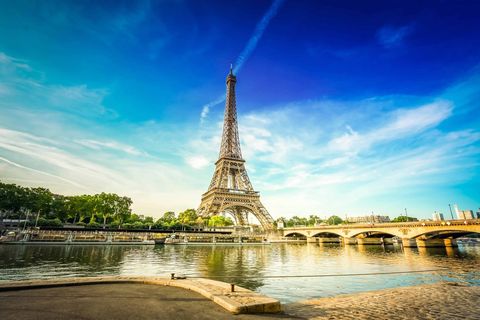
Paris’ most iconic landmark offers a spectacular view over the entire city. From the top you can see the Seine, Montmartre and the Champs-Élysées, and visiting it remains one of the great classics of France.
From world-famous landmarks to the small moments that make a journey unforgettable.
France brings together vibrant cities, remarkable history, vineyards, mountains, villages and some of Europe’s most beautiful coastlines. This guide presents 100 experiences to help you discover new destinations and create a trip around your own interests.
Here you’ll find everything from the Eiffel Tower and Mont-Saint-Michel to the D-Day beaches of Normandy, the Yellow Train in the Pyrenees and small villages in Provence. Each experience lists the best time to go, roughly how long you need and links on to our guide to the place.
Choose a travel style below to filter the list and the map, or browse the ten categories. Combine a couple of the big classics with smaller places – that mix often gives a trip the most character.
Some experiences are best booked well in advance – the Eiffel Tower, the Louvre, Versailles and Mont-Saint-Michel in high season – while others are free and just as good on a spontaneous afternoon. Where you can book tickets or guided tours, the card has its own button for it.
Start with a classic or choose a travel style to display experiences that match your holiday. The filters update both the list and the map without taking you away from the page.
Choose one category. You can return to all experiences at any time.

From iconic landmarks and grand boulevards to canals, waterfront promenades and historic quarters, France’s cities offer some of the country’s most memorable experiences.

Paris’ most iconic landmark offers a spectacular view over the entire city. From the top you can see the Seine, Montmartre and the Champs-Élysées, and visiting it remains one of the great classics of France.

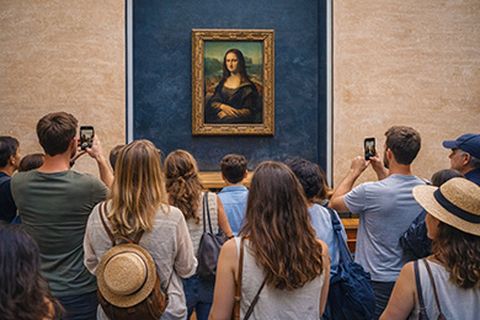
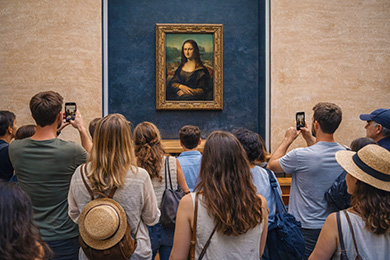
The Louvre is the world’s largest art museum and contains everything from Egyptian treasures to Renaissance masterpieces. Here you can see the Mona Lisa, the Venus de Milo and the Winged Victory of Samothrace.

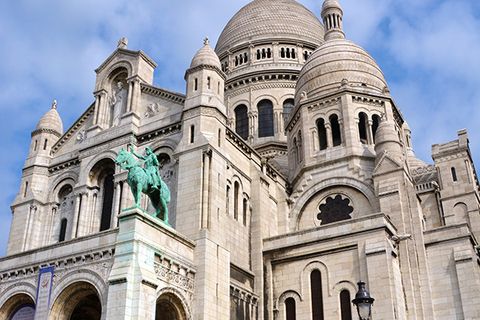
Montmartre is one of the most charming areas of Paris, known for cobbled streets, small cafés, artists and the Sacré-Cœur basilica. You can still sense the neighbourhood’s bohemian heritage here.

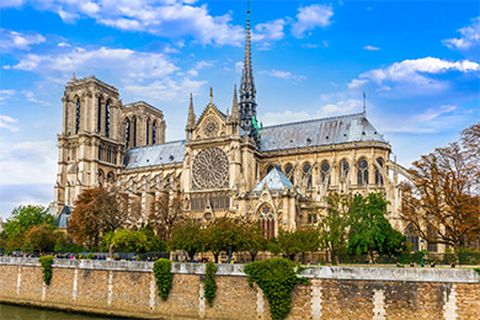
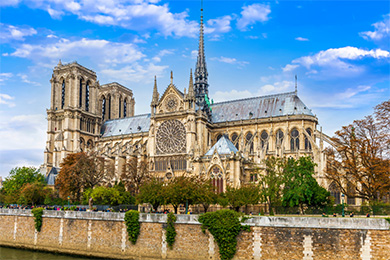
Notre-Dame is one of the world’s most famous Gothic cathedrals and one of Paris’ most important historic symbols. A visit offers insight into medieval architecture, restoration work and the city’s long history.

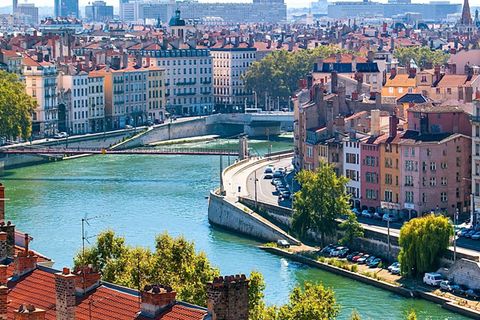
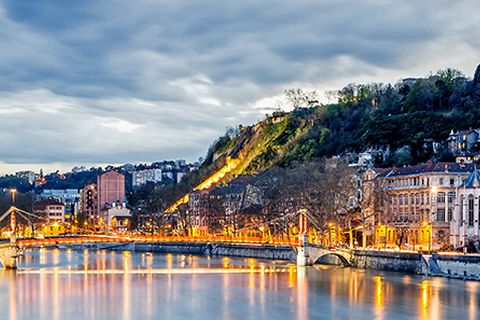
Vieux Lyon is one of Europe’s best-preserved Renaissance districts. Wander through narrow streets, discover hidden traboules and finish with classic Lyonnais food in a traditional bouchon.

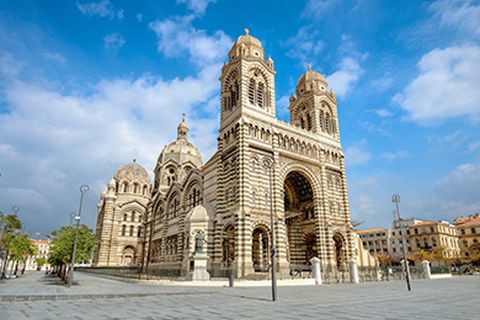
The Vieux-Port is the heart of Marseille, with fishing boats, sailing boats, market life and lively restaurants along the waterfront. It is a natural starting point for discovering the city and the coast around it.

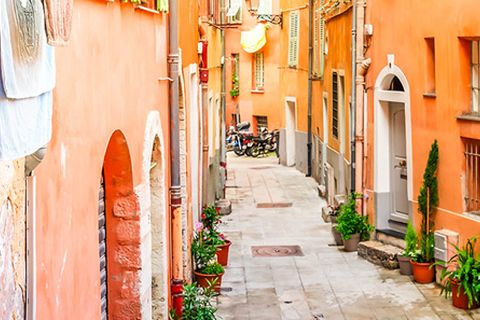
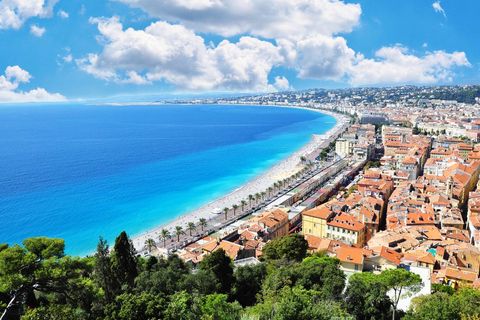
Nice’s famous seafront promenade follows the Mediterranean with palm trees, beaches and views of the turquoise sea. It is especially beautiful at sunset.
Read more: Nice

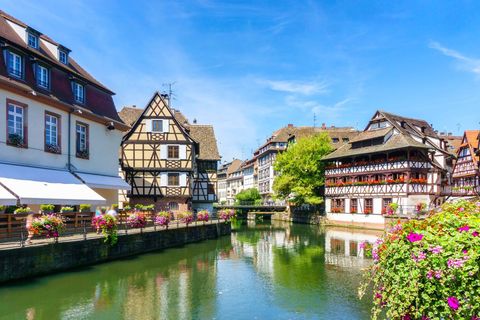
Strasbourg is known for its canals and the old quarter of La Petite France, where half-timbered houses reflect in the water. A walk or boat trip clearly reveals the blend of French and German culture.

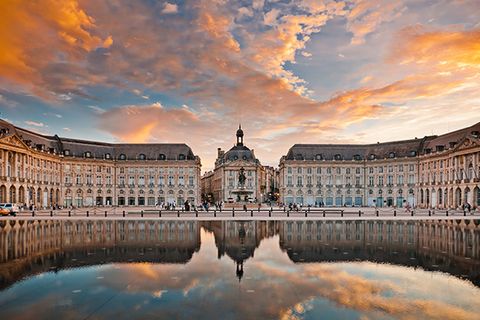
Bordeaux is an elegant city on the Garonne with beautiful squares, broad boulevards and easy access to some of the world’s most famous wine regions. La Cité du Vin is an obvious highlight.

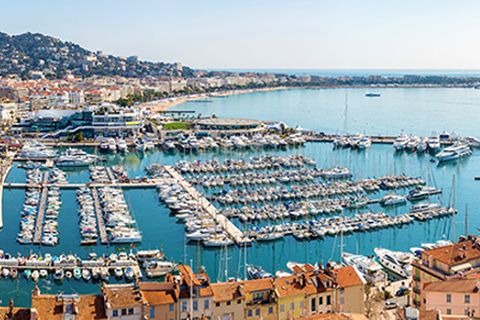
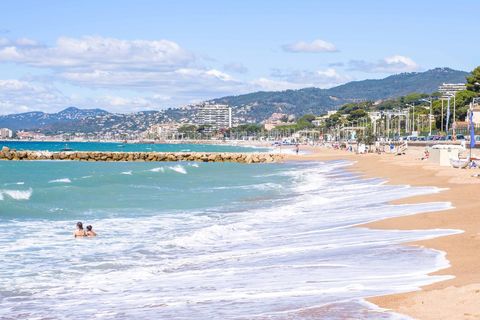
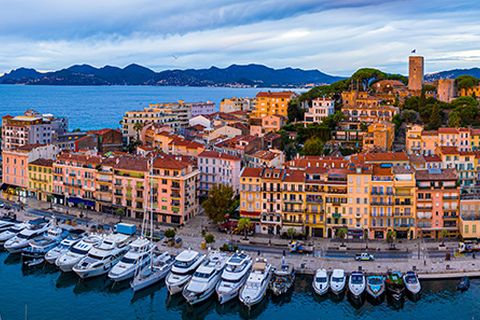
Cannes combines beach life, luxury and history. Stroll along La Croisette, see the Palais des Festivals and head up to the old quarter of Le Suquet for views over the bay.
Read more: Cannes – glamour and beaches

Across France, history remains vividly present in abbeys, fortresses, Roman monuments and medieval streets.

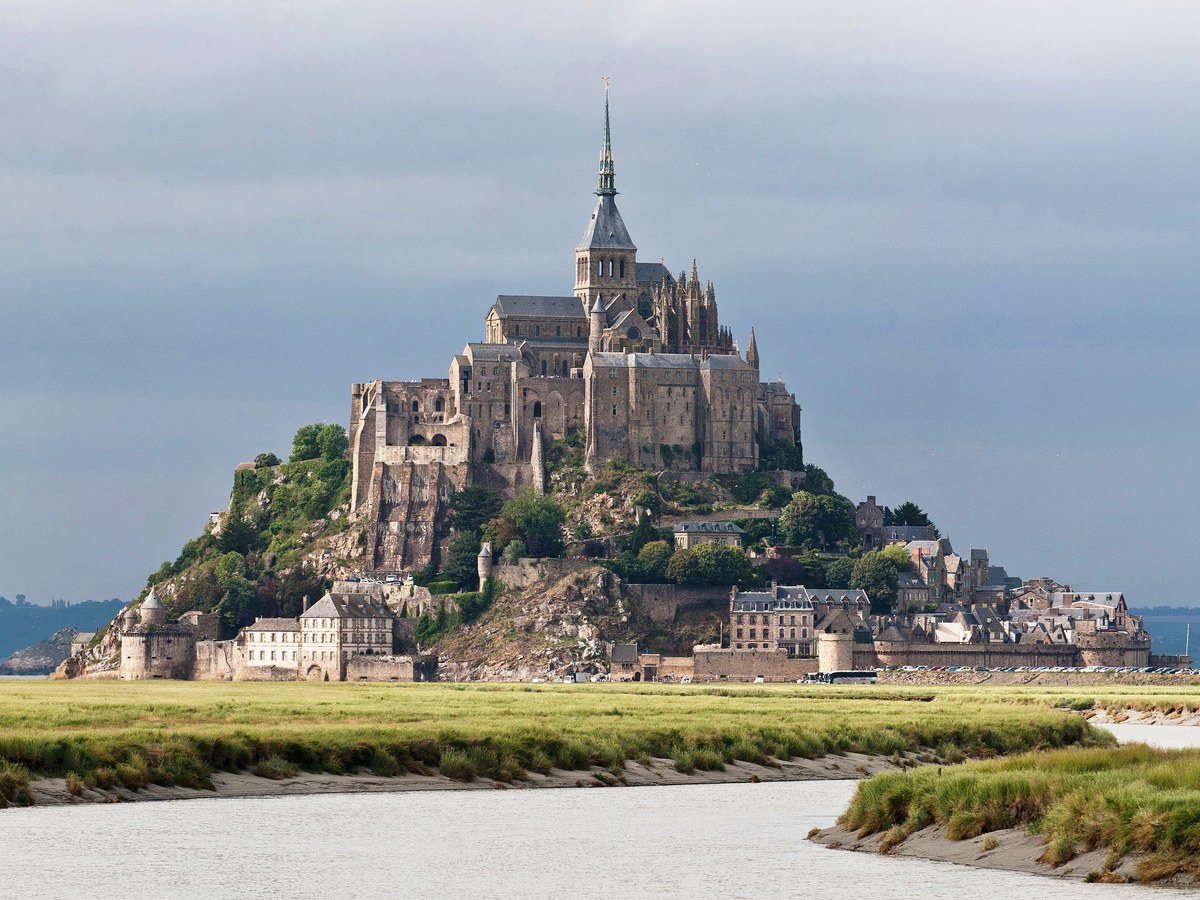
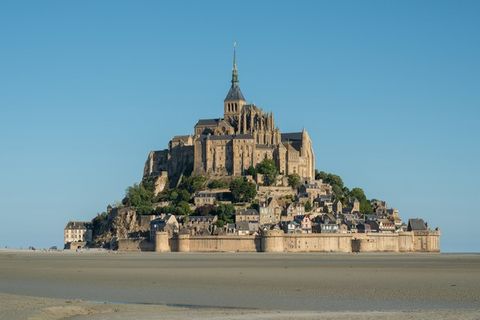
Mont-Saint-Michel is one of France’s most iconic landmarks and is listed as a UNESCO World Heritage Site. This tidal abbey island feels like a direct leap back into the Middle Ages.

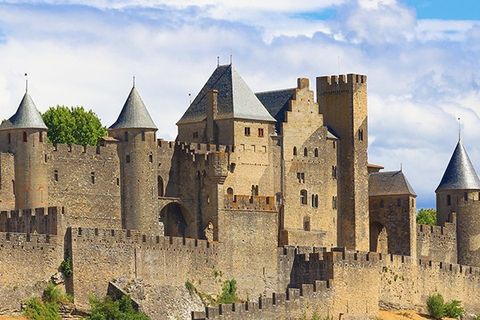
Carcassonne is one of Europe’s best-preserved medieval cities, with double ramparts, towers, narrow streets and an almost fairy-tale atmosphere inside the walls.

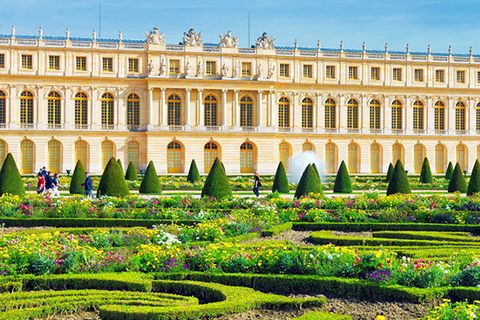
The Palace of Versailles is one of the world’s most impressive royal residences and a symbol of the glory of the French monarchy. Magnificent halls and vast gardens make the visit unforgettable.

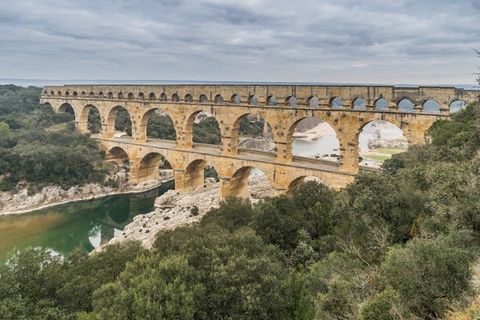
Pont du Gard is an impressive Roman aqueduct from the 1st century and one of the best-preserved Roman structures in the world. The setting by the Gardon River makes the visit even more rewarding.

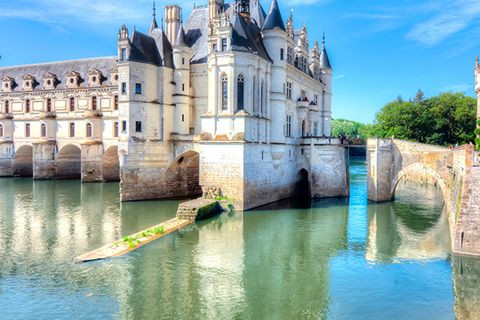
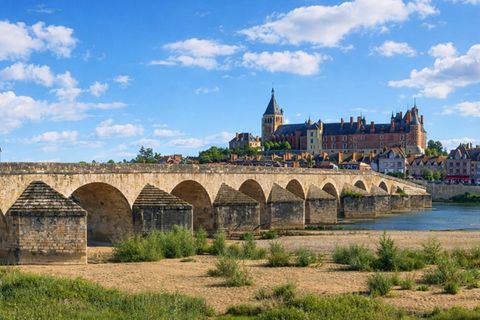
The Loire Valley is known as France’s valley of castles. Estates such as Chambord, Chenonceau and Amboise offer architecture, gardens and a romantic journey through French history.

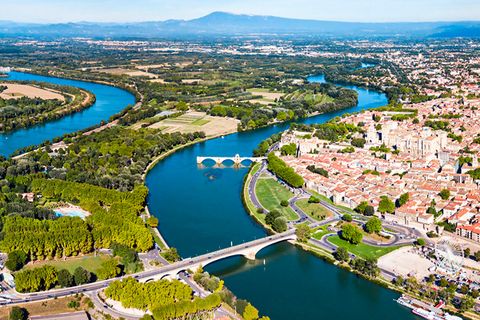
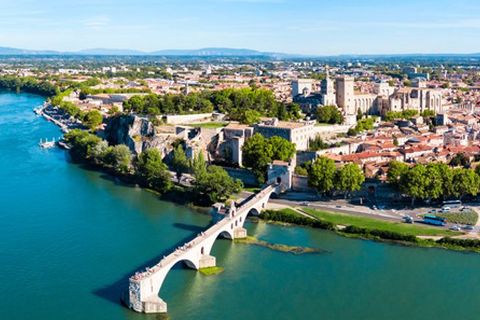
Avignon is known for the Palais des Papes, medieval ramparts and the famous Pont d’Avignon. The city combines grand history with lively southern French urban life.

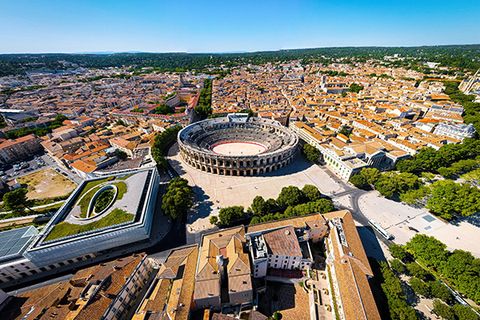
The Arènes de Nîmes is one of the world’s best-preserved Roman amphitheatres. It is still used for events and offers fascinating insight into Roman engineering.
Read more: The history of France

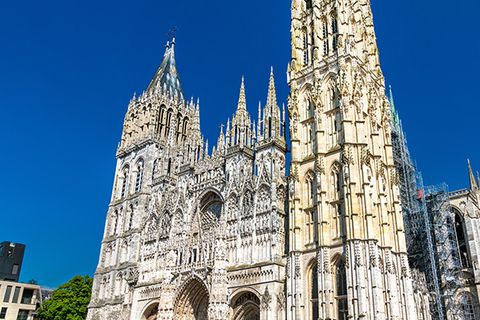
Rouen is known for Gothic architecture, half-timbered houses and the story of Joan of Arc. Its cathedral and historic squares make it one of Normandy’s most fascinating cities.

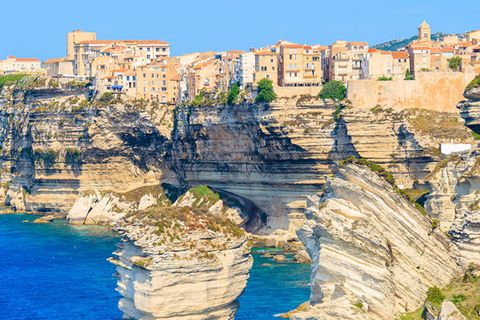
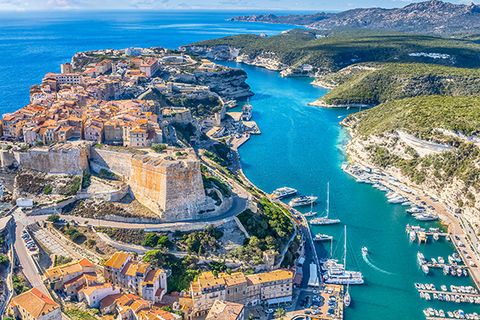
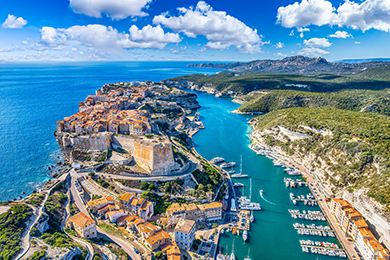
Bonifacio sits dramatically on high white limestone cliffs in southern Corsica. The old town, the citadel and the famous staircase carved into the rock make this place truly special.

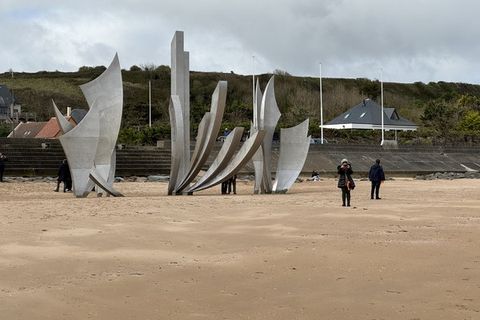
Omaha Beach, Pointe du Hoc and the American Cemetery at Colleville tell the story of the landings on 6 June 1944. With Bayeux as your base you can cover the beaches, museums and memorials in a day.
Read more: Normandy

Food and wine are not an extra part of a French holiday – they are often the journey itself. The experience lies as much in the glass and on the plate as in the surrounding landscape.

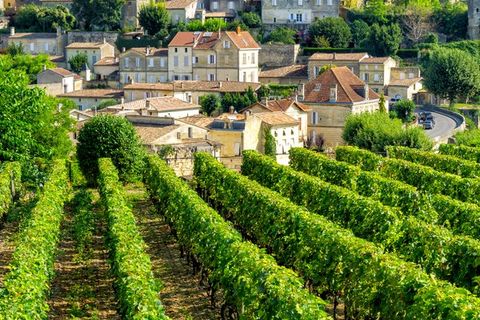
Bordeaux is one of the world’s most famous wine regions and a paradise for wine lovers. Visit châteaux, walk through the vineyards and taste classic reds directly at the source.

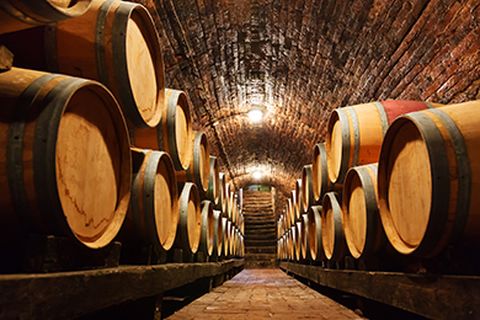
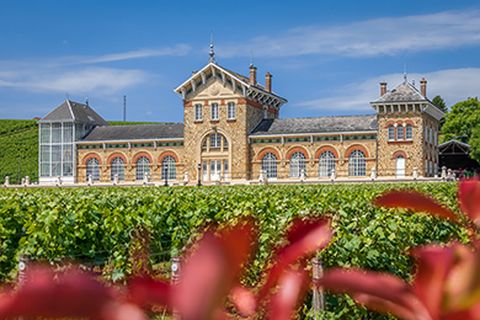
Beneath Reims lie kilometres of historic cellars where champagne is stored and aged. Guided tours combine production history with tastings.

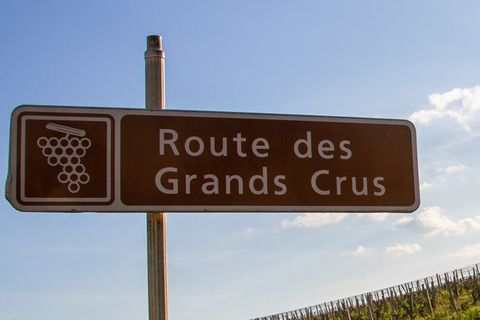
Along the Route des Grands Crus you can visit wine estates, small villages and vineyards producing some of the world’s most prestigious Pinot Noir and Chardonnay wines.

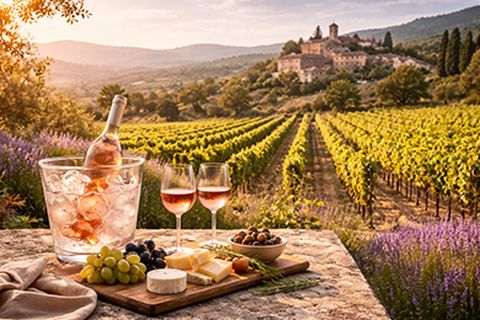
Provence is the world’s best-known rosé region. Many estates offer tours and tastings among lavender, olive trees and Mediterranean sunshine.

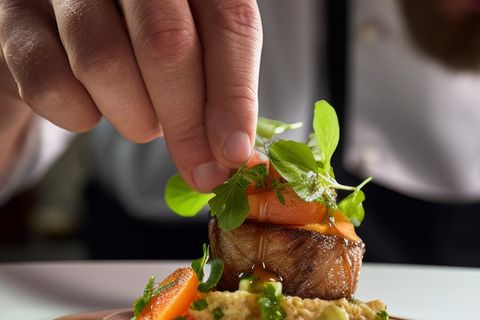
Paris is one of the world’s great gastronomic capitals. Dinner at a Michelin-starred restaurant is an experience where ingredients, technique and atmosphere come together at the highest level.

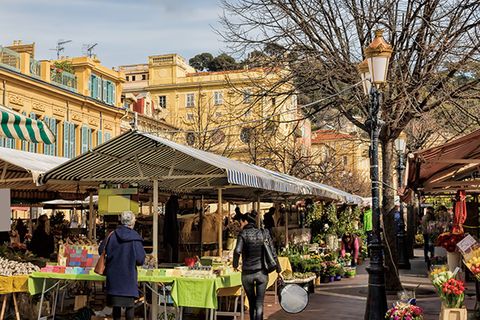
Cours Saleya in Nice’s old town is full of flowers, fruit, vegetables, olives and local specialities. It is the perfect place to experience everyday life in southern France.
Read more: Markets in France

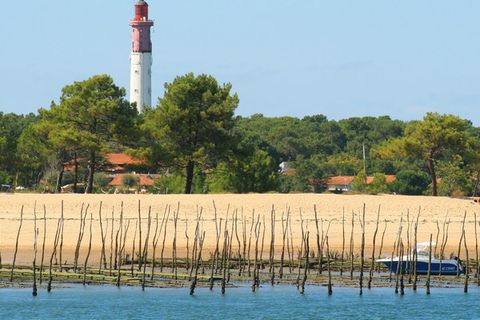
Arcachon and Cap Ferret are known for oyster bars serving the day’s catch straight from the sea. It is a simple, authentic and very French coastal experience.

Lyon is regarded as the gastronomic capital of France. Bouchons, food halls and modern restaurants make the city a highlight for anyone travelling with appetite in mind.

Saint-Émilion combines UNESCO-protected village charm with prestigious wine estates. Cobblestone lanes, underground churches and tastings make it a classic.

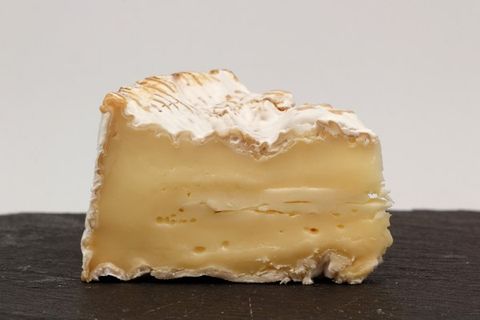
Normandy is known for Camembert, Livarot and Pont-l’Évêque. Farm visits and small producers let you taste the region’s strong agricultural traditions.

Mountains, gorges, cable cars, walking routes and national parks make France one of Europe’s most varied destinations for active outdoor experiences.

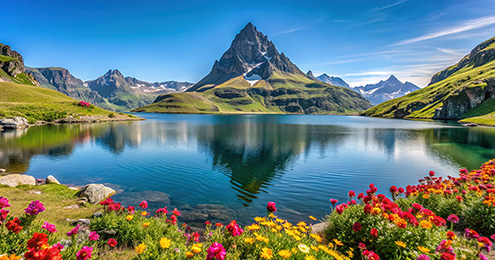
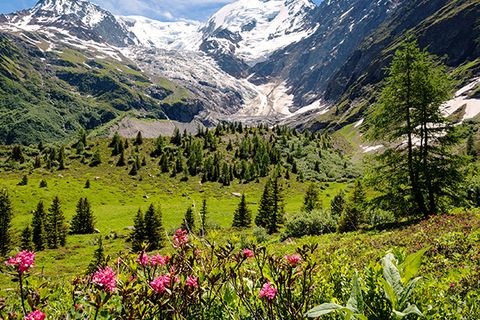
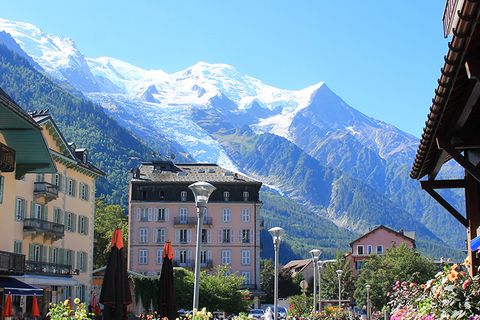
Mont Blanc rises majestically above Chamonix and is one of Europe’s great natural icons. The Aiguille du Midi cable car provides one of the most impressive views in the Alps.

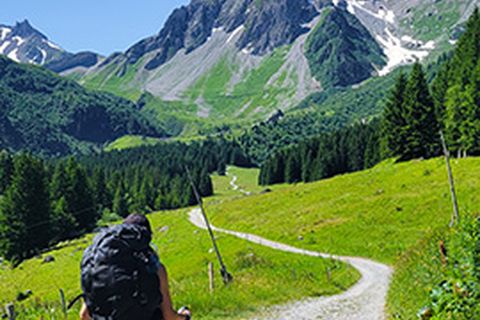
The Tour du Mont Blanc is one of Europe’s most spectacular multi-day hikes. The route crosses France, Italy and Switzerland and offers glaciers, valleys and mountain passes.

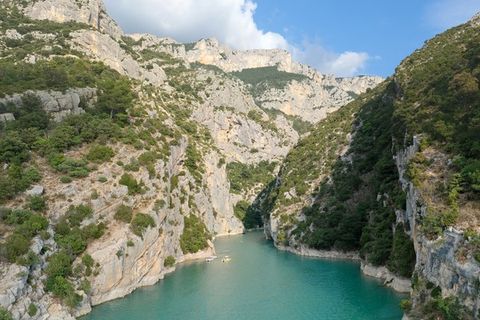
Verdon Gorge is one of Europe’s most spectacular canyons. A kayak or pedal boat from Lac de Sainte-Croix offers a close and unforgettable encounter with its turquoise waters.

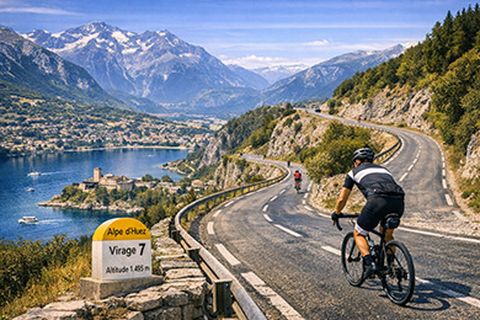
The 21 hairpin bends up to Alpe d’Huez are legendary for anyone who follows the Tour de France. At the top, both the view and the sense of achievement await.
Read more: Tour de France

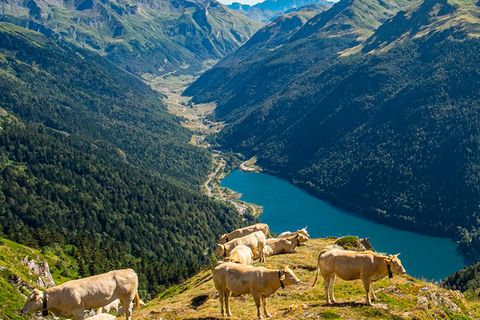
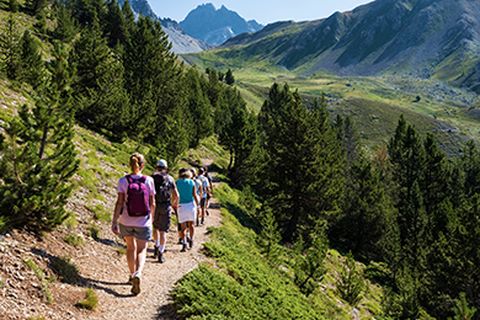
The Pyrenees offer high peaks, deep valleys, waterfalls, mountain villages and classic passes. The region is ideal for hiking, cycling and mountain holidays.
Read more: The French Pyrenees

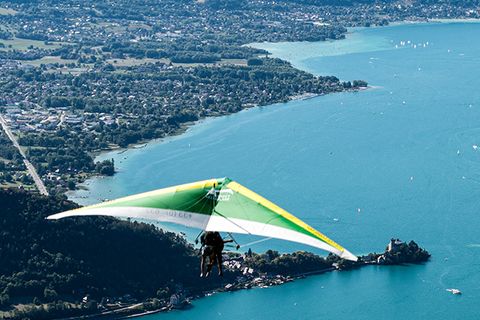
From the mountains around Annecy you can glide above turquoise water and enjoy panoramic views of the lake, the old town and alpine peaks. Tandem flights make the experience accessible to almost everyone.
Read more: Hang Gliding

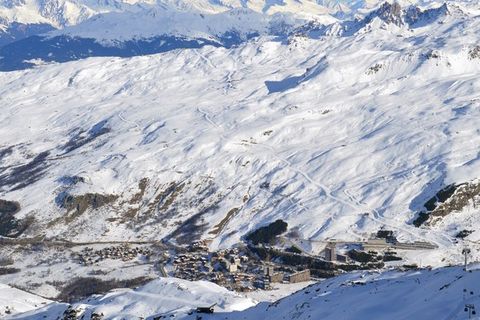
Courchevel, Méribel and Val Thorens are linked in the world’s largest connected ski area, with around 600 km of pistes. You can ski from valley to valley for a whole week without repeating a run.

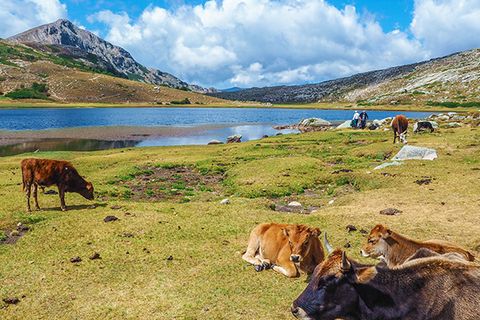
Corsica is far more than beaches. In the island’s interior you will find dramatic mountains, deep valleys and small villages that make it a paradise for nature lovers.
Read more: One week in Corsica

The GR20 is regarded as one of Europe’s most demanding and spectacular long-distance hikes. The trail crosses Corsica north to south through rugged mountain terrain.
Read more: Walking in France

Mercantour offers alpine meadows, lakes, wildlife and rock carvings in the Vallée des Merveilles. What makes it special is its closeness to Nice and the Mediterranean.
Read more: France’s 11 national parks

France’s coastline stretches from the glittering Riviera to Atlantic surf beaches and the dramatic cliffs of Corsica.

The Côte d’Azur is one of Europe’s most famous stretches of coastline, with elegant resort towns, hidden coves and a blend of luxury and relaxed Mediterranean atmosphere.

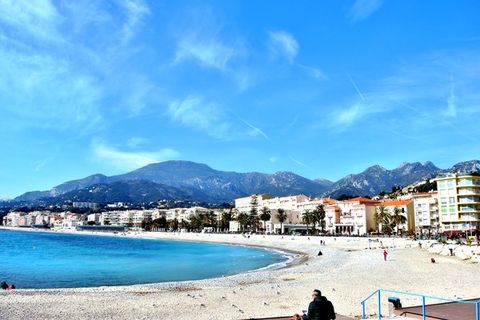
The beaches in Nice lie right beside the Promenade des Anglais and offer lovely views of both the sea and the city. Here you can move easily between swimming, urban life and restaurant visits.
Read more: Nice

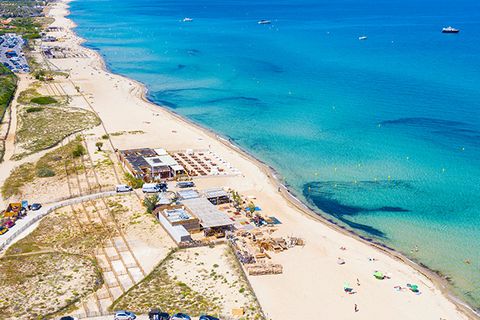
Pampelonne Beach and other beaches around Saint-Tropez combine crystal-clear water, beach clubs and classic Riviera summer atmosphere.

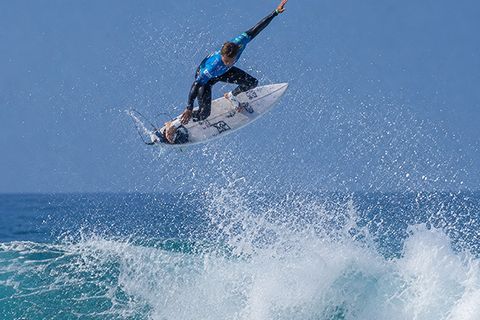
Biarritz is regarded as the cradle of European surfing, with waves for both beginners and experienced surfers. The town combines surf culture, elegant architecture and Atlantic atmosphere.

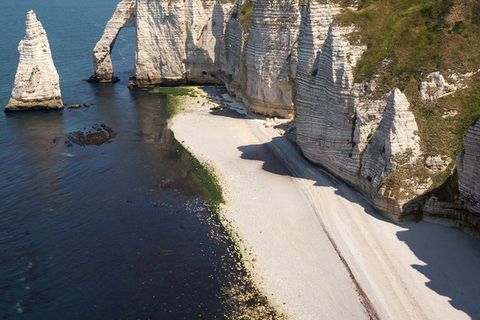
The dramatic chalk cliffs of Étretat are among France’s best-known natural formations. The paths above them offer views that have inspired artists for generations.

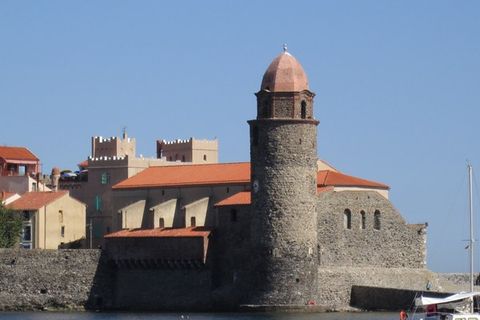
Collioure sits where the Pyrenees meet the Mediterranean, with a royal castle on the water, colourful houses and the harbour that inspired Matisse and the Fauves to paint in bold colours. The coastal path on towards Banyuls is one of the loveliest in southern France.

Porquerolles is a bike-friendly Mediterranean island with white beaches, green trails and a calm island mood. It is perfect for a day trip from Hyères.

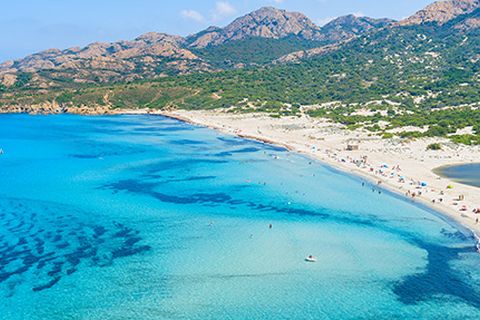
Calvi combines a long sandy beach, clear water, mountains in the background and a historic citadel that gives the entire bay a dramatic setting.
Read more: The beaches of Corsica

From the water you may get the very best view of Bonifacio’s white cliffs, caves and historic town, which seems to hang above the sea.

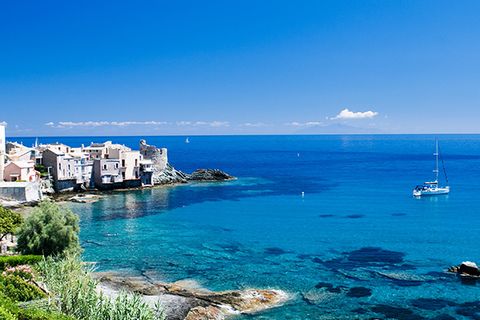
Cap Corse offers coastal roads, watchtowers, small fishing villages and sea views that make it one of the most distinctive parts of Corsica.
Read more: Cap Corse guide

In many parts of France, the landscape is the main attraction – from birdlife and lavender to dunes, volcanoes, gorges and high mountains.

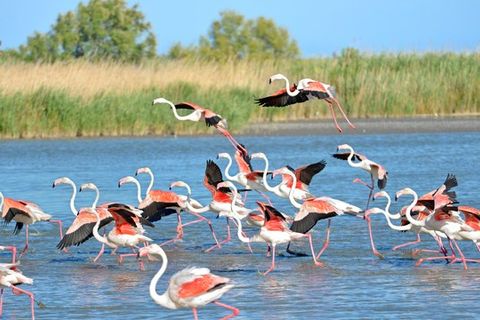
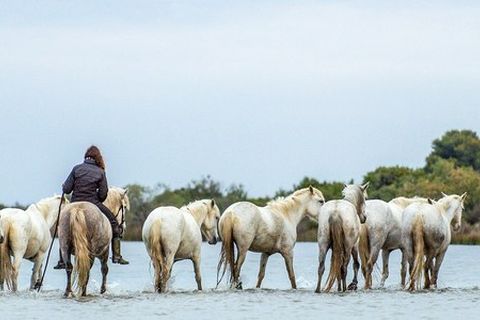
The Camargue is a distinctive delta region known for pink flamingos, white horses and broad wetlands. It is a very different side of southern France from the Riviera.
Read more: Camargue

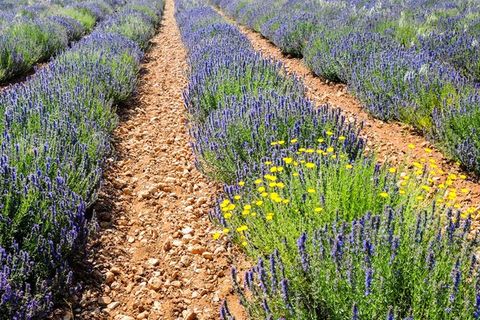
When the lavender blooms in summer, parts of Provence turn into a purple sea. The areas around Valensole and Sault are among the most photogenic: the former from late June to mid-July, the latter in the first half of July (true lavender) and from mid-July to mid-August (lavandin).

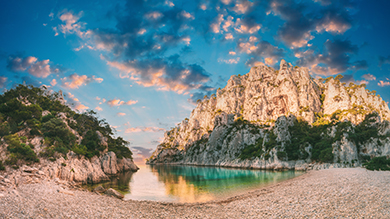
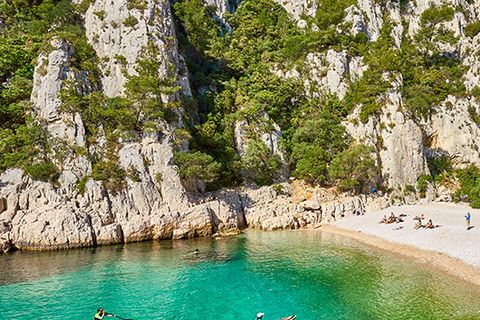
Between Marseille and Cassis lie limestone cliffs, turquoise inlets and coastal trails that make the Calanques one of France’s most spectacular natural areas.

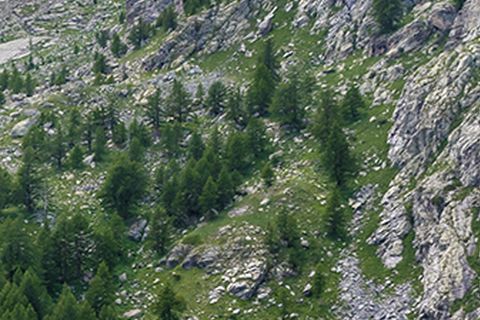
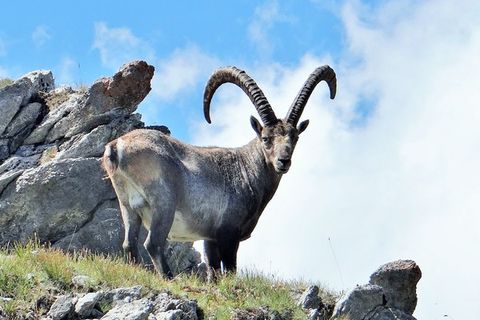
Vanoise offers high-alpine trails, lakes, ibex and classic mountain refuges. This is the kind of high mountain scenery many people imagine when they think of the Alps.

In Mercantour you will find one of France’s most fascinating mountain regions, with prehistoric rock carvings, lakes and dramatic mountain shapes.
Read more: Walking in France

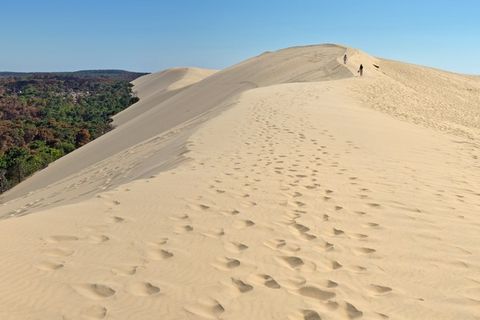
Europe’s highest sand dune rises by Arcachon Bay. From the top you can look out over the Atlantic on one side and the Landes de Gascogne forest on the other.

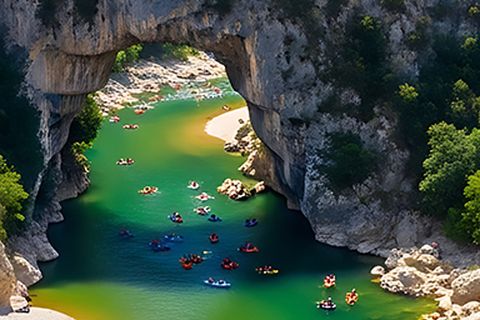
Ardèche is known for caves, cave art and the natural bridge of Pont d’Arc. It is a region perfectly suited to combining nature, history and adventure.

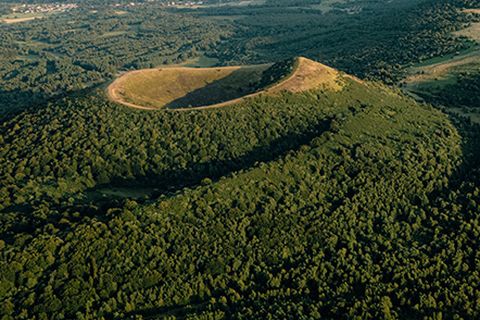
The Chaîne des Puys in Auvergne shows a very different side of France, with green peaks, extinct volcanoes and broad views across rolling landscapes.

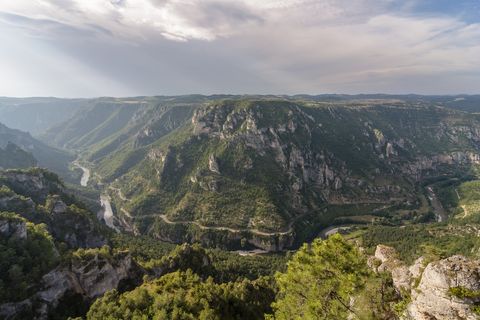
Gorges du Tarn is a beautiful canyon with limestone walls, a winding river, villages and roads that pass through one of southern France’s most dramatic landscapes.

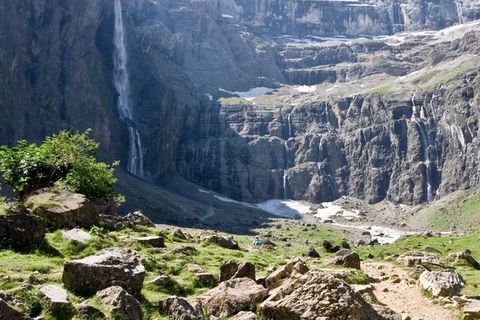
This vast mountain amphitheatre is part of the Pyrénées–Mont Perdu UNESCO site, with sheer rock walls and the Grande Cascade, one of the highest waterfalls in Europe. The path in from Gavarnie village suits most walkers.
Read more: Cirque de Gavarnie

For travellers who want to do more than simply look, France offers cycling, skiing, diving, horse riding and countless ways to get active in remarkable surroundings.
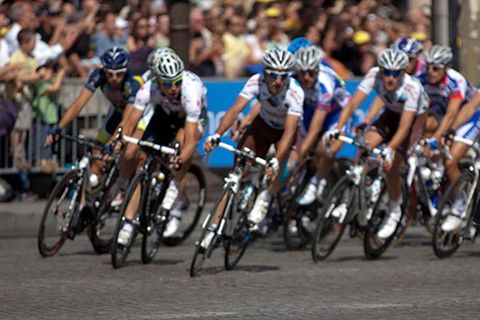
Standing right beside the road as the world’s best cyclists climb legendary mountains is a sporting experience that is hard to match anywhere else.
Read more: Tour de France

France is a paradise for road cyclists, with classics such as Col du Galibier, Col du Tourmalet and many lesser-known but equally beautiful climbs.

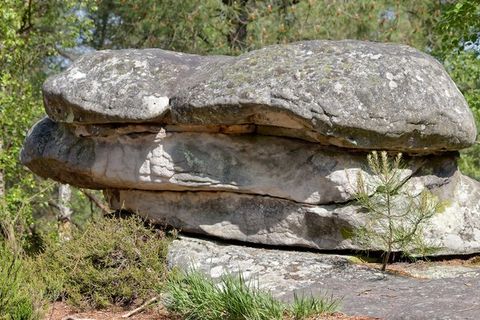
The forest south of Paris is the world’s most famous bouldering area, with thousands of sandstone blocks marked with coloured circuits for every level. All you need is climbing shoes and a crash pad – and the paths are just as good for an ordinary woodland walk.

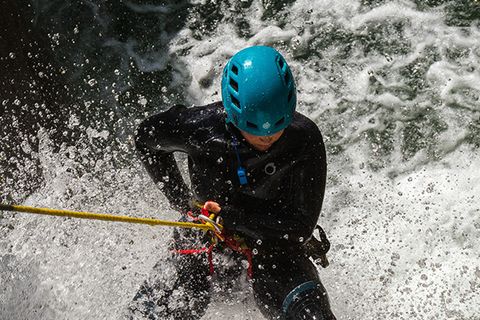
For a more unusual mountain activity, join a canyoning trip in the Pyrenees, where waterfalls, gorges and natural pools combine action with nature.
Read more: Canyoning

The Ubaye in the southern French Alps is known for rafting and river adventures in beautiful surroundings. It is a great activity for anyone who wants speed and scenery at the same time.
Read more: Canoeing in France

In Chamonix you can ride the historic mountain train to Mer de Glace and experience glacier scenery without having to hike far first. It is a major nature experience with a low threshold.

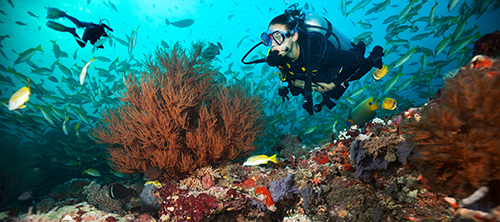
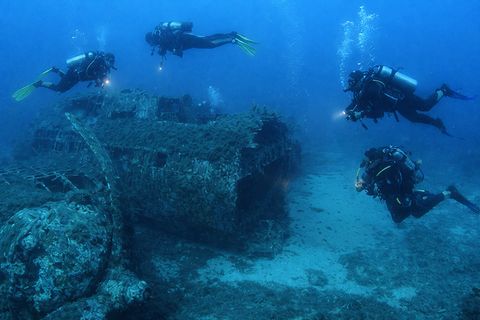
Calvi is one of the best places in France for diving in clear Mediterranean water. The area offers cliffs, caves and rich marine life.

Riding through Provence is a calm and beautiful way to experience the landscape, whether among olive trees, lavender or the wetlands of the Camargue.

Bike parks and mountain trails around places such as Morzine, Les Gets and Chamonix make the French Alps a major highlight for mountain bikers.

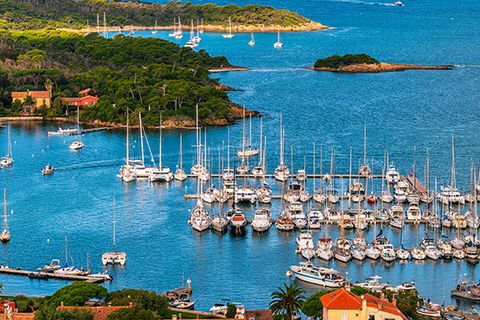
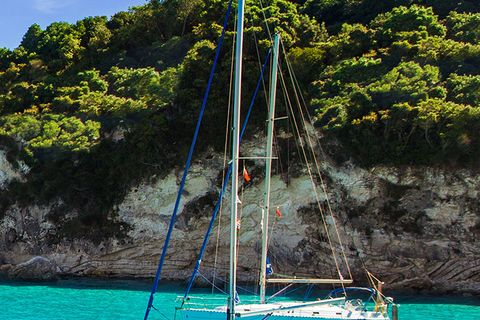
A sailing trip along the Mediterranean combines relaxation, adventure, small harbours and hidden coves in a way that shows southern France at its very best.

France is as much about festivals, art, markets and living traditions as it is about monuments and museums.

During the film festival, Cannes fills with premieres, celebrities and a distinctive energy. Even without a ticket, you feel the city turn into a global centre of cinema.
Read more: Cannes – glamour and beaches

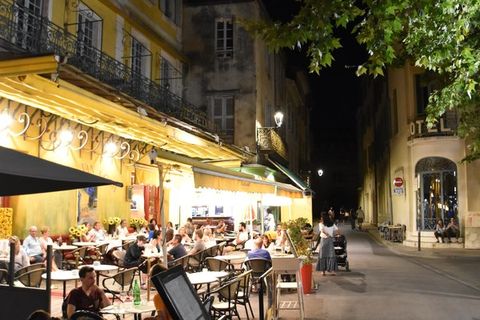
Arles combines Roman monuments, Van Gogh history and a vibrant art scene. The city is compact enough to explore on foot, yet rich enough to fill several days.
Read more: Great Artists in France

Lascaux IV recreates the world’s most famous cave paintings at full scale, and in the valley around Les Eyzies you can still enter real caves with images more than 15,000 years old. The valley is a UNESCO World Heritage Site.
Read more: Vézère valley

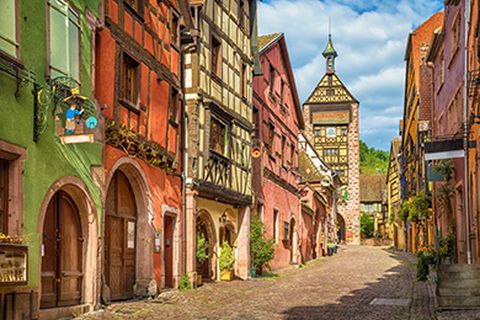
Riquewihr, Eguisheim and other villages in Alsace feel almost storybook-like, with half-timbered houses, flowers and vineyards all around.
Read more: Alsace

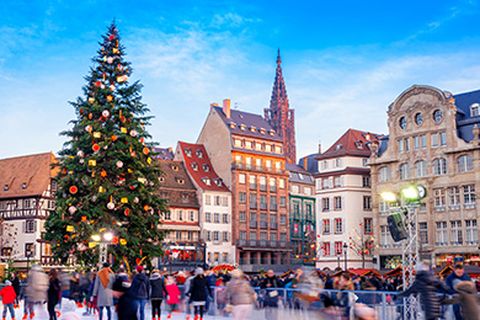
When the centre of Strasbourg fills with lights, fir trees and market stalls, the city becomes one of Europe’s most atmospheric Christmas experiences.

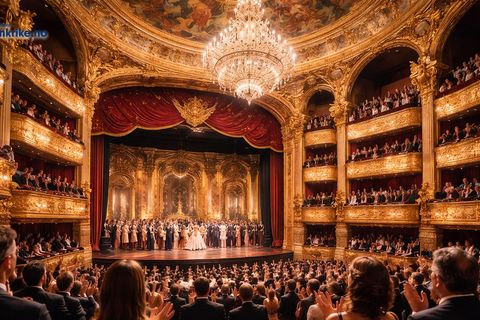
Palais Garnier and Opéra Bastille give you the chance to enjoy both music and magnificent architecture in a single evening.

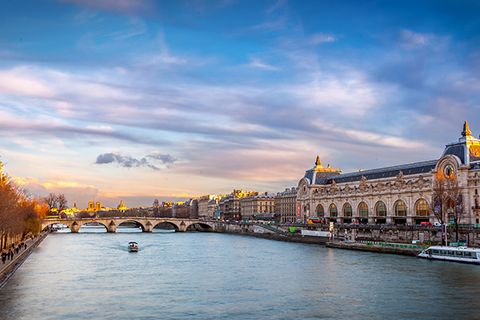
Paris offers everything from the Louvre and Musée d’Orsay to the Centre Pompidou. In a single day you can move from ancient masterpieces to Impressionists and modern art.

Markets in Aix-en-Provence, Arles and Saint-Rémy are full of produce, textiles, spices and local atmosphere. This is southern France in practice.
Read more: Markets in France

From the theatre festival in Avignon to the carnival in Nice and photography events in Arles, southern France is packed with events marked by strong local identity.
Read more: Special events in France

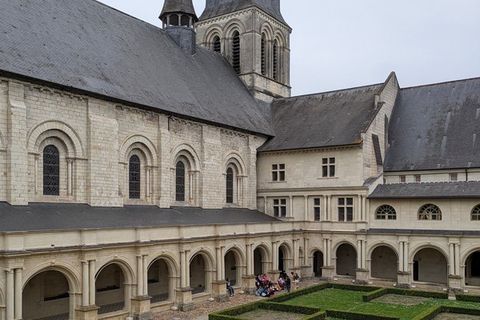
Fontevraud is one of Europe’s largest surviving medieval abbeys and the burial place of Richard the Lionheart and Eleanor of Aquitaine. The abbey church, the kitchen tower and the gardens are a short drive from Saumur and the Loire châteaux.

Some experiences are not major sights at all, yet they capture the feeling of being completely present in France.

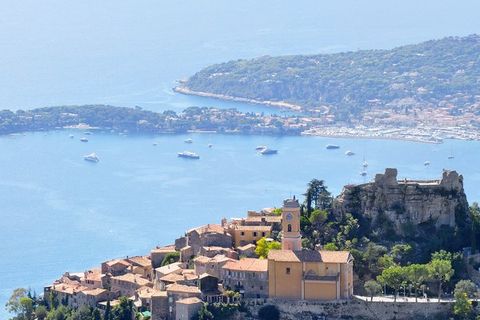
Drive between Nice, Èze, Cannes and smaller coastal towns to experience classic Mediterranean atmosphere from the road – with sea views almost the entire time.

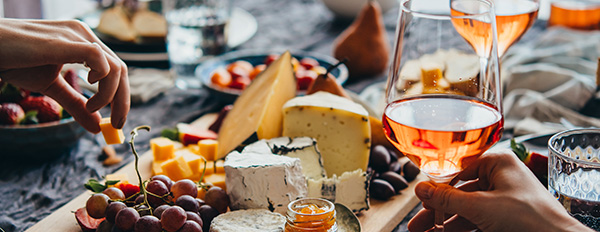
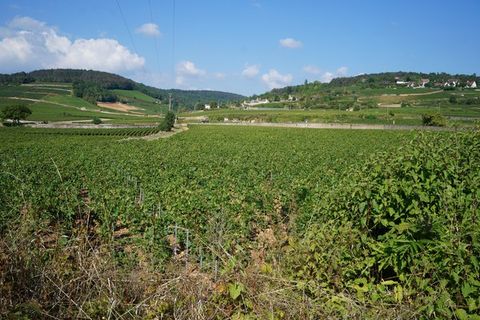
A baguette, cheese, fruit and a glass of wine among the vines is a simple yet deeply French experience. It is perfect in Burgundy, Bordeaux or Provence.
Read more: Wine in France

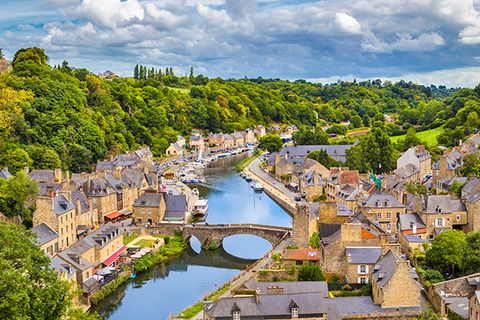
Small harbours with fishing boats, stone houses and seafood restaurants reveal a calmer, more maritime side of France than the Mediterranean coast.
Read more: Finistère

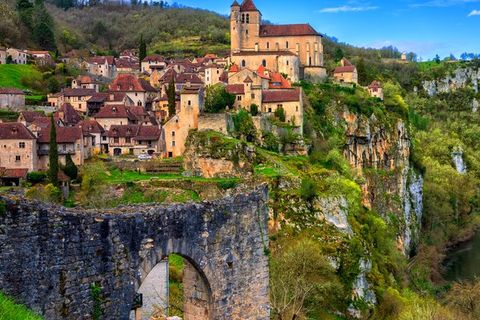
Villages such as Rocamadour, Saint-Cirq-Lapopie and Gordes make you feel that history is still alive in the landscape around you.
Read more: Rocamadour

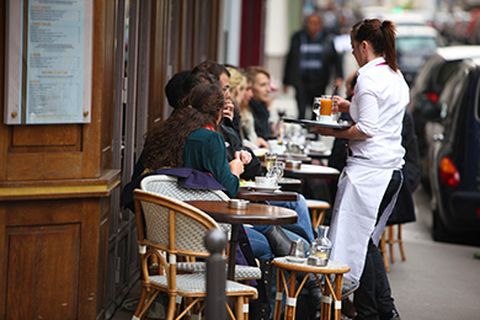
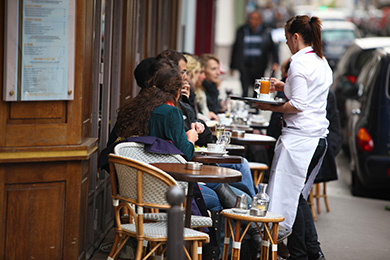
It is a simple experience, but also one of the most classic. A terrace, a freshly baked croissant and the rhythm of the morning in a town or village sum up much of the French way of life.

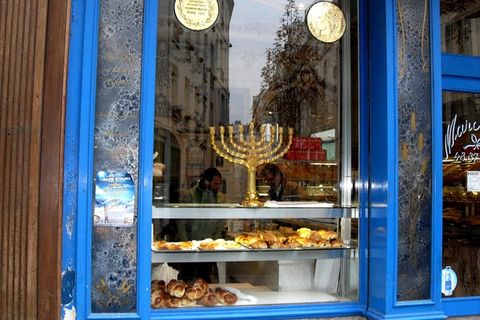
In a good boulangerie you will find far more than baguettes. It is often one of the best places to feel everyday France.

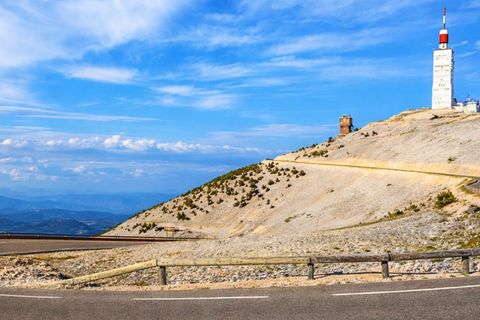
When the mountain peaks turn pink and gold in the morning sun, you get one of the most atmospheric nature experiences France can offer.

Sunset over the sea in Nice, Cannes or on a quieter beach in Provence is a simple experience that often becomes a lasting travel memory.
Read more: Nice

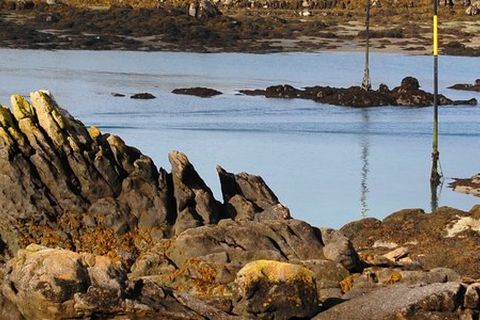
From Granville the boat takes less than an hour to Chausey, an archipelago where the tide reveals and hides hundreds of islets twice a day. The main island has beaches, a small lighthouse and no cars.

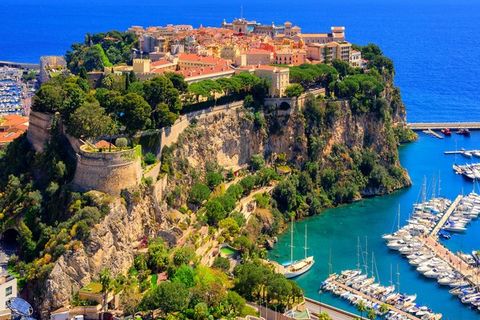
From Nice or Menton, Monaco is a short train or bus ride away. Climb up to the Prince’s Palace on the rock, see the Oceanographic Museum and the Casino de Monte-Carlo, and walk the Grand Prix circuit along the harbour.

From Disneyland and the Vimy Memorial to the Yellow Train in the Pyrenees: ten experiences that don’t fit neatly into one box, but any of which could be the highlight of your trip.

From macarons and crème brûlée to regional specialities, French desserts are an important part of the food culture and an experience in their own right.

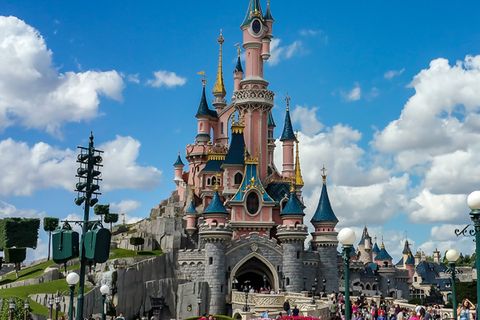
Europe’s most visited theme park is 40 minutes by RER from central Paris. Two parks, parades and evening shows make it a natural highlight of a family trip – and one or two overnight stays take the stress out of it.

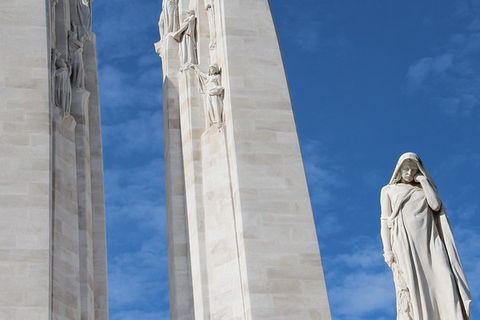
The white monument on Vimy Ridge and the preserved trenches in the surrounding park show how close the front lines were during the First World War. Together with Notre-Dame-de-Lorette and the Wellington Quarry in Arras, this is one of France’s most powerful places of remembrance.

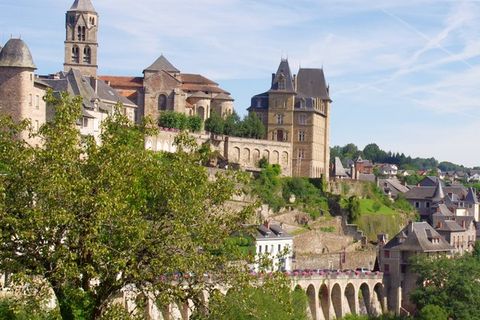
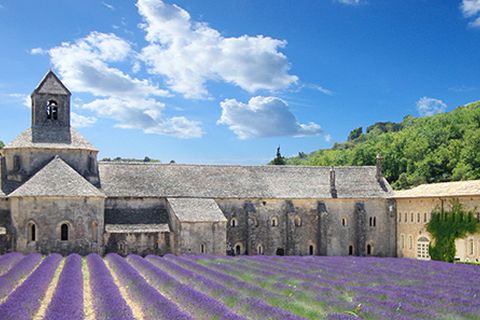
Abbeys such as Abbaye de Sénanque and other historic sites in the hills and valleys combine silence, history and beautiful surroundings.
Read more: The Luberon villages

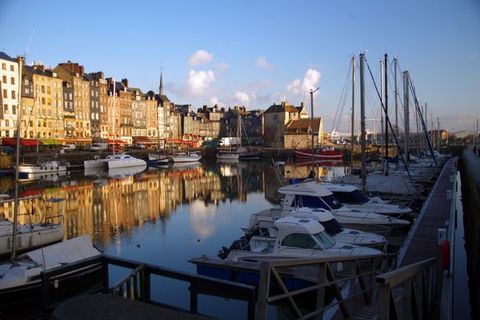
Honfleur, Collioure and smaller harbours in Brittany offer seafood, quays and the kind of calm coastal atmosphere that easily becomes a trip highlight.

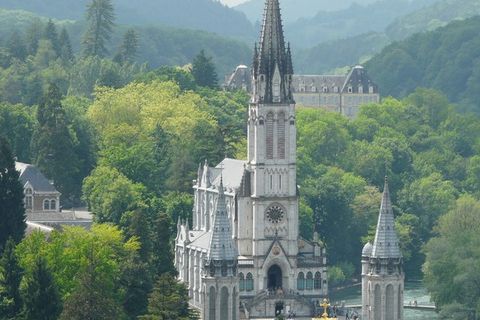
Millions of pilgrims come each year to the grotto and basilicas by the river Gave, and the evening candlelight procession is moving whatever your faith. Lourdes is also a good gateway to the Pyrenees, with the Pic du Jer and Gavarnie close by.
Read more: Lourdes

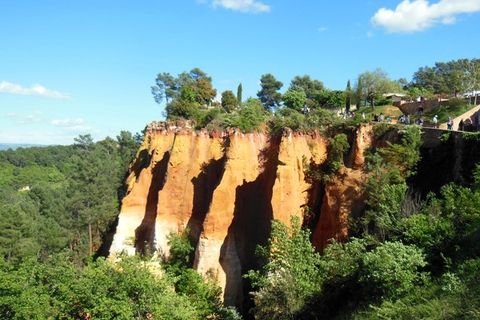
Gordes on its cliff, ochre-coloured Roussillon, Ménerbes and Lourmarin are close enough to see several in a day. Combine them with the spring at Fontaine-de-Vaucluse, a local market and lunch on a terrace overlooking the valley.

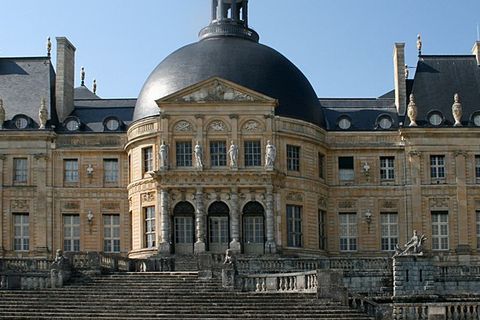
The château of Vaux-le-Vicomte was the model for Versailles, and on summer Saturday evenings it is lit by thousands of candles. Nearby lies the artists’ village of Barbizon, where painters moved out into the forest long before the Impressionists.

Loire à Vélo is 900 km of signposted cycle route along the river, mostly flat and car-free. The stretch between Blois, Amboise and Tours is perfect for a couple of days in the saddle, with châteaux, vineyards and overnight stops in small towns along the way.

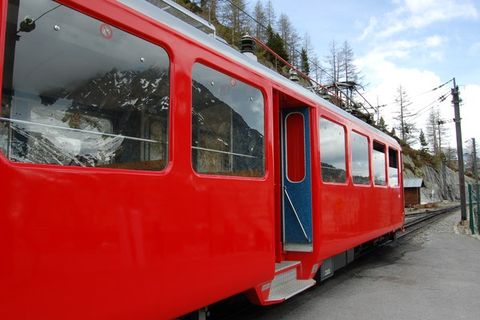
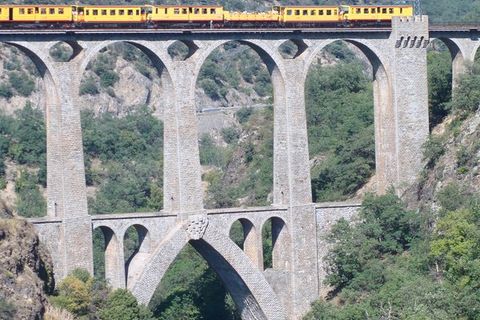
Le Train Jaune climbs from the fortified town of Villefranche-de-Conflent to more than 1,500 metres, across viaducts and a suspension bridge. In summer you ride in open carriages with fresh mountain air and views all the way.
Paris, the Loire Valley, Provence, markets and city breaks are especially appealing as the weather becomes milder and queues are often shorter.
The Riviera, Corsica, the Alps, lavender fields and coastal adventures deliver the classic French summer experience.
Bordeaux, Burgundy, Alsace, food experiences and wine routes are excellent choices as temperatures ease and autumn colours appear.
Paris, Strasbourg, Christmas markets, Chamonix and the Alps make France a rewarding winter destination, even beyond skiing.
A short break featuring the essential highlights.
A sun-filled week of coastline, city life and easy excursions.
A touring holiday for travellers who want to taste their way through France.
A longer journey combining cities, villages, wine, nature and coastlines.
A strong first itinerary might include Paris, the Eiffel Tower, the Louvre, Montmartre, Versailles, Mont-Saint-Michel, the Loire Valley, Provence, Nice and a traditional village or local market.
Mont Blanc, Verdon Gorge, Calanques National Park, Dune du Pilat, the Pyrenees, Mercantour, Vanoise and the mountains of Corsica are among the most varied.
Spring and early autumn suit towns, villages and markets, while the lavender fields are most closely associated with the summer months.
Beaches, villages, markets, boat trips, easy mountain walks, Loire châteaux, aquariums, parks and cities such as Nice, Annecy and Strasbourg often work well for families.
Yes. Paris, Lyon, Strasbourg, Bordeaux, Nice, Marseille, Avignon and many cities on the rail network are easy to visit without driving. A car is most useful for villages, wine regions and rural landscapes.
Promenades, markets, historic quarters, viewpoints, beaches, coastal paths, village squares and parks offer plenty of French atmosphere without an admission charge.
The best French holidays often combine one or two major highlights with smaller stops along the way. Choose the experiences that matter most to you, then shape the route around villages, markets, viewpoints and memorable meals.
Rail is an excellent option between cities such as Paris, Lyon, Bordeaux, Strasbourg, Marseille and Nice. A car provides greater freedom in Provence, Dordogne, the Loire Valley, the wine regions and Corsica.
You do not need to fit everything into one journey. Give each trip its own theme and pace – and save a few experiences for next time. Bon voyage!