
Many people know the names along the Route des Grands Crus from the wine list before they have ever been there. On the route they become villages, stone walls and vineyards packed closely together. The distances are short, so it pays to choose a few stops and take your time in each of them.
The route from Dijon to Santenay
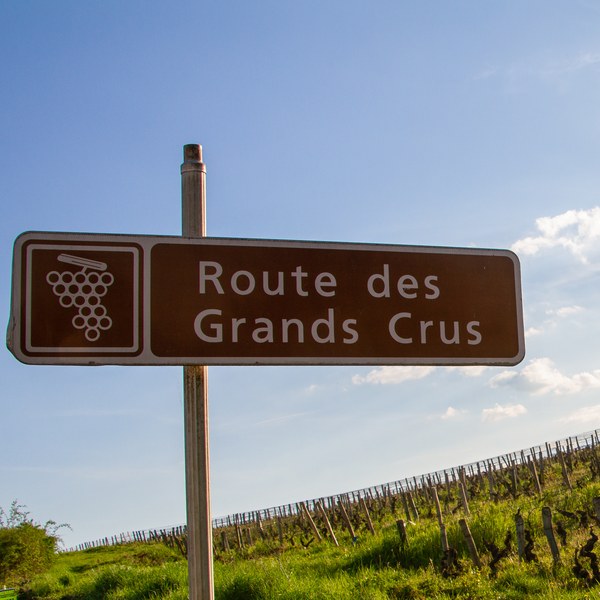
According to the Bourgogne-Franche-Comté tourist board, the Route des Grands Crus is 60 kilometres long, runs from Dijon to Santenay and passes 37 wine villages. It was created in 1937 and is described as the very first French wine route. The route is signposted with brown signs bearing the name “Route des Grands Crus”.
The northern part, the Côte de Nuits, runs from Dijon past Marsannay, Fixin, Gevrey-Chambertin, Morey-Saint-Denis, Chambolle-Musigny and Vougeot, among others, to Nuits-Saint-Georges. Here the wines are almost all red, made from Pinot Noir. The southern part, the Côte de Beaune, runs past Beaune and on through Pommard, Volnay, Meursault and Puligny-Montrachet to Santenay, where the route ends.
Burgundy has 33 grand cru appellations, and 24 of them are in the Côte de Nuits. So the route does not just run from Dijon to Beaune, as is often written – it continues a good way south of the town.
Gevrey-Chambertin – nine grands crus
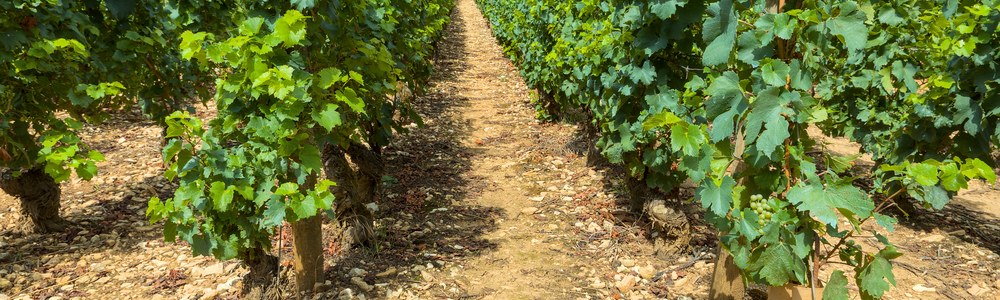
Gevrey-Chambertin lies in the Côte de Nuits, south of Dijon. It has nine grands crus, among them Chambertin and Chambertin-Clos de Bèze.
The village also has a Michelin-starred restaurant, La Table d’Hôtes at La Rôtisserie du Chambertin, and Bistrot Lucien at the same address has a Bib Gourmand. If you want to stay in the village, the Hôtel Les Deux Chèvres has five stars and La Rôtisserie du Chambertin four.
Vougeot and the Château du Clos de Vougeot
Clos de Vougeot began as a wine estate built in the 12th century by monks from the abbey of Cîteaux. The Cistercian cellar and the original kitchen have survived, and the Renaissance château was added in the 16th century. The vineyard around it covers almost 51 continuous hectares.
In 1945 the wine brotherhood Confrérie des Chevaliers du Tastevin bought the château and made it the brotherhood’s seat. Guided tours cost 15 euros per person and must be booked. According to the château’s website, there are tours in English at 11.30 and 15.30 and in French at 10.30 and 14.30. We have not been able to confirm the regular opening hours or the price for walking round on your own, so phone or check the website before you go.
Vosne-Romanée – the most famous names
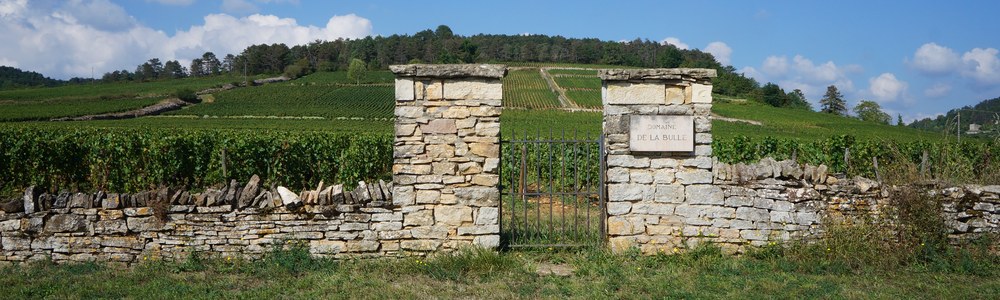
Vosne-Romanée has six red grands crus: Romanée-Conti, La Romanée, La Tâche, Richebourg, Romanée-Saint-Vivant and La Grande Rue. Échezeaux and Grands-Échezeaux lie in the neighbouring commune of Flagey-Échezeaux.
We have not checked which of the estates in Vosne welcome visitors, so do not count on getting in without an appointment. The village is a good base for the Côte de Nuits: the spa hotel Le Richebourg has four stars and is a few minutes’ drive from Clos de Vougeot.
Nuits-Saint-Georges
Nuits-Saint-Georges is the town that gave its name to the Côte de Nuits. The commune has no grand cru, but many premiers crus. The town has its own hospice with its own wine auction, the Hospices de Nuits, which in 2026 was held for the 65th time.
For cyclists Nuits-Saint-Georges is a natural stop: this is where the stage break on the Voie des Vignes falls, 25 kilometres from Dijon and 24 from Beaune.
Pommard and Volnay
Just south of Beaune lie Pommard and Volnay, two red wine villages in the Côte de Beaune. Neither of them has any grands crus, but both have village appellations and premiers crus. The charity barrel at the Hospices auction in 2025 was a Pommard 1er Cru “Les Rugiens”, and it sold for 400,000 euros.
In Pommard, Auprès du Clocher has one Michelin star. In Volnay, L’Agastache is listed in the Michelin Guide. During the auction weekend in November a half marathon runs through the vineyards of Pommard, Meursault and Volnay.
Meursault and Puligny-Montrachet – the white wines
Meursault is a white wine village without grands crus. The day after the wine auction in Beaune, the Paulée de Meursault, the lunch that closes the auction weekend, is held at the Château de Meursault. It is by invitation only, for around 700 guests. The village has several restaurants in the Michelin Guide, among them Le Soufflot, Les Murisaltiens and Au Fil du Clos.
Puligny-Montrachet shares its grands crus with the neighbouring village of Chassagne-Montrachet: Montrachet, Bâtard-Montrachet, Chevalier-Montrachet and Bienvenues-Bâtard-Montrachet. Criots-Bâtard-Montrachet lies in Chassagne. Puligny is home to the five-star COMO Le Montrachet, formerly the Hôtel Le Montrachet, and the wine house Olivier Leflaive has its own four-star hotel with tastings and a restaurant on the village square.
In Chassagne-Montrachet, Ed.Em has one Michelin star, and right in the south, in Santenay where the route ends, L’Ouillette has a Bib Gourmand.
Voie des Vignes – the wine route by bike
The Voie des Vignes cycle route runs from Dijon to Santenay, 72 kilometres in three stages: Dijon–Nuits-Saint-Georges 25 kilometres, Nuits-Saint-Georges–Beaune 24 kilometres and Beaune–Santenay 23 kilometres. It is part of the Tour de Bourgogne à vélo and continues to Chalon-sur-Saône, where it meets the Canal du Centre and EuroVelo 6.
The Beaune–Santenay stretch is officially signposted, while the section north of Beaune is not. There, parts of the route follow a temporary course along quiet roads. South of Beaune it follows small roads through the vineyards, with a few short, steep climbs.
The Climats World Heritage Site
On 4 July 2015 the “Climats du vignoble de Bourgogne” were inscribed on the UNESCO World Heritage List. A climat is a named vineyard plot, and the World Heritage Site covers 1,247 of them. It takes in the wine slopes from just south of Dijon to Maranges, around 50 kilometres through the Côte de Nuits and Côte de Beaune, together with the villages and Beaune. The historic centre of Dijon is included as a separate component.
If you want to understand the system before you drive the route, the Cité des Climats et vins de Bourgogne in Beaune is a good place to start. The centre opened on 17 June 2023 on the avenue Charles de Gaulle. Admission costs 14.50 euros for adults and 7.50 euros for children and young people aged 6 to 17.
When to go
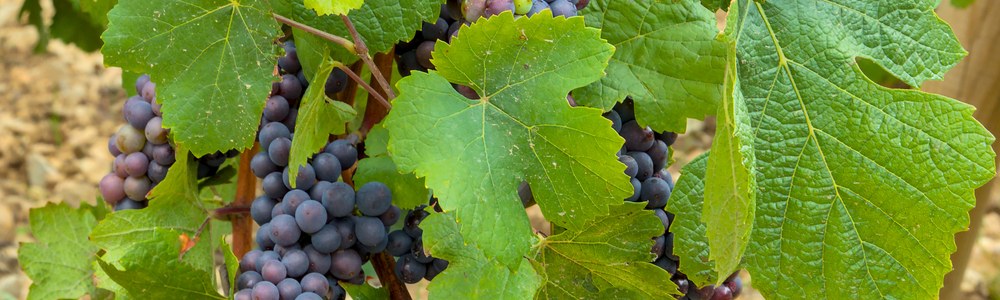
May and June and September and October are good months for the wine route. The harvest is earlier than many guides say: these days it typically falls between the end of August and the middle of September. In 2026 the picking of grapes for crémant began on 8 August and in the Côte de Beaune on 12 August, the earliest harvest on record in Burgundy. So by October the grapes have mostly been picked.
The third weekend in November is the auction weekend in Beaune, with festivities in the town and in the wine villages. The hotels are then full and expensive, so book early if you want to experience it.
Practical advice
A car gives you the most freedom along the route. The motorway from Dijon to Beaune is around 46 kilometres, while the Route des Grands Crus is 60 kilometres all the way to Santenay – allow a full day if you want to stop along the way. If you are going to taste wine, it is wise to let someone else drive, or to take the bike.
On the regional TER train the journey between Dijon and Beaune takes around 20 minutes, so you can stay in one town and visit the other. If you have a particular estate in mind, you should arrange the tasting in advance.
The Route des Grands Crus with Beaune as a base
Beaune lies midway between the Côte de Nuits and the Côte de Beaune, with Pommard and Volnay a short trip away and Nuits-Saint-Georges 24 kilometres north on the cycle route. The travel guide has hotels, restaurants and wine cellars in the town. The town centre is also home to the Hospices de Beaune and the Hôtel-Dieu, where the wine auction belongs.
Four good ways to experience the Route des Grands Crus
The wine route is best enjoyed in small doses – a few villages at a time, by car, by bike or on foot. Here are four suggestions that work well for a day or half a day.
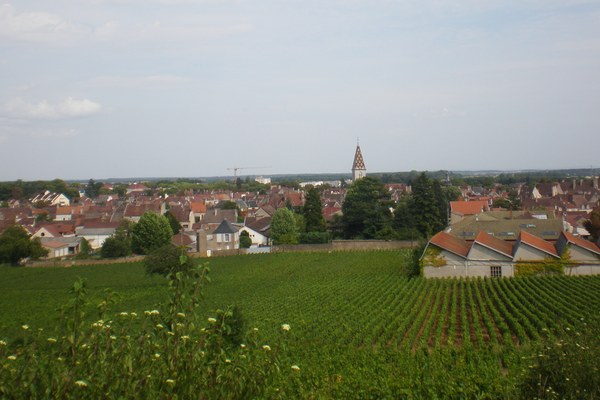
The Côte de Nuits from Gevrey to Nuits-Saint-Georges
Start in Gevrey-Chambertin in the morning, take the guided tour of Clos de Vougeot before lunch, and drive on through Vosne-Romanée to Nuits-Saint-Georges.
- Guided tour of Clos de Vougeot, 15 euros
- Book the tour in advance
- Arrange tastings in Vosne before you go
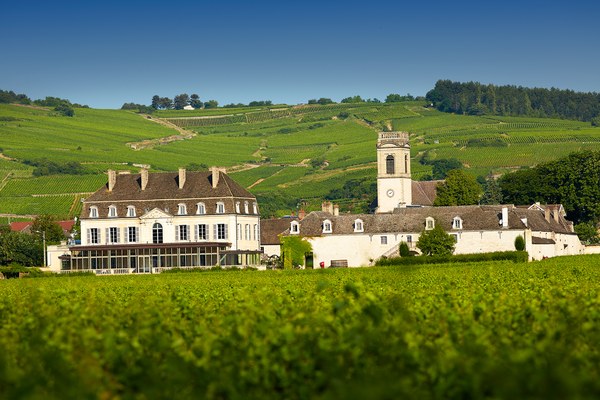
Lunch in Pommard
Pommard is around 4 kilometres from Beaune. Take a walk through the vineyards in the morning, and book a table at the starred restaurant Auprès du Clocher for lunch.
- One Michelin star
- Premiers crus, no grands crus
- A short trip from Beaune
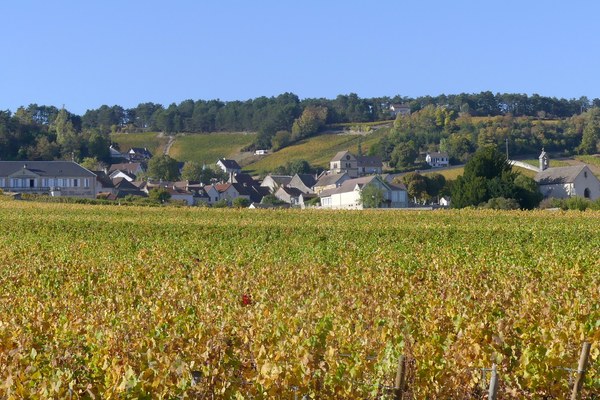
From red to white: Volnay, Meursault and Puligny
Drive from the red wine village of Volnay to the white wine villages of Meursault and Puligny-Montrachet. Finish with a tasting at Olivier Leflaive on the village square in Puligny.
- Volnay: red premiers crus
- Meursault and Puligny: white wines
- Montrachet is shared by Puligny and Chassagne
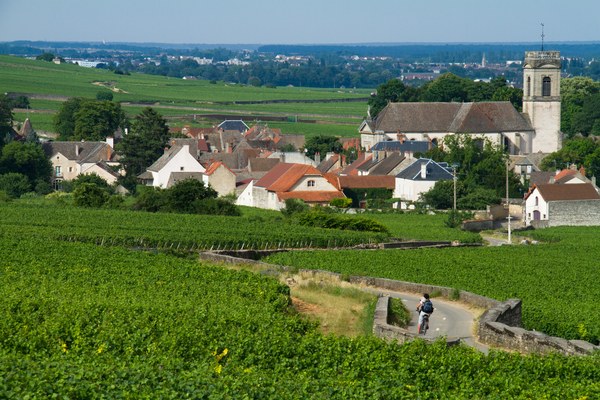
Cycling from Beaune to Santenay
Cycle the signposted stage of the Voie des Vignes south from Beaune, through the wine villages of the Côte de Beaune, and have lunch in Santenay before you cycle back.
- 23 kilometres each way, officially signposted
- A few short, steep climbs
- Take care at the N6 crossing