Food and wine in Corsica:charcuterie, brocciu and local wines
A cuisine of the mountains and the sea – with pigs roaming free in the chestnut forests, fresh cheese from the shepherds and wines you rarely find outside the island.
Corsican food is simple, honest and closely tied to the landscape. In the mountains, charcuterie is made from pigs that have roamed free in the forest, cheese from sheep’s and goat’s milk, and bread and cakes from chestnut flour. On the coast, spiny lobster (langouste), fish and oysters are on the menu.
This guide covers the most important produce and dishes, the wines and drinks – and where to find the best markets and farm restaurants.
Corsica has one of the most distinctive cuisines in France. Much of the food comes from the interior, where shepherds, chestnut growers and pig farmers have kept the traditions alive for hundreds of years. Several of the products have protected designation of origin – from the charcuterie and brocciu cheese to the honey, chestnut flour and olive oil. The best way to experience them is at the markets, at the producers and in small village restaurants.
Find your flavour
What would you like to taste? Pick what suits you and go straight to that part of the guide.
Corsica lies closer to Italy than to mainland France, and you can taste it in the food. Pasta, polenta and charcuterie are just as important as French dishes, but almost everything is made from the island’s own produce. The pigs roam free and eat chestnuts and acorns, the shepherds make cheese from sheep’s and goat’s milk, and the maquis provides herbs that flavour everything.
Much of the food is seasonal. Fresh brocciu cheese and figatellu sausage belong to winter and spring, while summer brings grilled fish, tomatoes and figs. Do ask what is in season – that is when the food tastes best.
Many products have protected designation of origin (AOP), including three types of charcuterie, brocciu, chestnut flour, honey, olive oil and several of the wines. The label guarantees that the product is made in Corsica using traditional methods.
Produce from the mountains, the maquis and the sea
Italian and French influences
Many products with protected origin
Strong seasons – ask what is fresh
Eating out: practical tips
Lunch is usually served from around twelve to two, and dinner rarely before seven or half past seven. Many restaurants are closed between meals. Look for “menu corse” or “cuisine corse” on the menu if you want local dishes, and book a table for the evening in July and August.
Lunch approx. 12–14, dinner from approx. 19–19.30
Book a table in summer
Look for “cuisine corse”
Ask what is in season
Ferme-auberge: book in advance
Many village restaurants close in winter
A ferme-auberge is a farm restaurant where most of the food comes from the farm itself. The menu is often fixed, the portions are generous and the atmosphere is simple – always book a table in advance. Many are in the mountains and only open during the season.
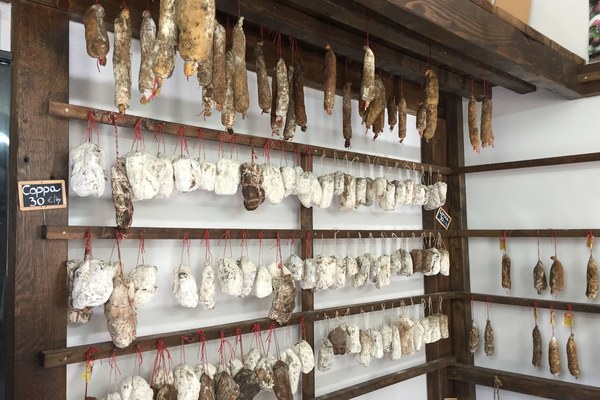
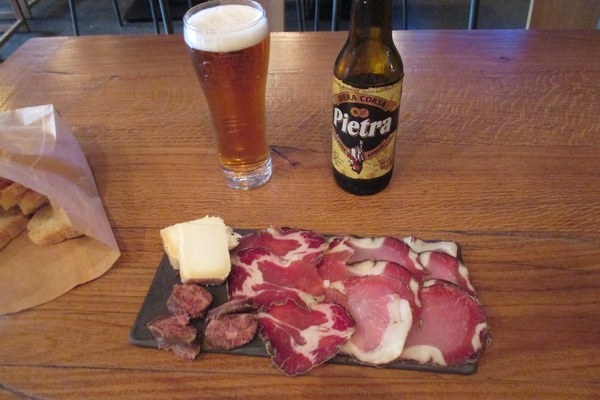
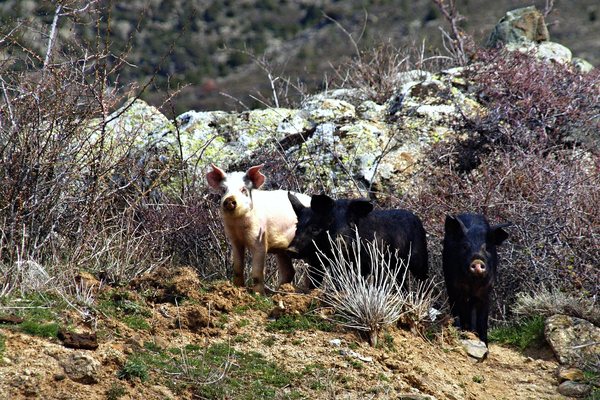
Corsican charcuterie is considered some of the best in France. It is made from the local pig breed, nustrale, which roams free in the forest and maquis and eats chestnuts and acorns in autumn. Three types have protected designation of origin: lonzu (pork loin), coppa (neck) and prisuttu (ham).
Figatellu is a smoked liver sausage that belongs to winter – it is often grilled over an open fire and eaten with bread or polenta. Charcuterie is traditionally made in winter, and the best is bought from the producers in the mountains.
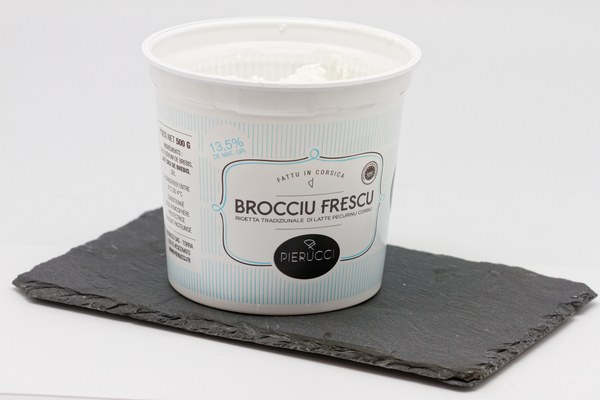
Brocciu is Corsica’s national cheese – a fresh, mild cheese made from the whey of sheep’s or goat’s milk. It has protected designation of origin and is used in everything from omelettes with mint to cannelloni, fritters and cheesecake. Fresh brocciu is available from late autumn to early summer, when the animals are milked.
The mountain villages also make strong, aged cheeses, often named after the area they come from, such as Niolo and Venaco. In spring a large cheese fair is held in Venaco.
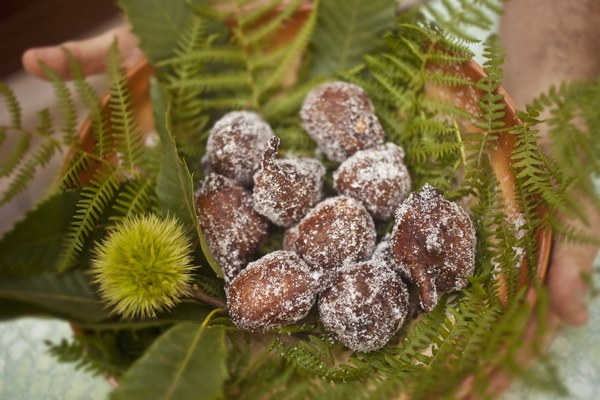
In Corsica the chestnut tree was called the bread tree, because for hundreds of years chestnut flour was the staple food of the mountain villages. Chestnut flour has protected designation of origin and is used in pulenda (chestnut polenta), bread, cakes, pancakes and fritters.
You will also find chestnuts in beer, liqueur and jam. In autumn and winter the chestnut is celebrated at markets and festivals in the villages, including in Bocognano in December.
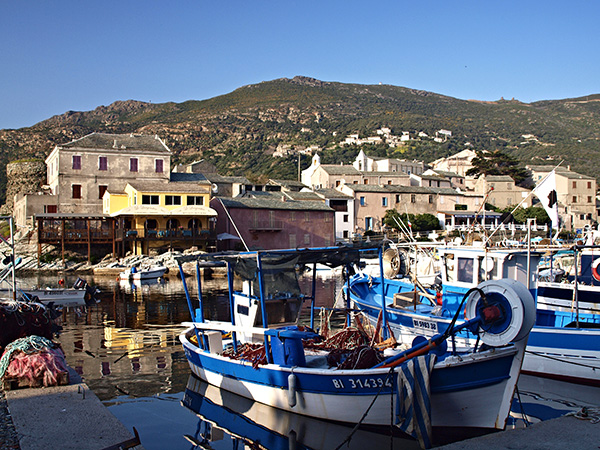
Spiny lobster (langouste) is the great feast on the coast, and the small harbour of Centuri on Cap Corse is famous for it. Aziminu, a rich fish soup, and grilled fish are on the menu in every harbour town.
On the east coast, oysters and mussels are farmed in the Diana lagoon, and from mid-February to mid-April Corsicans eat sea urchins, often outdoors with bread and white wine.
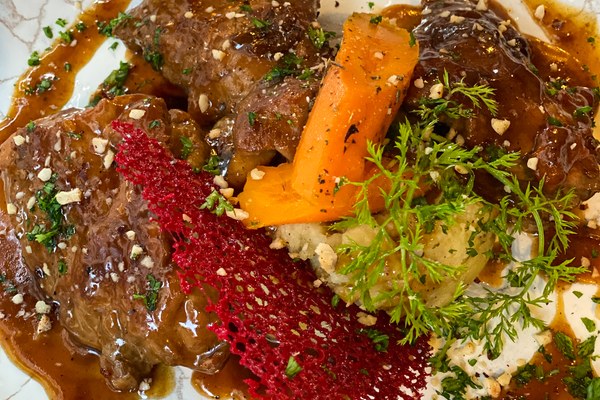
Wild boar stew (civet de sanglier), slow-cooked in red wine with herbs, is one of the best-known dishes in Corsica – especially in autumn and winter. Veal with olives and stufatu, a stew served with pasta, are other classics from the mountain villages.
At Christmas and Easter, kid (cabri) is often on the table. The meat is seasoned with herbs from the maquis, and the dishes are often served with chestnut-flour polenta.
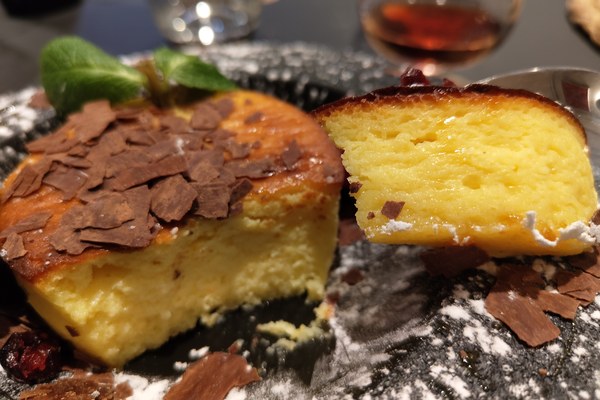
Fiadone is a light cheesecake made with brocciu and lemon, and you will find it on almost every menu. Canistrelli are dry biscuits flavoured with lemon, aniseed, almonds or chestnut flour – perfect with coffee and as a snack on the go. In Corte they make falculelle, small brocciu cakes baked on chestnut leaves.
Corsican honey has protected designation of origin and comes in several varieties depending on the season and the flowers of the maquis. In winter the Corsican clementines are in season.
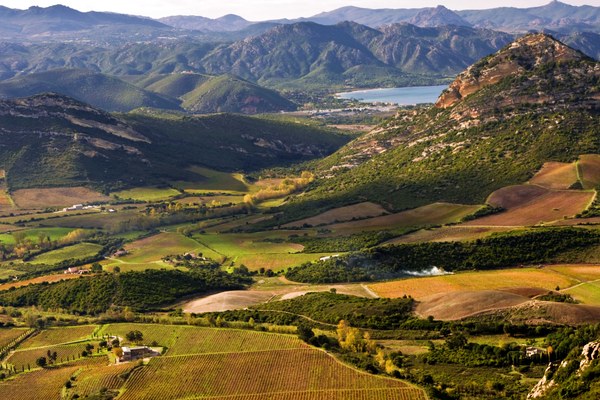
Corsica has a long winemaking tradition and several appellations. Patrimonio, near Saint-Florent, became the first in 1968, and together with Ajaccio it is the best known. Within Vin de Corse there are also separate areas such as Calvi, Sartène, Figari and Porto-Vecchio, and Cap Corse produces the sweet muscat.
The wines are made largely from local grapes: niellucciu and sciaccarellu for the reds and rosés, and vermentinu for the whites. Many vineyards welcome visitors for tastings – see our own guide to wine tasting in Corsica.
Pietra is an amber beer brewed with chestnut flour, and you will find it in almost every café on the island. The brewery also makes a pale wheat beer flavoured with herbs from the maquis.
Cap Corse is a quinine-based aperitif that has been made in Bastia since 1872, and myrtle liqueur is a common way to end a meal. The island also has its own mineral waters, including the naturally sparkling Orezza from Castagniccia.
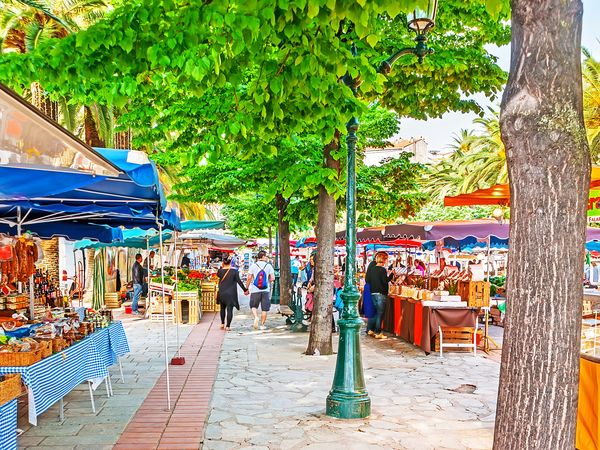
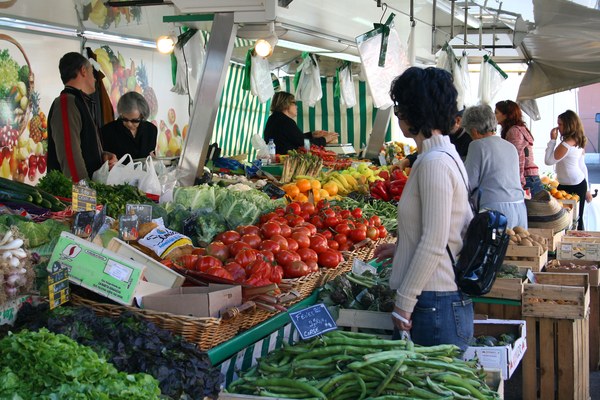
The markets are the best place to taste and shop locally. In Ajaccio there is a market from Tuesday to Sunday morning on Place Campinchi, right next to Place Foch, and in Bastia there is a market on the square by the town hall in the old town on Saturday and Sunday mornings. Here you will find charcuterie, cheese, honey, chestnut products, fruit and vegetables straight from the producers.
The farm restaurants (fermes-auberges) in the mountains are a good way to eat food made from the farm’s own produce. In summer and autumn, food fairs are also held around the island, where the producers gather.
Winter and spring are the time for fresh brocciu, figatellu and clementines, and from mid-February also sea urchins. In summer there are grilled fish, tomatoes, figs and melon on the table, and festivals and markets everywhere.
Autumn is perhaps the best season for food lovers: the grape harvest, chestnuts, mushrooms and wild boar, and the first food fairs in the villages.
Charcuterie, honey, canistrelli, chestnut flour, jam and a bottle of wine or Cap Corse are popular things to take home. Ideally, buy directly from the producers or at the markets, where you can often taste first.
Charcuterie can be vacuum-packed and travels well. Fresh cheese such as brocciu only keeps for a few days and is best eaten on the island.
Plan the rest of your trip
Map
See places and hotels
Open the map to find destinations and hotel suggestions all around the island.
Wine
Wine tasting in Corsica
Patrimonio, Ajaccio, Calvi, Sartène and Figari – the guide to the vineyards.
Frequently asked questions about food and wine in Corsica
What is typical Corsican food?
Charcuterie such as lonzu, coppa and figatellu, brocciu cheese, dishes made with chestnut flour, wild boar stew, fish soup and spiny lobster, and sweets such as fiadone and canistrelli.
What is brocciu?
A fresh, mild cheese made from the whey of sheep’s or goat’s milk, with protected designation of origin. It is used in omelettes, pasta, fritters and the cheesecake fiadone, and is available fresh from late autumn to early summer.
Which wines come from Corsica?
The best known are Patrimonio and Ajaccio, as well as Vin de Corse with areas such as Calvi, Sartène, Figari and Porto-Vecchio, and the sweet muscat from Cap Corse.
What is a ferme-auberge?
A farm restaurant where most of the food comes from the farm itself. The menu is often fixed, and you should always book a table in advance.
When do people eat dinner in Corsica?
Rarely before seven or half past seven in the evening. Lunch is served from around twelve to two, and many restaurants are closed between meals.
What can you take home?
Vacuum-packed charcuterie, honey, canistrelli, chestnut flour, jam, wine and the Cap Corse aperitif. Fresh brocciu only keeps for a few days.