When is the sea at its warmest, the trails free of snow and the beaches at their quietest? Here is Corsica throughout the year.
Corsica has a typical Mediterranean climate, with hot, dry summers and mild winters on the coast. But the island is also full of high mountains, and the best time to go depends on what you want to do: swim, walk in the mountains, see the towns or simply find a quiet beach.
In short, June and September are the best months for most people. Below we go through the year month by month, with the weather, sea temperatures, prices and what is open.
The high season in Corsica is short and intense. In July and August the island is full, prices are high and the roads are congested. Just a few weeks before or after, the sea is still warm, it is easier to find somewhere to stay, and you have the beaches more to yourself. Choose your timing carefully and you will get much more out of your trip.
Find your time to travel
What matters most to you? Pick what suits you and go straight to that part of the year.
For most people June and September are best. The sea is warm enough for swimming, the days are long and warm, and there are far fewer people than in July and August. Accommodation is cheaper, and you avoid the queues on the narrow roads.
May and October suit those who want to explore the towns, go walking and eat well, and who can live with cooler water. July and August are the right time if you have to travel during the school holidays or want it as hot as possible – but then you should book early.
Swimming: June to September
Walking: June and September
Quiet and affordable: May and October
Busiest and most expensive: mid-July to the end of August
Temperatures month by month
The figures below are approximate averages for Ajaccio: the daytime high and the sea temperature. It is colder in the mountains, and further north and east there can be a difference of a couple of degrees.
January–March: 14–16 °C in the air, 13–14 °C in the sea
April: around 18 °C, sea 15 °C
May: around 22 °C, sea 17–18 °C
June: around 26 °C, sea 21–22 °C
July–August: 28–29 °C, sea 23–25 °C
September: around 26 °C, sea 23–24 °C
October: around 22 °C, sea 21 °C
November–December: 15–18 °C, sea 15–18 °C
Autumn is the wettest time of year: October and November often bring heavy downpours, while the summer is almost dry. In summer there can be afternoon thunderstorms in the mountains. The wind can blow hard all year round, especially on the west coast and around Bonifacio.
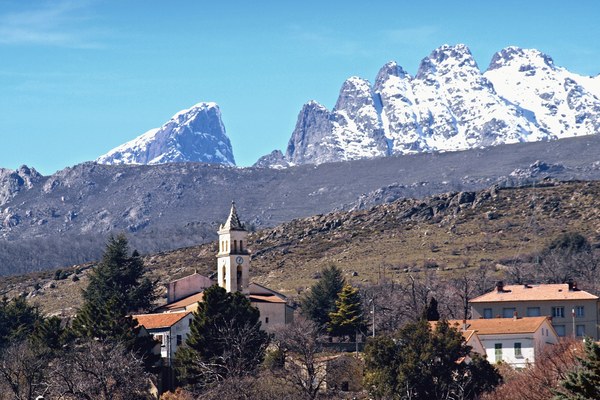
In winter Corsica is a completely different island. The coast is mild, often sunny, with daytime temperatures of 14–18 degrees, while the mountains are covered in snow. Most hotels, restaurants and campsites in the resorts are closed, and the boat trips are not running.
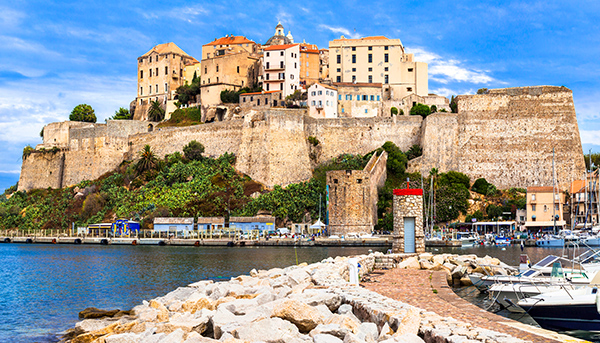
The towns, however, carry on as normal. Ajaccio, Bastia and Corte make good destinations for a quiet trip with culture, markets and good food – and flights are cheap. Around Christmas and New Year there are markets in the towns, and in December Bocognano celebrates the chestnut.
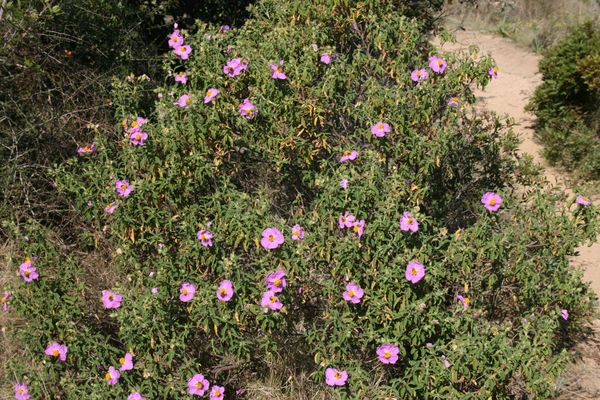
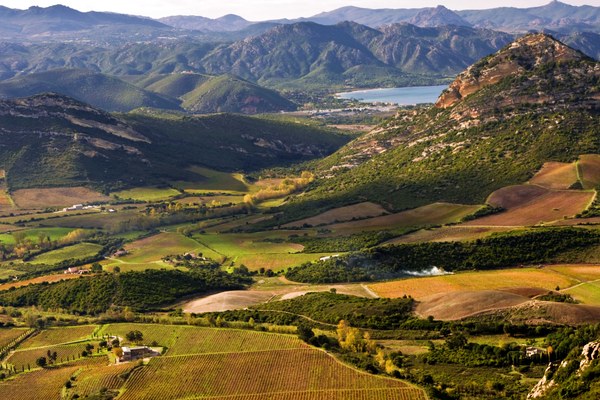
In April the island wakes up. The maquis – the dense scrub that covers much of Corsica – flowers in white, pink and yellow, and the scent of herbs hangs over the landscape. It is a good time for walks along the coast and in the lowlands, while there is still snow in the high mountains.
Many hotels and restaurants open around Easter, and there are few tourists. The sea is too cold for most people, at around 15 degrees. During Holy Week processions take place in several towns, the best known being the Catenacciu in Sartène on Good Friday.
May is one of the most underrated months. It is often over 20 degrees, most places have opened, and you have the towns, villages and coastal paths almost to yourself. The boat trips to Scandola and Bonifacio are running.
The sea is still fresh, at around 17–18 degrees, so swimming is mostly for the hardiest. On the other hand, prices are low and it is easy to find somewhere to stay. Note that France has several public holidays in May, when many French tourists arrive.
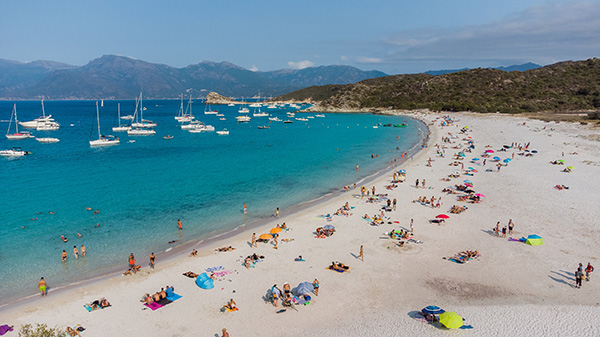
June may well be the very best month in Corsica. The days are long and warm, the sea has reached around 21–22 degrees and everything is open – but the French school holidays have not yet begun. The beaches are lovely without being crowded.
It is also a good month for the mountains. The mountain huts on the GR20 have opened, and the snow disappears from most trails during the month. Towards the end of June prices and visitor numbers rise.
In July and August Corsica is at its hottest and busiest. It is thirty degrees with brilliant sunshine almost every day, the sea is around 24 degrees, and there are festivals and life everywhere. This is also when the French and Italians are on holiday, and the island is full.
Prices are highest from mid-July to the end of August, and the popular places should be booked months in advance. The roads are congested, the car parks at the well-known beaches fill up early, and the fire risk is high. Set off early in the day, and ideally choose a base within walking distance of a beach.
When the French schools go back at the start of September, things suddenly become quiet. The sea is still around 23–24 degrees, the days are warm and prices fall. For many people this is the best time for a beach holiday.
September is also the time of the grape harvest, and it is a good month for walking – the heat has eased, and the mountain huts are open until early October. Towards the end of the month the weather becomes more changeable.
In the first half of October you can still swim, with the sea at around 21 degrees and plenty of sunny days. It is quiet, the light is soft and the forests inland take on autumn colours. It is the season for chestnuts, wild boar and mushroom dishes.
As the month goes on, many hotels, restaurants and campsites close for the season, and there is more rain. October is best suited to those who want to walk, drive around and eat well.
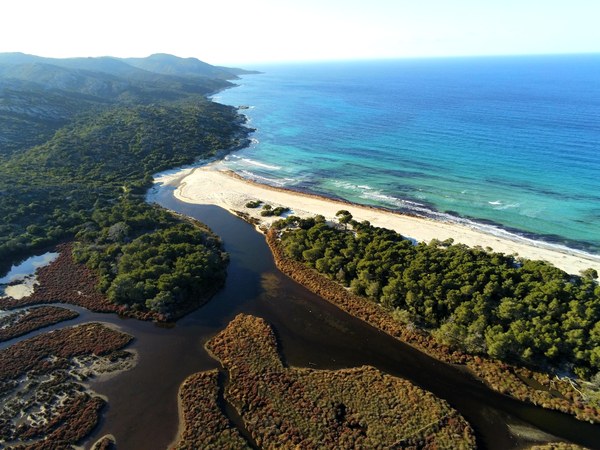
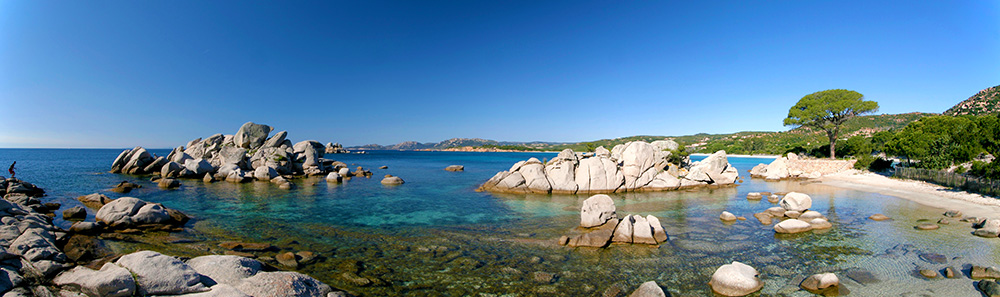
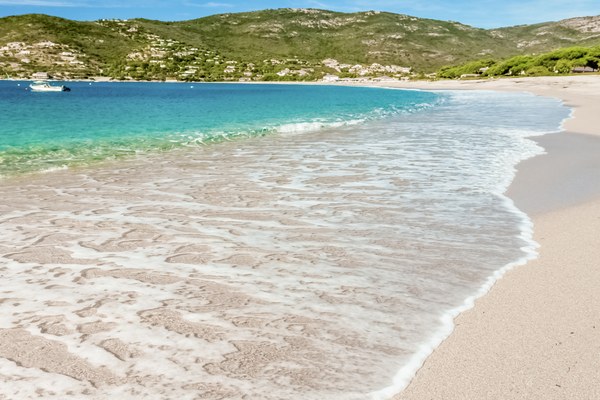
The sea around Corsica is warm enough for most people from June to September, and for those who can cope with slightly cooler water from late May to mid-October. It is warmest in August, at around 24–25 degrees.
The water is often a little warmer in the shallow bays and lagoons of the south and east, such as around Porto-Vecchio, than on the open west coast. The mountain rivers are always cold – even in midsummer.
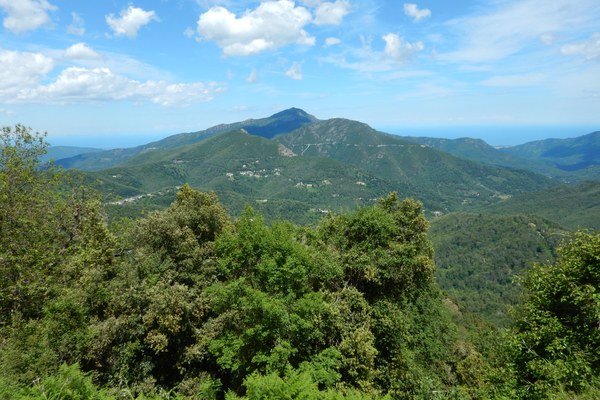
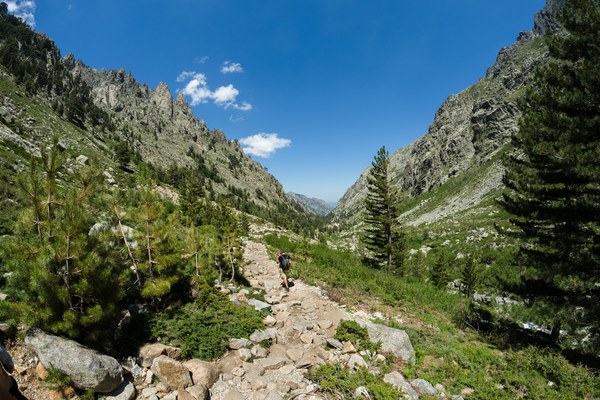
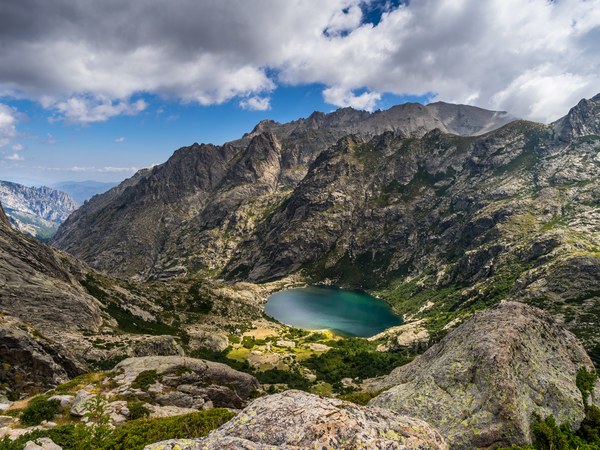
For walks in the high mountains and the GR20, June and September are best. The mountain huts on the GR20 are staffed from mid-May to early October, but snow can linger on the highest sections well into June. In July and August the best-known trails are hot and crowded, and there are often afternoon thunderstorms.
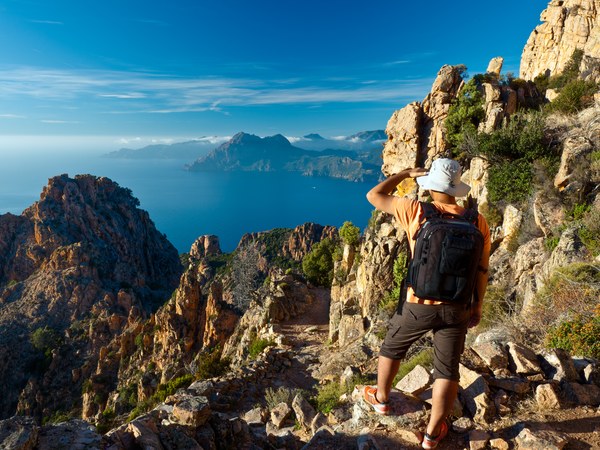
Along the coast and in the lowlands, April, May and October are good, when it is not too hot. In summer you should start early, carry plenty of water and keep an eye on fire risk warnings.
Ferries to Corsica run all year from Marseille, Toulon and Nice, but with far more sailings in summer. From Italy most ferries only run in season, though Livorno–Bastia has sailings all year round. Book early if you are taking a car in July and August.
Direct flights from Scandinavia only operate in summer. The rest of the year you fly via Paris, Nice or Marseille, for example, to one of the island’s four airports: Ajaccio, Bastia, Calvi and Figari.
During Holy Week processions wind through many towns and villages, and on Good Friday a penitent carries a heavy cross through the streets of Sartène in the Catenacciu. In summer there are concerts and festivals everywhere, including the jazz festival in Calvi in June and the Nuits de la Guitare guitar festival in Patrimonio in July.
In mid-August Ajaccio celebrates Napoleon’s birthday, and on 8 September people from all over the island gather in Casamaccioli for the Santa di u Niolu. In autumn and winter there are food fairs in the villages, including the chestnut fair in Bocognano in December.
Plan the rest of your trip
Map
See places and hotels
Open the map to find destinations and hotel suggestions all around the island.
Accommodation
Where should you stay?
The best areas to stay on the island – and whether to choose a holiday home, a hotel or a campsite.
Frequently asked questions about the best time to visit Corsica
What is the best month to visit Corsica?
For most people, June or September. The sea is warm, the days are long, and there are fewer people and lower prices than in July and August.
When is the sea warmest?
In August, at around 24–25 degrees – often even warmer in shallow bays in the south and east. The sea is warm enough for most people from June to September.
When is it cheapest to travel?
Outside the French school holidays: May, June, September and October. It is most expensive from mid-July to the end of August.
Is it worth going in October?
Yes, especially in the first half of the month. It is often warm enough to swim, it is quiet and the colours are beautiful, but many places close as the month goes on and there is more rain.
Can you visit Corsica in winter?
Yes, but it will be a quiet holiday of towns and culture. The coast is mild, but most hotels, restaurants and activities in the resorts are closed. Ajaccio, Bastia and Corte are open all year.
When can you walk the GR20?
The mountain huts are staffed from mid-May to early October, but June to September is safest. In early June there may still be snow on the highest sections, especially in the north.