
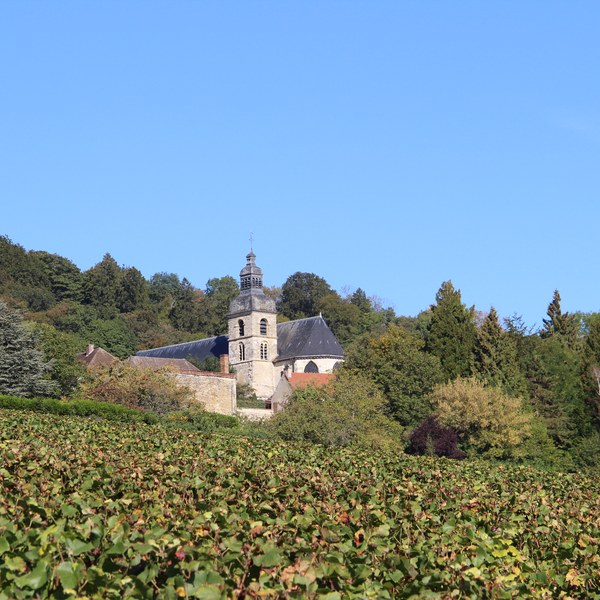
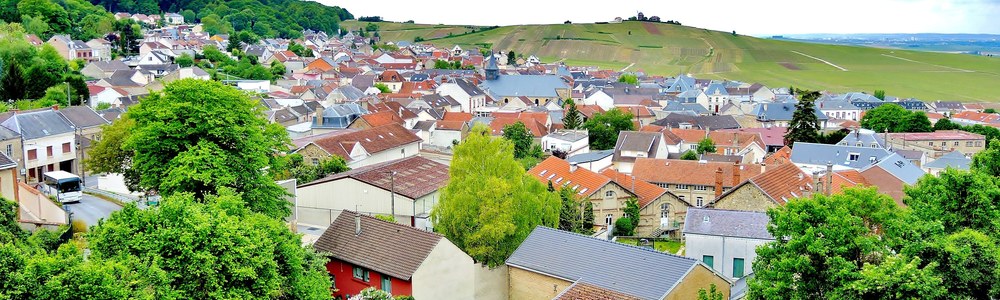
The historic vine-covered slopes in Hautvillers, Aÿ and Mareuil-sur-Aÿ are one of the three parts of the 2015 World Heritage Site “Coteaux, Maisons et Caves de Champagne” – the other two are the Avenue de Champagne in Épernay and the Colline Saint-Nicaise in Reims. The slopes were once estates belonging to the abbey in Hautvillers, and the World Heritage site manager describes them as the stretch from Cumières to Mareuil-sur-Aÿ.
Hautvillers – the wine village above the Marne
Hautvillers lies around five kilometres from Épernay, roughly ten minutes by car or taxi. The village has no railway station, but there is parking by the abbey. The tourist office is on the place de la République (tel. +33 3 26 57 06 35).
The abbey church and Dom Pérignon’s grave
The Benedictine abbey of Saint-Pierre was founded in the mid-7th century by Saint Nivard, Archbishop of Reims. Pierre Gabriel Chandon bought it in 1823, and today it is owned by Moët & Chandon. The abbey itself cannot be visited. The abbey and the Porte Saint-Hélène gateway were restored in 2012.
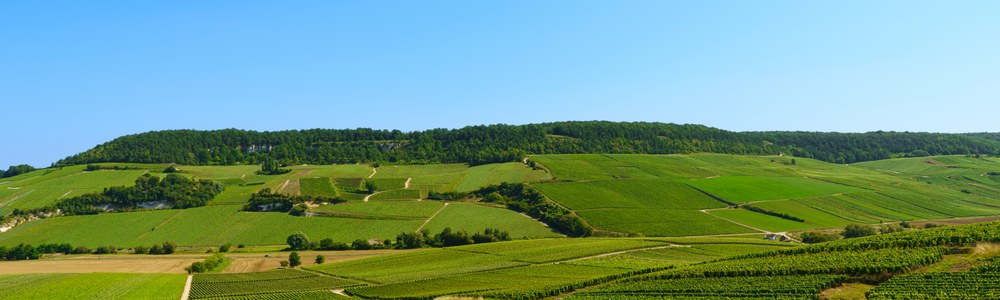
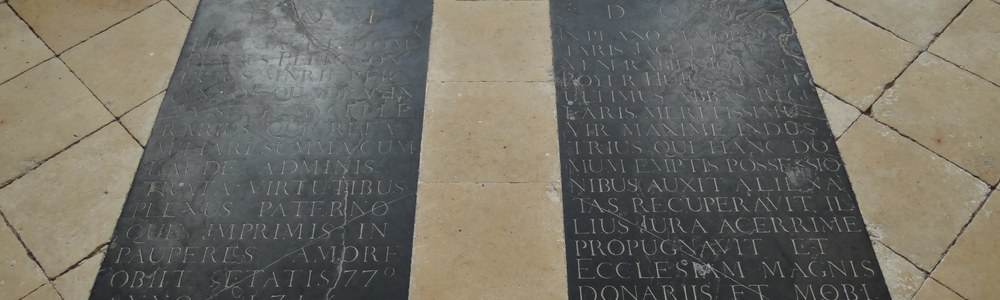
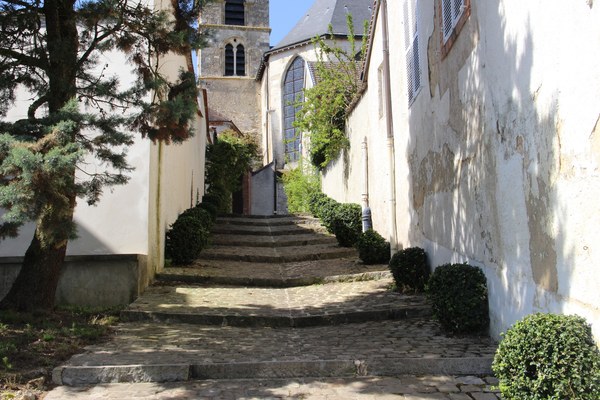
The former abbey church, the Église Saint-Sindulphe, is now the parish church and has been listed as a monument historique since 1923. It is open all year round, with free admission, and guided tours are available. Dom Pérignon lies in the choir beneath a simple stone slab.
Dom Pérignon – the monk behind the legend
Dom Pierre Pérignon was baptised in Sainte-Ménehould on 5 January 1639 and died on 24 September 1715. From 1668 he was procureur – steward – at the abbey in Hautvillers, for 47 years.
He did not “invent” Champagne. The Comité Champagne writes that he and other monks, among them Frère Oudart in Pierry, played a decisive role, particularly with assemblage – blending wine from different vineyards. The period 1670–1720 was when people deliberately began making sparkling wine. According to the tourist office in Hautvillers, it was in the 19th century that the legend took over and made him the spiritual father of Champagne.
In the parc Pierre Cheval in Hautvillers stands a 700-kilo bronze statue of Dom Pérignon, made by Juan Carlos Carrillo.
The wrought-iron signs in the streets
Around forty wrought-iron signs hang above the doors in Hautvillers. They show trades – cooper, blacksmith, cellar master, carpenter – and have been put up since the 1960s. The tourist office has a map, so you can go hunting for them.
The view over the Marne valley
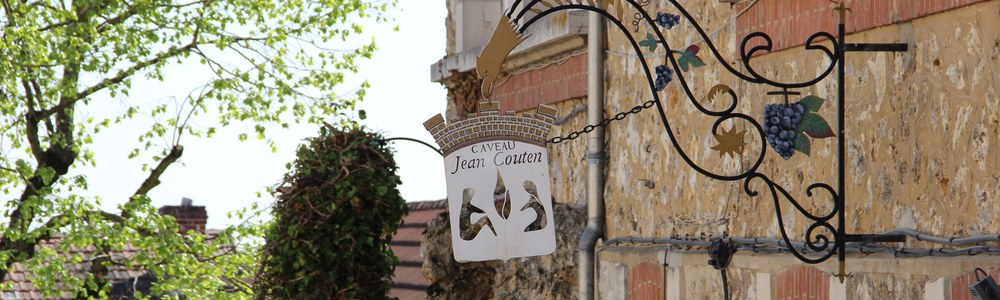
From the viewpoint in Hautvillers you look out over the valley, the village and the vineyards down towards Épernay, and further away the cliffs at Cumières. The World Heritage site manager also mentions the viewpoint at the Croix Joseph.

Tasting with small producers
Several dozen producers are based in Hautvillers. According to the tourist office in Épernay, some open their cellars by appointment only, while others welcome visitors without formalities. Some grow organically or biodynamically. The Comité Champagne has a catalogue of producers who welcome visitors.
The tourist office in Épernay also runs guided tours of the village, such as “Sur les pas de Dom Pérignon” and a lantern tour. From May to October the “Esprit de Champagne” minibus runs from Épernay to winegrowers, with eight seats – it is booked at the tourist office in Épernay.
The wine villages – Aÿ, Mareuil-sur-Aÿ, Cumières, Dizy, Bouzy and Ambonnay
Aÿ-Champagne has around 5,100 inhabitants and a station on the “Ligne des bulles”, the railway line between Épernay and Reims. Since 2016 Mareuil-sur-Aÿ has no longer been a separate municipality but part of Aÿ-Champagne. On the historic slopes here are the houses of Bollinger, Ayala, Deutz and Collet in Aÿ and Philipponnat and Billecart-Salmon in Mareuil-sur-Aÿ.
Cumières is also one of the historic slopes in the World Heritage Site, and from the cliffs by the village there is a wide view. Dizy lies between Épernay and Hautvillers.
Bouzy and Ambonnay lie in the Montagne de Reims, which is known for Pinot Noir.
Without a car: Mouvéo bus line 10 runs from Épernay to Aÿ and Mareuil, and line 3 to Dizy, Monday–Saturday.
Parc naturel régional de la Montagne de Reims
The nature park was created on 28 September 1976 and turns 50 in 2026. It covers 61 municipalities with around 34,200 inhabitants, and its area is 40 per cent forest, 30 per cent vineyards within the Champagne AOC and 30 per cent farmland. Reims, Châlons-en-Champagne and Épernay lie at the gateway to the park, and the park’s visitor centre, the Maison du Parc, is in Pourcy.
The state forests of Chêne à la Vierge, Hautvillers and Verzy carry the “Forêts d’Exception” label.
The Faux de Verzy and Mont Sinaï
In the forest at Verzy stand nearly 800 twisted beeches, “faux” – according to the nature park, the largest collection in the world. Their shape is now explained by a rare genetic mutation. The forest is a biological reserve managed by the ONF.
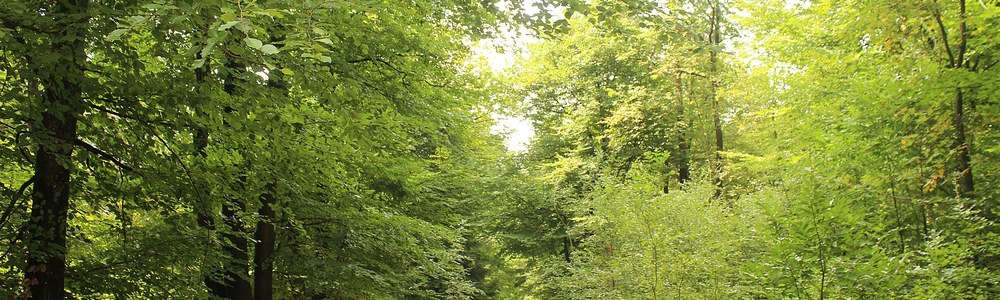
- Balade des Faux: an easy 3-kilometre loop, accessible with a pushchair and for people with reduced mobility.
- Keep your distance: the trees stand behind fences because their roots lie close to the surface. Do not walk up to them.
- Parking: free at the Parking des Faux, des Pins, Mont Sinaï and Champ de Vaux.
- Longer walks: the GR 145 and the PR 63 “Entre vignes et Faux” pass by.
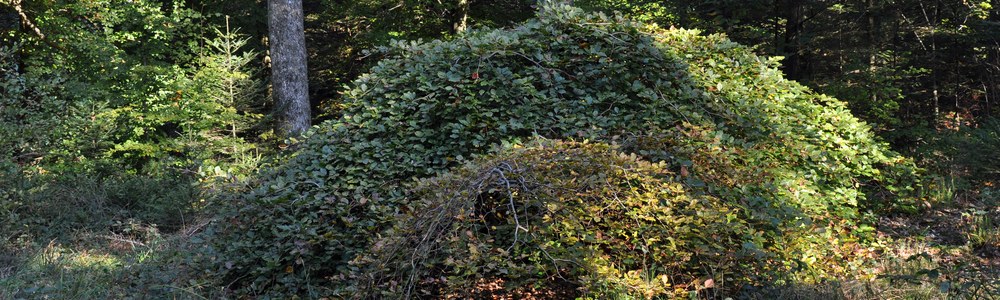
By the Parking des Faux is the observatory on Mont Sinaï, 286 metres above sea level, listed as a monument historique. The nature park gives it as the highest point in the Marne department. We have not been given its opening hours.
Phare de Verzenay – the lighthouse in the vineyards
The lighthouse in Verzenay was built in 1909 by Joseph Goulet to advertise his Champagne brand, and was one of the first reinforced concrete buildings in the region. During the Second World War it was used as an observation post. The municipality bought it in 1987, and the wine museum, the “Musée de la Vigne”, opened on 3 October 1999.
Right now the stairs up the lighthouse and the garden are closed for works – the 101 steps to the viewing platform are not accessible. The museum is open.
- Open: 1 October–31 March Tuesday–Sunday from 10.30am to 5pm, 1 April–30 September every day from 10am to 6.30pm. Closed in January, reopening on the first weekend in February.
- Museum price: 8 euros, ages 6–16 4 euros, free for under-6s.
- Telephone: 03 26 07 87 87.
Route touristique du Champagne
The Champagne route is signposted all the way. It is made up of 19 stages across the whole AOC area, averaging 50 kilometres, from the Massif de Saint-Thierry in the north to Les Riceys in the south. Three of them start in Épernay:
- Vallée de la Marne: via Hautvillers with the wrought-iron signs, the Château de Boursault, Dormans and Oeuilly.
- Montagne de Reims: around 70 kilometres to Reims, via the Faux de Verzy.
- Côte des Blancs: the area known for Chardonnay.
Cycling and walking
The V52 – Véloroute de la Vallée de la Marne runs for 90 kilometres from Dormans to Vitry-le-François, via Épernay and Châlons, along the Marne and the Canal latéral à la Marne. From Épernay you join the route via Magenta: towards Dormans, with the option of a detour to Hautvillers, or towards Aÿ and Châlons. The tourist office in Épernay rents out e-bikes.
Along the V52 there is also “Le Parc au fil de l’eau”, a 28-kilometre discovery trail between Tours-sur-Marne and Reuil.
On foot: the “circuit des quatre monts” is an 18-kilometre loop from Épernay, and the GR 145 and PR 63 pass by Verzy.
The grape harvest – now often in August
According to the Comité Champagne, the harvest usually starts in September, but in recent years it has not been unusual for it to begin as early as mid-August. The grapes are picked by hand – machines are not allowed in the appellation – and nearly 120,000 people work on the harvest. The tourist office in Épernay mentions that partners offer “vendangeur d’un jour” – picker for a day.
Other dates: the “Champagne et vous” festival is held at the end of October, over two days, and Saint-Vincent, the patron saint of winegrowers, is celebrated on the Sunday after 22 January.
A day trip to Reims
The train from Épernay to Reims takes around 30 minutes on the “Ligne des bulles”, stopping at Aÿ-Champagne and Rilly-la-Montagne among other places. The 13th-century Notre-Dame cathedral, where 29 French kings were crowned, has been a World Heritage Site together with Saint-Rémi and the Palais du Tau since 1991.
- The cathedral towers: guided tour, 9 euros, 249 steps, free for under-18s. Online booking is required, and the towers are closed from 16 November to 14 February.
- The Palais du Tau is closed for renovation and reopens in 2027.
- The cellars beneath the Colline Saint-Nicaise are old chalk quarries, with Ruinart as the first house in 1768, followed by Veuve Clicquot, Pommery, Charles Heidsieck, Taittinger and Martel.
You will find more about the city in the travel guide to Reims and in the article Reims – the cathedral and city life.
Taste in moderation – and do not drive
French law prohibits the sale and free distribution of alcohol to people under 18. Between the wine villages it is tempting to drive yourself, but if you have been tasting, leave the car. Take the train on the Ligne des bulles to Aÿ, the bus to Dizy and Mareuil, the minibus from Épernay or a taxi. The same goes for the bike. You do not have to finish your glass, and the Faux de Verzy, the museum in Verzenay and the view over the Marne involve no alcohol.
Eating and sleeping
Hautvillers has no classified hotels, only guesthouses and apartments. Close by, in Champillon, is the five-star Royal Champagne Hotel & Spa (47 rooms) with views over the vine-covered slopes and the Marne valley, and its restaurant Le Royal has one Michelin star. In Aÿ-Champagne, the Hôtel Castel Jeanson has three stars, and on the edge of the forest in Mutigny is the four-star LOISIUM Hôtel en Champagne.
By the Montagne de Reims, Le Grand Cerf in Montchenot has one Michelin star, and Michelin recommends Couvert de Vignes in Chigny-les-Roses. In Reims, the Assiette Champenoise has three stars and Le Parc Les Crayères two.
You will find more hotels and restaurants in the travel guide to Épernay. The Champagne houses on the avenue, with prices and booking, are covered in Avenue de Champagne and the Champagne houses, and the whole wine region in the wine guide to Champagne.
4 days in Hautvillers and the Montagne de Reims
With four days you have time for Hautvillers, the forest and the lighthouse in the Montagne de Reims, the wine villages around Aÿ and a day in Reims. You can reach Aÿ and Reims by train, while Verzenay and Verzy are easiest by car – and then with a driver who does not taste.
Hautvillers and Dom Pérignon’s grave
See the abbey church and the grave in the choir, go hunting for the wrought-iron signs and take in the view over the Marne valley and Cumières. Arrange a tasting with a small producer.
- The church is open all year, free
- The abbey itself cannot be visited
- Map of the signs at the tourist office
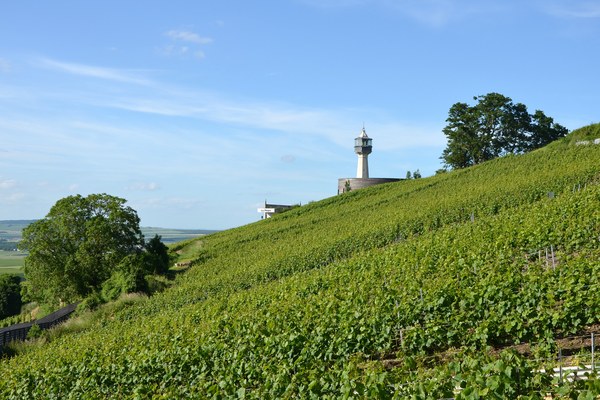
The Faux de Verzy and the lighthouse in Verzenay
Follow the Montagne de Reims route from Épernay. Walk the easy loop among the twisted beeches at Verzy, see Mont Sinaï and visit the wine museum in the lighthouse in Verzenay.
- Balade des Faux: 3 kilometres, easy
- The lighthouse stairs are closed, the museum open
- The lighthouse is closed in January
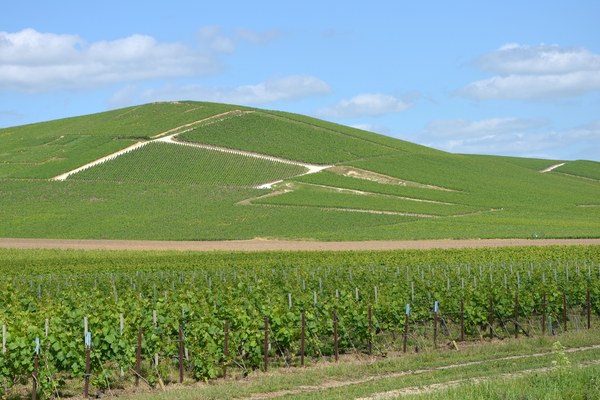
Aÿ, Mareuil-sur-Aÿ, Bouzy and Ambonnay
Take the train to Aÿ-Champagne and walk the historic slopes towards Mareuil-sur-Aÿ. By car you can continue to Bouzy and Ambonnay in the Montagne de Reims.
- Aÿ has a station on the Ligne des bulles
- Bus 10 to Aÿ and Mareuil, Monday–Saturday
- The slopes are World Heritage
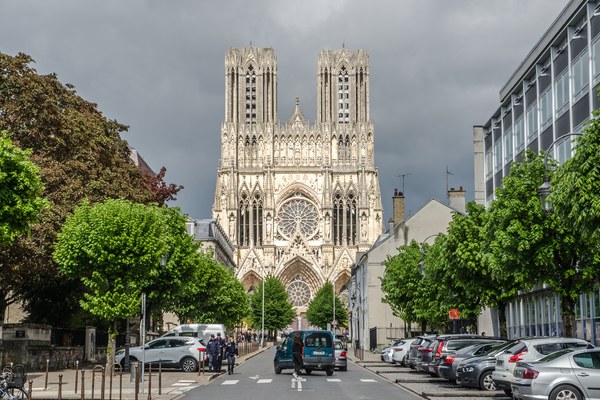
Reims – the cathedral and the cellars
Take the Ligne des bulles to Reims. See the cathedral where 29 French kings were crowned, and the Colline Saint-Nicaise, where the cellars lie in old chalk quarries.
- The train: around 30 minutes
- The towers are closed 16 Nov–14 Feb
- The Palais du Tau reopens in 2027