
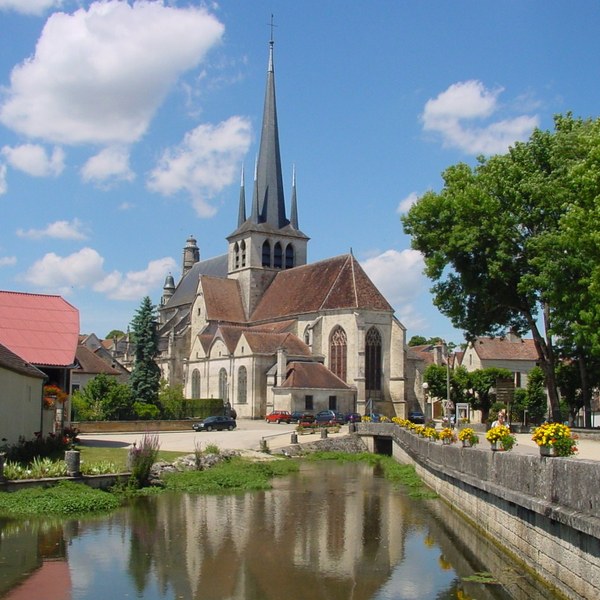
The Côte des Bar lies in the Aube department, in the Grand Est region. The tourist area covers 80 municipalities, and the tourist office has the website tourisme-cotedesbar.com. The prices and opening hours in this guide are from the sources in autumn 2026 – check them before you go.
The wine region: pinot noir on limestone and clay
The Côte des Bar lies at the very south of the Champagne appellation, south-east of Troyes, and covers the vineyards around the towns of Bar-sur-Seine and Bar-sur-Aube. The tourist office gives the figure of nearly 8,000 hectares in 63 villages: 33 around Bar-sur-Seine and 30 around Bar-sur-Aube.
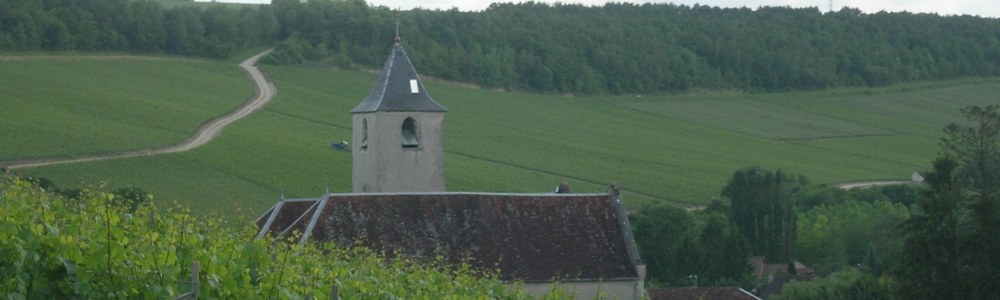
- The grapes: 85 per cent pinot noir, 11 per cent chardonnay, 3 per cent meunier and 1 per cent rare varieties.
- The soil: Jurassic slopes on Kimmeridgian limestone – marl, limestone and clay, as in Burgundy.
- The producers: 469 winegrowers who make champagne from their own grapes, six cooperatives and 55 Champagne houses (négociants).
- The share: the Aube is the second-largest department in Champagne after the Marne, with 23 per cent of the area – almost a quarter of the vineyards. You will often see older and lower figures.
- Classification: no villages in the Côte des Bar are grand cru or premier cru.
- The name: the sources have two explanations – the Celtic word “bar”, which means summit or ridge, or the towns of Bar-sur-Seine and Bar-sur-Aube.
West of Troyes, 8.7 kilometres as the crow flies from the city, lies Montgueux – a small area of its own, with 215 hectares of chardonnay on chalk. You will find the rest of Champagne in the wine guide to Champagne.
The dispute over the boundaries: 1908, 1911 and 1927
Whether the Aube belonged to Champagne was disputed for a long time:
- 1908: a decree of 17 December drew the boundaries around the Marne and the Aisne. The Aube was left out.
- February 1911: Gaston Checq’s Ligue de Défense des Vignerons de l'Aube was founded. During the uprising 125 of the department’s municipalities, including Troyes, were without a municipal council.
- 9 April 1911: between 5,000 and 7,000 winegrowers marched in Troyes. The riots in Aÿ in the Marne came two days later, on 11 and 12 April.
- June 1911: the Aube became “Champagne Deuxième Zone”, a second-class zone.
- 1927: a new law brought the Aube into the appellation.
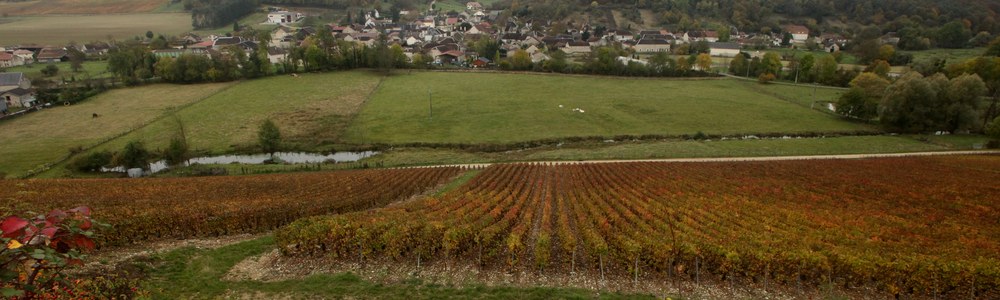
The World Heritage Site is in the Marne, not here
“Coteaux, Maisons et Caves de Champagne” was added to UNESCO’s World Heritage List on 4 July 2015. The World Heritage Site has three parts, and all of them are in the Marne: the vineyard slopes at Hautvillers, Aÿ and Mareuil-sur-Aÿ, the Colline Saint-Nicaise in Reims, and the Avenue de Champagne with Fort Chabrol in Épernay. The Côte des Bar is not part of the World Heritage Site. The Aube belongs to the surrounding “zone d'engagement”, which covers 320 municipalities in five departments, according to the organisation behind the World Heritage Site.
The World Heritage places have guides of their own: Avenue de Champagne and Hautvillers and the Montagne de Reims.
Route touristique du Champagne
The signposted Champagne route in the Côte des Bar is approx. 220 kilometres long and runs between Bar-sur-Aube and Bar-sur-Seine with Les Riceys. Along it are approx. 50 producers with the Vignobles & Découvertes label.
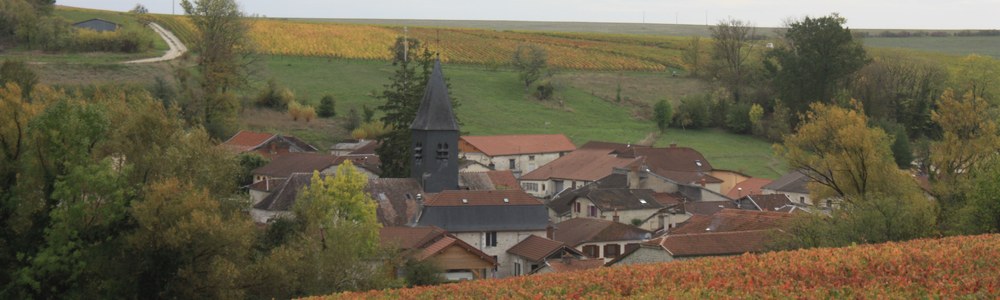
The tourist office in the Côte des Bar has a free pass, the Pass Côte des Bar, which gives a lower price from the second of 25 places to visit. You will find the map and an overview on tourisme-cotedesbar.com.
Champagne houses and winegrowers that welcome visitors
Always book before you go, and choose one or two producers a day. Agree on who is driving and not tasting, or buy a bottle to take home instead.
- Champagne Drappier, Urville: in the same family since 1808. A guided tour with tasting at 2.30pm costs 26 euros, tasting only 21 euros. Call or write first. Monday–Friday 8am–12 noon and 2pm–6pm, Saturday 9am–12 noon and 2pm–6pm, closed on Sundays and public holidays. See champagne-drappier.com.
- Champagne Chassenay d'Arce, Ville-sur-Arce: Monday–Saturday at 10am and 2pm, from four people. 10 euros with three champagnes, and other options up to 20 euros. See chassenay.com.
- Champagne Devaux, Bar-sur-Seine: shop with tasting in the manor house at Hameau de Villeneuve. Prices and fixed times have not been published – check on champagne-devaux.com.
- Champagne de Barfontarc, Baroville: guided tours and other experiences. Prices and booking on champagne-barfontarc.com.
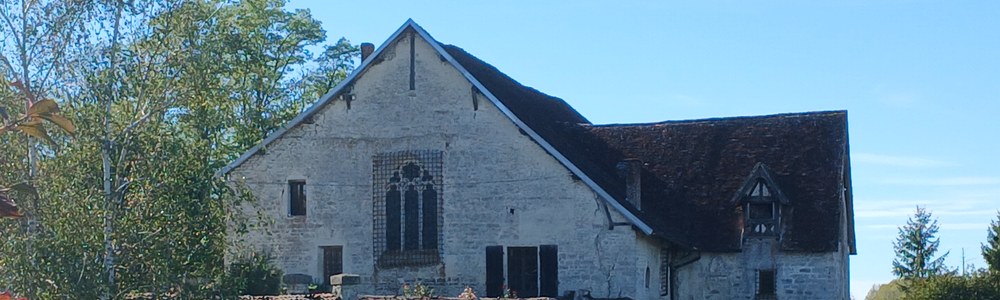
You can see which producers welcome visitors on Sundays on the map from Aube en Champagne.
Les Riceys and Rosé des Riceys
Les Riceys consists of Ricey-Bas, Ricey-Haut and Ricey-Haute-Rive, each with its own listed Renaissance church. With 866 hectares it is Champagne’s largest wine commune, and the only one with three appellations: Champagne, Coteaux Champenois and Rosé des Riceys.
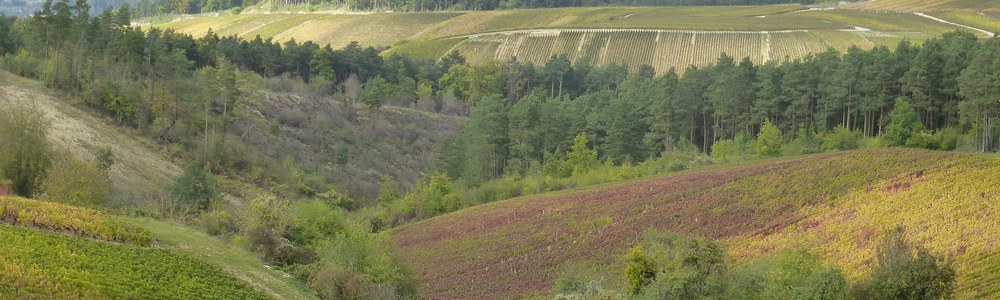
- Rosé des Riceys: a still rosé made only from pinot noir, with its own AOC since 1947. It is made only in sunny years, on around 30 hectares, giving approx. 50,000 bottles a year. The municipality gives 25 winegrowers, other sources fewer. Read more on rosedesriceys.fr.
- Château de Ricey-Bas: owned by the Taisne family since 1837, with a park of 25 hectares.
- Cadoles: dry-stone vineyard huts. There are approx. 200 of them in the Côte des Bar, and a waymarked circular walk starts at the viewpoint on the Route de Mussy.
Les Riceys lies approx. 40 kilometres as the crow flies from Troyes. The municipality’s website is les-riceys.fr.
Essoyes and Renoir
Pierre-Auguste Renoir came to Essoyes from 1885. The family bought a house here in 1896, the studio followed in 1906, and the family is buried in the village cemetery. Du Côté des Renoir comprises the cultural centre at 9 place de la Mairie and the house and studio in rue de l'Extra.
- April, May, June, September and October: every day except Tuesday 10am–12.30pm and 1.30pm–6pm.
- July and August: every day 10am–12.30pm and 1.30pm–6pm.
- February, March and November: only guided tours in French at 10.30am and 2.30pm on Wednesdays, Fridays, Saturdays, Sundays and public holidays. Book in advance.
- December and January: closed.
- Prices: the whole Parcours Renoir 12 euros, house and studio only 10 euros, cultural centre only 8 euros, reduced 5 euros and free under 16.
The times and prices are for 2026, and 2027 has not been published. Check renoir-essoyes.fr. More places where you can follow the painters are in the guide to artists in France.
Bar-sur-Seine
Bar-sur-Seine lies approx. 30 kilometres as the crow flies from Troyes. Half-timbered houses line the streets, among them the Maison Renaissance (Saint-Roch).
- Tour de l'Horloge: the clock tower is what is left of the castle. There are 165 steps to the top.
- The church of Saint-Étienne: built 1505–1616, with stained glass from the 16th century. The choir is being restored.
- Commanderie d'Avalleur: the Templar commandery, founded before 1142. Open May–October, 5 euros, reduced 2.50 euros.
Mussy-sur-Seine
Further up the Seine, approx. 47 kilometres as the crow flies from Troyes, lies Mussy-sur-Seine with the collegiate church of Saint-Pierre-ès-Liens from the 13th century.
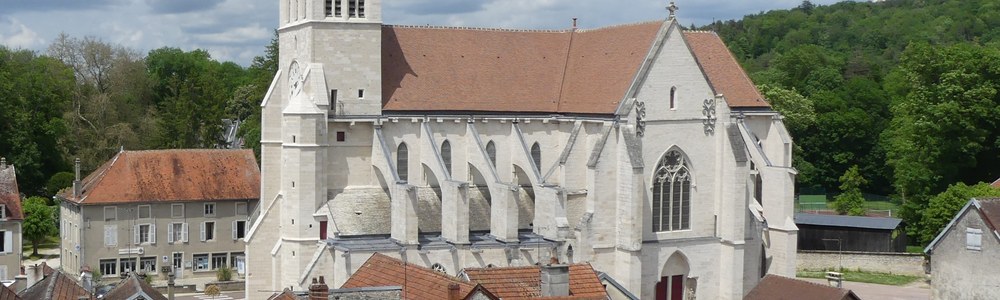
The Musée de la Résistance de l'Aube was founded in 1971 and has been rebuilt. Admission costs 3 euros, 5 euros with a guided tour. The museum is closed from November to April.
Bar-sur-Aube and Bayel
- Saint-Pierre in Bar-sur-Aube: the church has a wooden gallery that was probably used by the merchants at the market.
- Saint-Maclou: the tower is a remnant of the counts’ castle.
- Sainte-Germaine: the 349-metre hill above the town.
- Musée du Cristal in Bayel: the museum and the glass workshop are open, in 2026 from 27 January to 19 December. Admission costs 10 or 5 euros for adults and 7 or 4 euros for ages 7–17 – as we read the price list, with and without glassblowing. The crystal factory itself has closed down.
The abbey of Clairvaux
Bernard of Clairvaux founded the Cistercian abbey in Ville-sous-la-Ferté in 1115. Napoleon turned it into a prison in 1808, and the prison was closed down in 2023.
- Guided tours only: you cannot walk round on your own. The regular tour takes approx. 1 hour 30 minutes and costs 9.50 euros, 6 euros for ages 18–25 and is free for children. Call 03 25 27 52 55 to book.
- The punishment block: the Quartier disciplinaire costs 10 euros, with an age limit of 11.
- Autumn 2026: Wednesday–Sunday at 10.30am and 2.30pm until 20 December, closed on 25 November, 3 December and 10 December.
- Closed for the winter 21 December 2026–2 February 2027. The times for 2027 have not been published. In July and August there are tours every day.
- The cloister: the Grand Cloître has been closed since January 2024 because of restoration. The sources say the work will last until 2027 or the first half of 2028. The tour goes through the 12th-century lay brothers’ building instead.
Over 1,000 of the manuscripts from the abbey library are in the media library in Troyes and have been on UNESCO’s Memory of the World register since 2009. See abbayedeclairvaux.com.
Colombey-les-Deux-Églises
Colombey lies in the neighbouring department of Haute-Marne, not in the Aube. This is where Charles de Gaulle lived, and here you find the Mémorial Charles de Gaulle, the house La Boisserie and the great Cross of Lorraine.
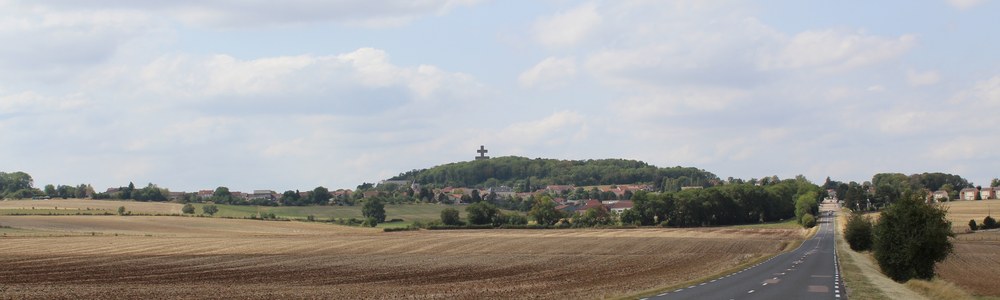
- Prices: the Mémorial, the Boisserie and the cross together 16.50 euros, 10 euros for ages 6–11 and 50 euros for a family. The Mémorial only 13.50 euros, the Boisserie 6.50 euros and the cross 4 euros.
- Open: 1 April–30 September every day 10am–6pm, 1 October–31 March Wednesday–Monday 10am–6pm. The Boisserie 10am–1pm and 2pm–6pm.
- Closed: all of January, and 24, 25 and 31 December.
You will find tickets on memorial-charlesdegaulle.fr.
Route du Champagne en fête 31 July–1 August 2027
On 31 July and 1 August 2027 the Vallée de la Sarce hosts the Route du Champagne en fête festival. The location changes: in 2025 it was Les Riceys, in 2026 the right bank of the Vallée de l'Aube. The tourist office gives 25,000–40,000 visitors and sells the pass, which consists of a glass and a booklet. The programme is published by Cap'C and on routeduchampagne.com. Arrange a driver or stay the night nearby.
Champagne Day is on 22 October 2027.
Food in the Aube
- Chaource: cow’s milk cheese from Chaource in the south of the Aube, 27 kilometres from Troyes. AOC since 1970 and AOP since 1996.
- Andouillette de Troyes: sausage made from pig’s intestine and stomach, cooked for almost five hours. It has no AOC or IGP – the AAAAA label is the trade’s own.
- Prunelle de Troyes: a 40 per cent liqueur from the Cellier Saint-Pierre by the cathedral in Troyes, distilled since 1840.
- Cidre du Pays d'Othe: cider from the Pays d'Othe.
Getting to the Côte des Bar
- Train: Paris Est–Troyes runs 17 times a day, at the fastest in 1 hour 30 minutes. Approx. 10 direct trains a day continue from Paris Est to Bar-sur-Aube, in 1 hour 30 minutes to 2 hours, also stopping in Vendeuvre-sur-Barse. In the summers of 2025–2027 the line is closed between Nogent-sur-Seine and Troyes, with buses instead. In 2026 this was 29 June–30 August, and the dates for 2027 have not been published in what we have read.
- Car: the A5 runs through the area. The tourist office refers to the Magnant and Ville-sous-la-Ferté exits.
- By air: Paris Charles de Gaulle is 137 kilometres as the crow flies from Troyes and Orly 135. The car hire box on this page uses Charles de Gaulle.
- Without a car: we have not found any public transport between the wine villages – expect to need a car, and have one person who drives.
Best time: the Renoir house has regular opening hours from April to October, the Commanderie d'Avalleur and the museum in Mussy from May to October. Outside the season you should check each place before you go.
Eating and sleeping
In Gyé-sur-Seine Michelin recommends Le Garde Champêtre, a farm restaurant in a former railway hall with an organic kitchen garden. It is open Monday 12 noon–1.30pm, Thursday–Saturday 12 noon–1.30pm and 7.30pm–8.30pm and Sunday 12 noon–1.30pm. In Colombey, Hostellerie la Montagne has one star. The starred restaurants in the whole country are in our Michelin guide.
In Bar-sur-Seine Les Tonnelles has three stars and eleven rooms, and in Bourguignons Domaine de Montecristo has three stars. In Les Riceys you will find Le Clos des Cadoles. The hotels in the city are in the travel guide to Troyes.
Onward from the Côte des Bar
The lakes, the beaches and the cranes north of Bar-sur-Seine have a guide of their own: the Forêt d'Orient lakes. If you want to continue with wine, we have travel guides to Épernay, Reims and Auxerre.
4 days in the Côte des Bar
With four days between May and October you have time for Bar-sur-Seine, Les Riceys, Renoir’s Essoyes, Bar-sur-Aube, Clairvaux and Colombey. The route is by car – agree on who is driving before you taste, and book the guided tours in advance.
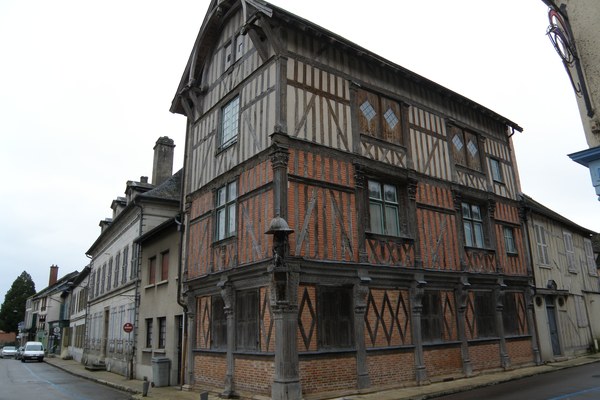
Bar-sur-Seine and the producers
Walk the half-timbered streets of Bar-sur-Seine, see the church of Saint-Étienne and take the 165 steps up the Tour de l'Horloge. In the afternoon you can visit the Templars’ Commanderie d'Avalleur or a producer that welcomes visitors, such as Chassenay d'Arce in Ville-sur-Arce.
- Tour de l'Horloge: 165 steps
- Commanderie d'Avalleur: 5 euros, May–October
- Chassenay d'Arce: 10 euros, from four people
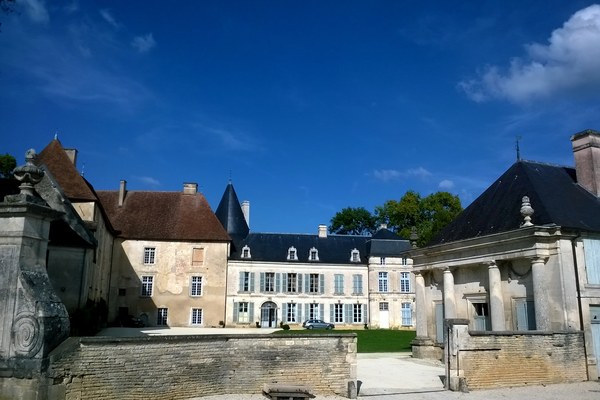
Les Riceys
See the three Renaissance churches in Les Riceys and the Château de Ricey-Bas, and walk the circular route to the cadoles, the dry-stone vineyard huts, from the viewpoint on the Route de Mussy. Have lunch at Le Garde Champêtre in Gyé-sur-Seine Thursday–Monday.
- 866 hectares and three appellations
- Rosé des Riceys: approx. 50,000 bottles a year
- Lunch: Le Garde Champêtre (book)
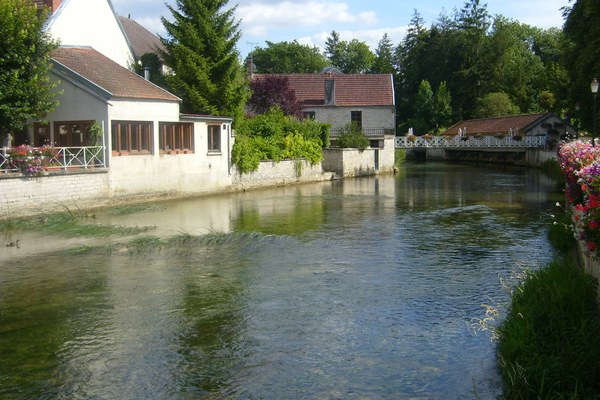
Essoyes and Mussy-sur-Seine
Spend the morning in Essoyes: the cultural centre, Renoir’s house and studio, and a stroll along the river Ource. Then drive to Mussy-sur-Seine and see the collegiate church and the Musée de la Résistance de l'Aube.
- Parcours Renoir: 12 euros
- Essoyes: closed Tuesdays outside July and August
- The museum in Mussy: 3 euros, May–October
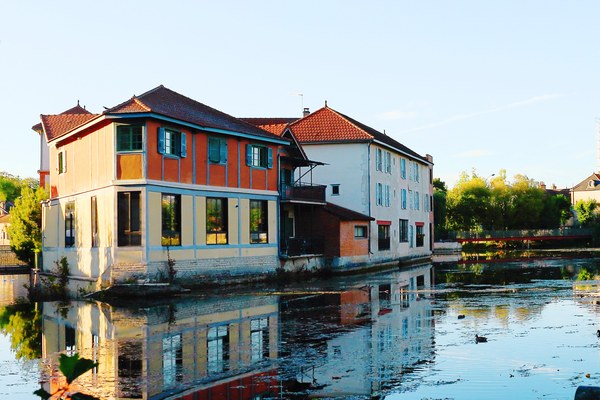
Bar-sur-Aube, Clairvaux and Colombey
See Saint-Pierre with its wooden gallery in Bar-sur-Aube. Take the guided tour of Clairvaux, which you book by phone, and drive to the Mémorial Charles de Gaulle in Colombey-les-Deux-Églises in the afternoon.
- Clairvaux: 9.50 euros, guided tours only
- Colombey: 16.50 euros for all three places
- Colombey is closed in January