
Gaillac lies approx. 25 kilometres from Albi and approx. 40 minutes by train from Toulouse. The winegrowers' joint organisation has the website vins-gaillac.com, and the tourist office for Gaillac and Cordes is called La Toscane Occitane. The prices and opening times in this guide are from the sources in November 2026 – check them before you go.
Before you go – driver, bicycle and winter
- Driver: the estates are spread out. If you are tasting at several places, let one person be the driver, or take the train and hire bicycles.
- The abbey church: the church of the Abbaye Saint-Michel has been closed for restoration since June 2024, and the reopening is planned for 2029. The Maison des Vins and the Musée de l'Abbaye in the same complex are open.
- Winter 2026/27: the Maison des Vins is open Monday–Saturday, and the restaurant at Château de Salettes is closed for the winter.
- Call first: check the opening times with the estate before you go. At Plageoles there is only tasting by appointment from 10 September to 20 October.
One of the oldest wine regions in France
The winegrowers' organisation calls Gaillac one of the oldest wine regions in France and the oldest in southwest France. Wine came with the Romans after the conquest in the 2nd century BC, and in Montans there were workshops that made amphorae.
- The abbey: the Benedictines of the Abbaye Saint-Michel became the centre of the wine trade. The abbey dates from 972, the same year that the Bishop of Albi gave Gaillac to the abbot.
- “Vins du Coq”: the cockerel was marked on the barrels from 1397 and recognised in 1501.
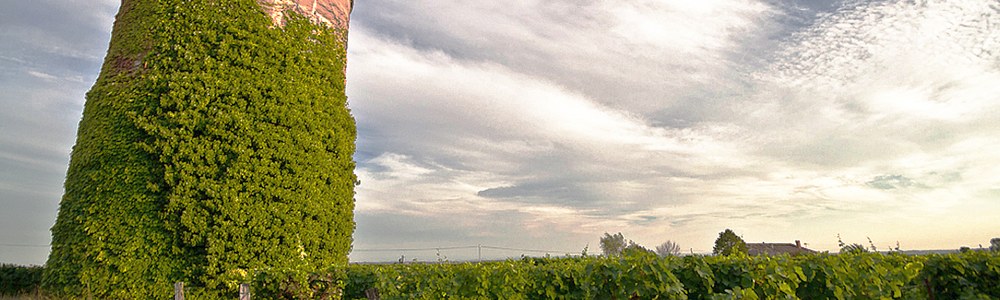
- The dovecotes: only pigeon droppings were to be used in the vineyards, which is why there are dovecotes in the area.
- Phylloxera: the vine louse destroyed almost all the vineyards in 1879–1884.
The appellations and the figures
Gaillac received AOC status for white wine in 1938 and for red and rosé in 1970. In 2011 came “Vendanges Tardives” for late-harvested sweet wines, and since 2017 the local grapes have been allowed to stand alone on the label.
- The appellations: AOP Gaillac, AOP Gaillac Premières Côtes and IGP Côtes du Tarn.
- The vineyards: 6,800 hectares, 68 per cent red and 32 per cent white. 3,150 hectares are AOP.
- The producers: approx. 300 estates – 120 with their own cellar, two cooperatives and one négociant. An average estate has 30 hectares.
- Organic: 80 estates with 1,100 hectares, 16 per cent of the area.
- The cooperative: the cooperative in the Abbaye Saint-Michel from 1903 was one of the first in France.
The six terroirs
The climate is influenced by the Atlantic, the Mediterranean and the vent d'Autan wind. The winegrowers divide the area into six zones:
- Plateau cordais: limestone 200–300 metres above sea level around Cordes. Here the grapes are harvested 10–15 days later.
- Coteaux de la Rive Droite: clay and limestone on the right bank of the Tarn, from Castelnau-de-Lévis to Rabastens.
- Terrasses de la Rive Gauche: gravel and “boulbènes” over 30 kilometres from Florentin to Couffouleux. Duras and len de l'el are grown here, and vendanges tardives are made.
- Cunac: schist east of Albi, with gamay and primeur.
- Cabanès and Lavaur: IGP Côtes du Tarn.
The grapes
The winegrowers call them “cépages millénaires”, thousand-year-old grapes. Some of them had almost disappeared after phylloxera.
- Mauzac: a white grape and the only one in the méthode ancestrale. The name may come from Moissac. Mauzac is also grown in Limoux, and there are variants such as mauzac rose, vert and noir.
- Len de l'el (loin de l'œil): “far from the eye” – the bunch hangs far from the bud. Used in dry and sweet wines and in vendanges tardives.
- Ondenc: almost gone after phylloxera, and the main grape only in vendanges tardives.
- Muscadelle and sauvignon: the other white grapes.
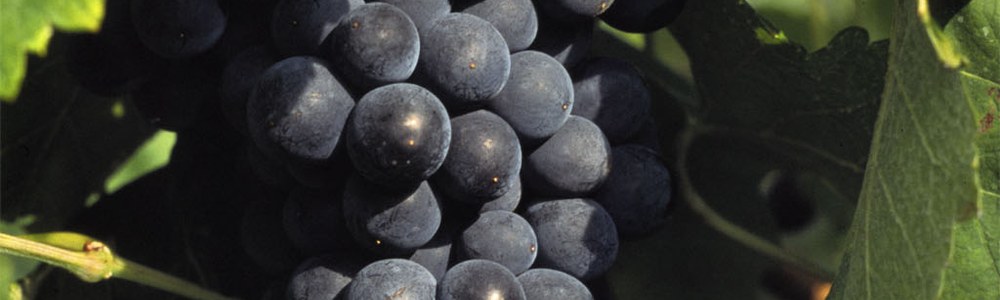
- Braucol (fer servadou): a red grape that may have come from the Basque Country with the pilgrims. Tastes of blackcurrant and raspberry.
- Prunelart: often confused with malbec, which is a descendant of it. Also almost gone after phylloxera.
- Duras, syrah and gamay: the other red grapes.
The styles – from perlé to primeur
These styles are made under AOP Gaillac:
- Dry white and dry white perlé, with a light sparkle.
- Sweet white and vendanges tardives from late-harvested grapes.
- Sparkling: méthode ancestrale from mauzac and méthode traditionnelle. The organisation uses the name méthode ancestrale – “méthode gaillacoise” is not on its list.
- Rosé and red.
- Primeur: red and white primeur, young wine released in November.
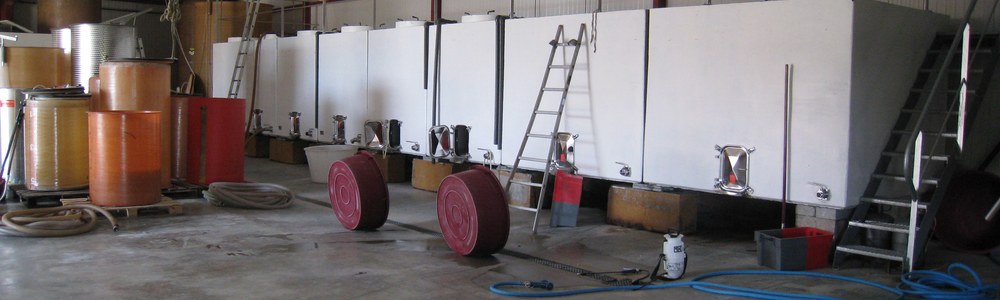
Vin de voile, wine that matures under a veil of yeast, is not on the list of AOP styles. Château de Mayragues sells a vin de voile.
The Maison des Vins in the Abbaye Saint-Michel
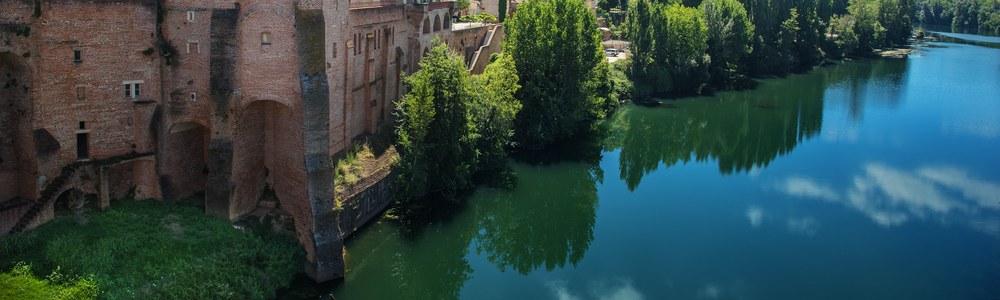
The abbey of Saint-Michel was founded in 972 on the ruins of a Gallo-Roman villa by the Tarn, and the abbey was the port from which the wine went to Bordeaux. Today the Maison des Vins de Gaillac is in the complex, with over 100 wines from the area.
- Open: January–April and October–December Monday–Saturday 10am–12.30pm and 2–6pm. May–June and September every day 10am–1pm and 2–6pm, July–August 10am–1pm and 2–7pm. Closed 1 January, 1 May, 1 November and 25 December.
- Tasting courses: the last Saturday of the month, 30–40 euros. The dates in 2027: 30 January, 27 February, 27 March, 24 April, 29 May and 26 June.
- Summer: the wine bar L'Ampélographe, and apéro concerts in the garden on Fridays in July and August.
- Musée de l'Abbaye: in the vaulted cellars, about Gaillac, the wine and the church from Roman times. 1 October–30 April Monday–Saturday 10am–12.30pm and 2–6pm, May–September every day.
- Telephone: 05 63 57 15 40.
See the Maison des Vins and the tourist office page about the Abbaye Saint-Michel.
Estates that welcome visitors
Call or book before you go. With the Pass Vigneron for 25 euros, up to six people get a visit to the cellar and vineyard with a tasting at a producer of their choice. The pass is sold at the tourist offices.
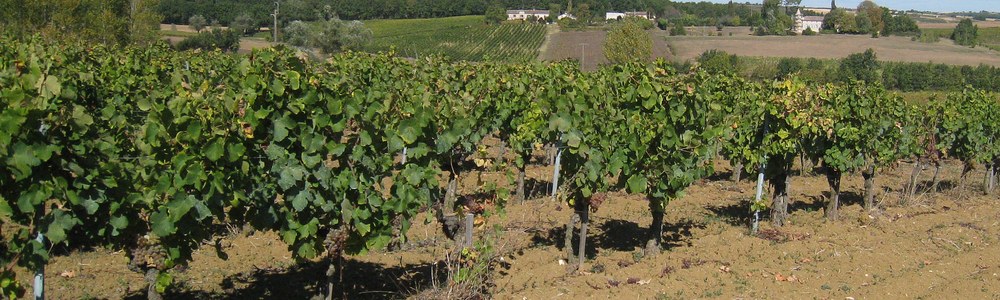
- Domaine Plageoles, Cahuzac-sur-Vère: 20 hectares with, among other things, mauzac in several variants, verdanel and ondenc. The cellar is open Monday–Saturday all year round 9am–12pm and 3–6pm. From 10 September to 20 October tasting by appointment only. See vins-plageoles.com.
- Château de Mayragues, Castelnau-de-Montmiral: a biodynamic estate in a listed château, with a cellar open to the public and guest rooms. The opening times are not in our sources. See chateau-de-mayragues.com.
- Domaine Rotier: an organic estate with tours and experiences. The times are not in our sources. See domaine-rotier.com.
- Château de Salettes, Cahuzac-sur-Vère: an estate with a four-star hotel, spa and restaurant. See chateaudesalettes.com.
- Vignobles Gayrel: cellars in Gaillac, 103 avenue du Maréchal-Foch, and in Lescure-d'Albigeois. See lesvignoblesgayrel.fr.
The tourist office also has a list of estates with the Vignobles & Découvertes label, among them Jérôme Bézios in Montans, Domaine de Larroque in Cestayrols, Domaine Salvy in Cahuzac-sur-Vère and Château de Saurs and Château Lastours in Lisle-sur-Tarn.
The wine route and cycling
Gaillac has had the Vignobles & Découvertes label since 2010, and the wine region is part of Iter Vitis, the Council of Europe's cultural route for wine. The tourist office has its own wine route from Rabastens to Albi, and the winegrowers recommend the wine walk “Le Vallon de la Caude” in Cestayrols.
- Bicycle hire: Velo Oxygen and VéloFLOW in Gaillac and Les vélos de Léonce in Lisle-sur-Tarn.
- Train with a bicycle: the train from Toulouse stops in Rabastens, Lisle-sur-Tarn, Gaillac and Cordes-Vindrac, and you can bring your bicycle.
- Free town shuttles: “Sillone” runs in Gaillac, Graulhet, Lisle-sur-Tarn and Rabastens/Couffouleux.
The Fête des Vins, primeur and the grape harvest
- Fête des Vins de Gaillac: the first weekend in August in the Parc de Foucaud, with over 45 winegrowers. Free for under-18s, and dogs are not allowed in the park. The date for 2027 has not been published.
- Gaillac Primeur: “Chai Mon Vigneron – Gaillac Primeur” was on 19–22 November 2026. The date for 2027 has not been published.
- Vignobles en Scène: the third weekend in October. In 2026 it was on 16–18 October, with a walking banquet for 42 euros.
The events are listed by Vins de Gaillac.
The town of Gaillac
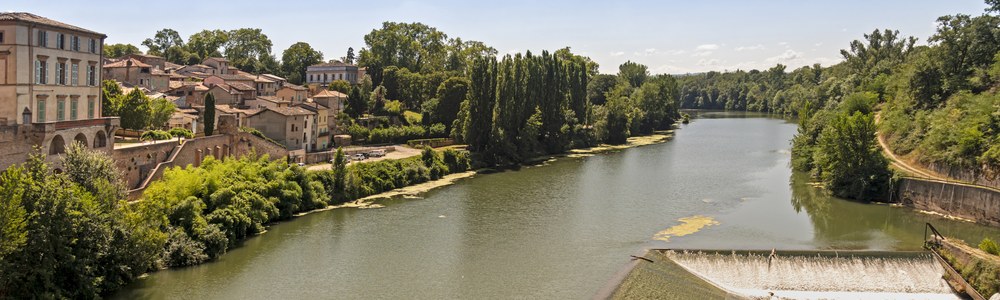
Gaillac has around 16,000 inhabitants and the “Ville d'Art et d'Histoire” label. There is a market on Fridays – the big one – and on Sundays on the place du Griffoul.
- Parc de Foucaud: a French garden of 4 hectares inspired by the Villa d'Este, free all year round. The château houses the Musée des Beaux-Arts with art from the 19th and 20th centuries. Approx. 15 minutes on foot from the centre.
- Musée d'histoire naturelle Philadelphe Thomas: a natural history museum, with an exhibition about the collector Philadelphe Thomas in 2026.
- The old town: the Hôtel de Bens, the Tour Palmata from the 13th century and the Portanelle quarter.
When should you go?
- May–June and September: the Maison des Vins is open every day, the vineyards are green, and the restaurant at Château de Salettes is open.
- July–August: the Fête des Vins on the first weekend in August, apéro concerts and the wine bar L'Ampélographe.
- October–November: Vignobles en Scène in October and primeur in November. At Plageoles there is only tasting by appointment from 10 September to 20 October.
- December–April: the Maison des Vins and the museum are open Monday–Saturday.
Getting to Gaillac
- By air: Toulouse-Blagnac is approx. 84 kilometres and 1 hour and 6 minutes by car from Albi. The car hire box on this page uses Toulouse.
- From the Nordic countries: the airport in Toulouse has its own pages for Oslo and Copenhagen with Norwegian, but the 2026/27 season is not listed there. Check with the airline.
- By train: Toulouse–Gaillac takes approx. 40 minutes by TER on the line towards Figeac.
- From Albi: approx. 25 kilometres and 22 minutes by car, or the liO bus 702 or 712 from the place Jean-Jaurès.
- To Cordes: the train from Gaillac continues to Cordes-Vindrac, 5 kilometres from Cordes.
Routes and round trips are in Road trips in France, and the city where the plane lands is in the travel guide to Toulouse.
Eating and sleeping among the vineyards
In Gaillac, Vigne en Foule has a Bib Gourmand in the Michelin Guide. It is a bistro, wine bar and wine shop with over 200 wines, and the head chef is Martin Mazières. Open Monday–Saturday. Château de Salettes in Cahuzac-sur-Vère has 18 rooms and four stars, and the restaurant is open May–October. In the town of Gaillac, La Verrerie is the only three-star hotel, with 14 rooms.
By the Tarn between Albi and Gaillac lies the four-star Les Pommiers d'Aiguelèze, and in Cahuzac-sur-Vère the three-star Le Soleil des Bastides. More campsites are in Camping in France.
Onward from Gaillac
The cathedral, the Musée Toulouse-Lautrec and the Pont Vieux are in the travel guide to Albi, and the bastides north of the vineyards in Cordes-sur-Ciel and the bastides. Cahors, Madiran and Jurançon are in the wine guide to Southwest France, and Toulouse has day trips to Albi and the wine regions.
4 days with Gaillac wine
Each day stands on its own, with Albi or Gaillac as a base. Let one person be the driver, or take the train and a bicycle – and call the estates before you go.
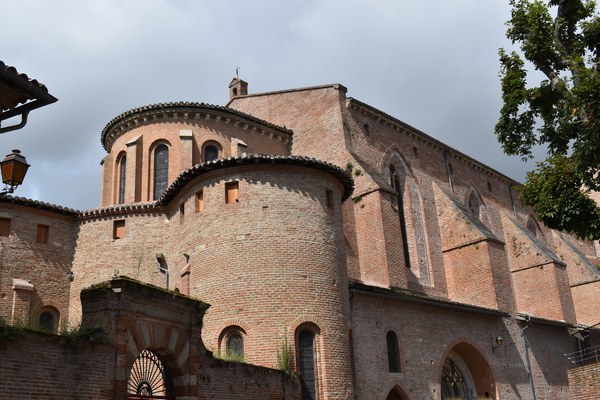
The town of Gaillac and the Maison des Vins
Start at the Maison des Vins and the Musée de l'Abbaye in the Abbaye Saint-Michel. Walk to the Parc de Foucaud, and finish at Vigne en Foule or at the market on the place du Griffoul.
- Maison des Vins: over 100 wines
- The abbey church: closed until 2029
- Parc de Foucaud: free all year round
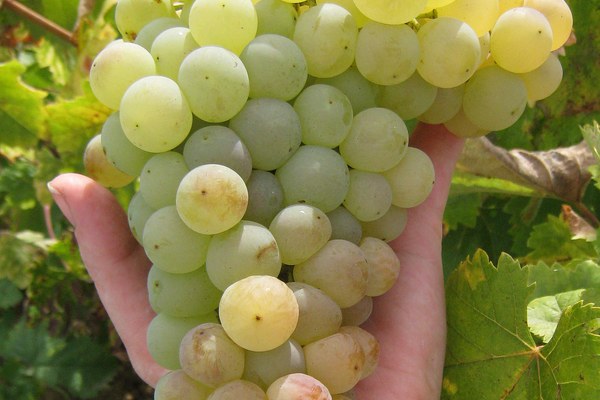
Cahuzac-sur-Vère
Taste mauzac, verdanel and ondenc at Domaine Plageoles, and eat at Château de Salettes in the May–October season.
- Plageoles: Monday–Saturday 9am–12pm and 3–6pm
- Salettes: estate, hotel and spa
- Wine tasting: let one person be the driver
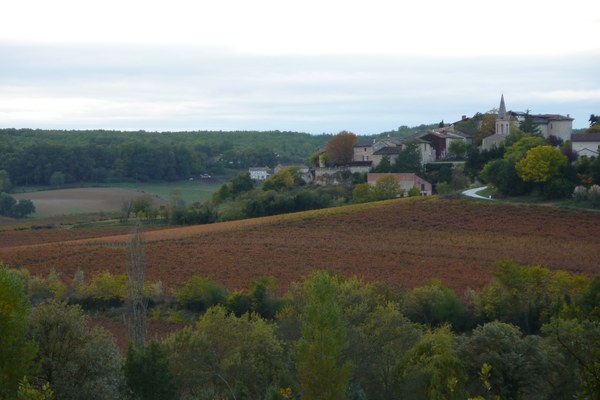
Castelnau-de-Montmiral and Mayragues
Drive to Castelnau-de-Montmiral and the Place des Arcades. Call Château de Mayragues before the visit, and continue north towards Cordes and the Plateau cordais.
- Castelnau: a bastide from approx. 1220
- Mayragues: biodynamic, with vin de voile
- Cordes: approx. 19 kilometres from Gaillac as the crow flies
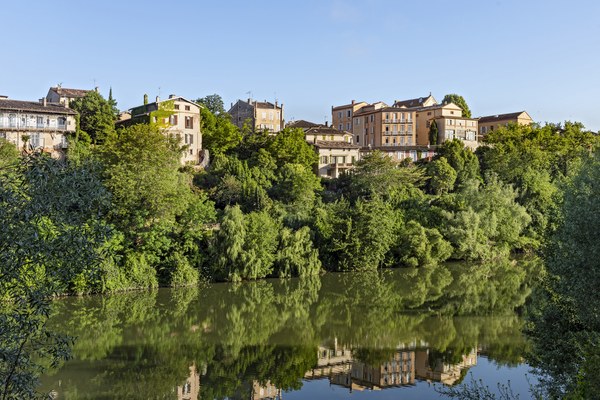
Lisle-sur-Tarn and Rabastens
Hire a bicycle in Lisle-sur-Tarn, see the large bastide square, and cycle between the vineyards. Take the train back from Rabastens after the frescoes in Notre-Dame-du-Bourg.
- Lisle-sur-Tarn: the square covers 4,425 square metres
- Rabastens: frescoes from the 14th and 15th centuries
- You can take your bicycle on the train