
The most important thing first: from Cahors it is approx. 16 minutes by car to Château de Mercuès and approx. 40 minutes to Puy-l'Évêque. Several wine estates only receive visitors by appointment, and the Cahors Malbec Lounge is closed from 1 October. The truffle market in Lalbenque is open on Tuesdays from 1 December 2026 to 2 March 2027. The prices and times in this guide are from the sources in November 2026.
Before you go – car, bus and appointments
- By car: from Cahors it is approx. 16 minutes to Mercuès, approx. 25 minutes to Luzech, approx. 40 minutes to Puy-l'Évêque and approx. 47 minutes to Château du Cèdre.
- Without a car: the liO buses 891 Vire-sur-Lot–Luzech–Douelle–Cahors and 890 Monsempron-Libos–Cahors. A journey costs 2 euros. On foot, the GR 36 runs from Cahors to Puy-l'Évêque, 52 kilometres.
- Appointments: Château du Cèdre and Clos de Gamot receive visitors for tastings by appointment. Check the opening times of the others before you go.
- Winter 2026/27: the Cahors Malbec Lounge is closed, and the free tasting at Vinoltis in Puy-l'Évêque runs April–October. The truffle season is December–March.
AOC Cahors – red wine only
Cahors became an AOC by decree on 15 April 1971, after having been a VDQS from 1951. According to the winegrowers' joint organisation UIVC, the rules and figures are these:
- Red wine only: at least 70 per cent malbec, with merlot and tannat as additional grapes. Many wines are nevertheless pure malbec.
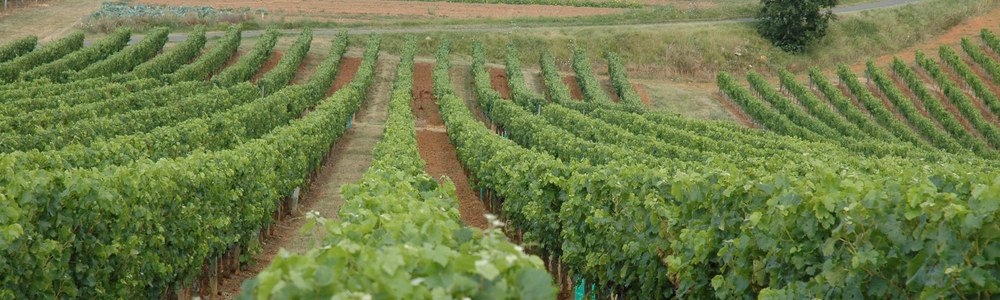
- The area: approx. 3,300 hectares planted (2020) in an appellation zone of 21,700 hectares in 45 municipalities, 60 kilometres long. Malbec makes up 85 per cent of the plantings.
- The producers: approx. 200 winegrowers and one cooperative, Côtes d'Olt in Parnac (Vinovalie). Together up to 15 million bottles.
- Yield: at most 50 hectolitres per hectare.
- White and rosé: from the area these are called AOP Coteaux du Quercy (red and rosé) or IGP Côtes du Lot.
See Vins de Cahors.
Auxerrois, côt and malbec
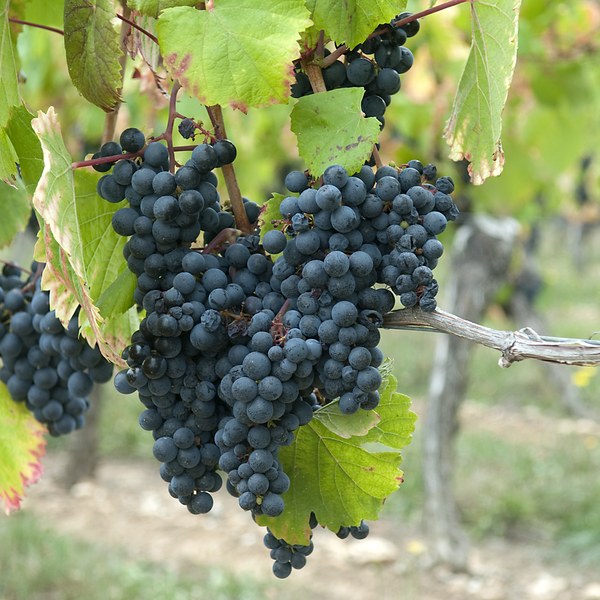
The grape has several names. The ampelographic name is côt, but in Cahors it is called auxerrois. Locally it has also been called “noir de Pressac”, “œil de perdrix” and “caours”. Internationally it is called malbec, after a M. Malbeck in the Médoc in the 18th century. Genetically it is a cross between magdeleine noire from the Charentes and prunelard.
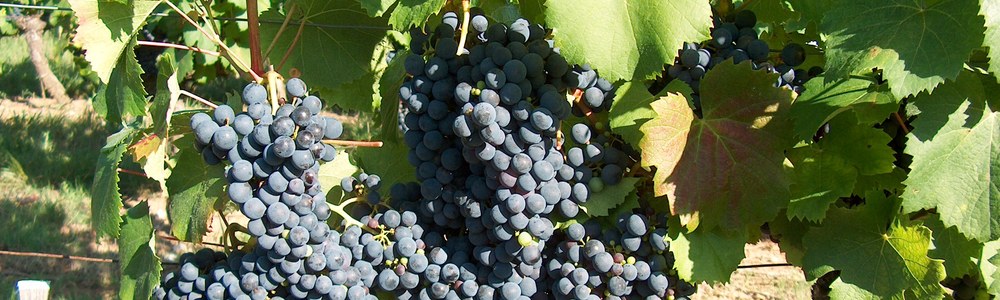
According to the UIVC, the grape went from Bordeaux to Argentina and Chile, probably in the second quarter of the 19th century. The tourist office links the journey to the time when phylloxera was ravaging the vineyards, and to Mendoza.
The history – from the Romans to the “black wine”
- Roman times: according to the UIVC there has been wine in the Quercy since Roman times, and Bishop Saint-Didier (approx. 580–655) is part of the history.
- 1531: François I bought wine from Cahors and had vines from Cahors planted at Fontainebleau.
- 16th century: the jurist François Roaldès wrote “Discours sur la vigne”. The name auxerrois has been documented for at least 600 years.
- 1876: phylloxera reached Cahors.
The tourist office has the heading “Le célèbre "Black Wine"” without explaining the expression. According to the tourist office, the wine was exported to England from the 12th century via Bordeaux, the tsars used it as a festive wine and the Orthodox Church as communion wine. The UIVC's history does not mention the tsars.
The frost of 1956
February 1956 was the coldest month of the 20th century. According to the UIVC, the Lot froze, the temperature stayed around minus 20 degrees for almost a month, and the vines froze and disappeared over large parts of the area. The vineyards up on the limestone plateau were hit hardest. In hindsight the frost has been seen as a shock that saved the wine, because it led to the focus on malbec.
Since then spring frost has struck in 1991, 2017 (80 per cent of the area) and 2019 (60–70 per cent loss).
The terraces by the river and the limestone plateau
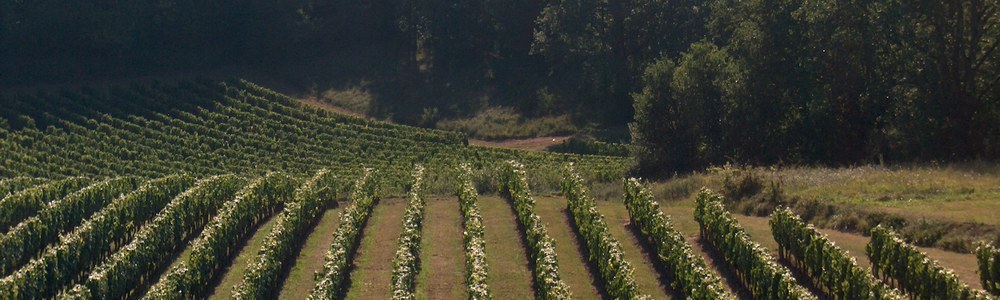
- The terraces in the Lot valley: approx. 60 per cent of the area, on river deposits at three terrace levels. The floodplain itself has no vines.
- Causse: the limestone plateau more than 250 metres above sea level, approx. 40 per cent of the area, with a local red plateau of “sidérolithique”.
The wine is exported mainly to the United Kingdom, the USA and Canada. Cahors and Coteaux du Quercy carry the Vignobles & Découvertes label.
The Cahors Malbec Lounge in the Villa Cahors Malbec
In the centre of Cahors, on the Place François-Mitterrand, lies the Villa Cahors Malbec with the tourist office and the Cahors Malbec Lounge. The lounge was set up in 2011 and is the UIVC's official place for information and tasting, with over 200 wines from Cahors and the Cahors glass with a ring on its foot.
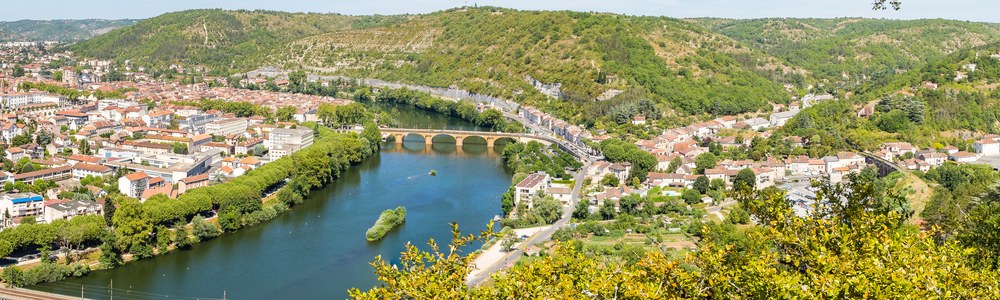
- Open: the UIVC gives 15 June–30 September, Monday–Saturday 11am–7pm, and closed from 1 October to 14 June. The tourist office has given other times for 2026 – check before you go.
- Blind tasting: the first Friday of the month, according to the tourist office.
Mercuès, Lagrézette and Haute-Serre
- Château de Mercuès (Mercuès, approx. 16 minutes): a four-star château hotel with 30 rooms above the Lot. The Vigouroux family has made wine here since 1983. The château has the restaurant La Table de Mercuès and offers tours and tastings.
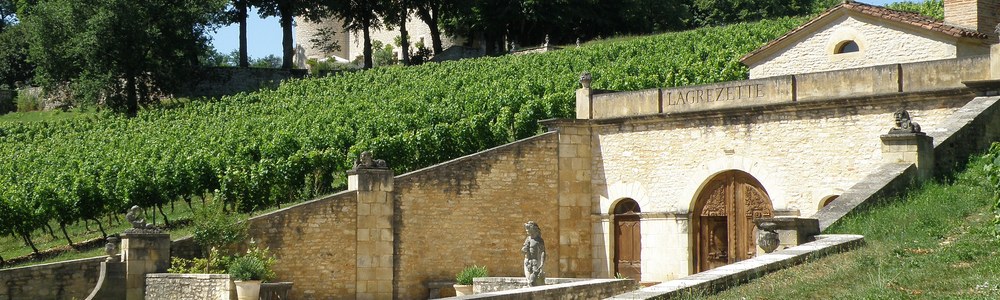
- Château Lagrézette (Caillac, approx. 17 minutes): a monument historique, with wine tourism workshops and stays in Le Moulin. The opening times have not been given – check before you go.
- Château de Haute-Serre (Cieurac, approx. 15 minutes): the Vigouroux family's wine estate on the limestone plateau south of Cahors, with the restaurant La Table de Haute-Serre, tours and tastings, truffle demonstrations and trips by scooter.
Château de Cayx, Luzech, Albas and Bélaye
Château de Cayx in Luzech has been owned by the Danish royal family since 1974. Since 2015 the cooperative group Vinovalie has made and sold the wine, under an agreement with Prince Henrik.
- The shop: open all year, Monday–Saturday 10am–12.30pm and 2–6pm.
- Groups: 10–40 people can arrange a visit with the park and Prince Henrik's collection of African and Asian art.
- Luzech (approx. 25 minutes): the Tour de l'Impernal and the Base nautique de Caïx, where you can hire canoes April–October.
- Albas (approx. 31 minutes) and Bélaye (approx. 41 minutes): villages in the wine area further west.
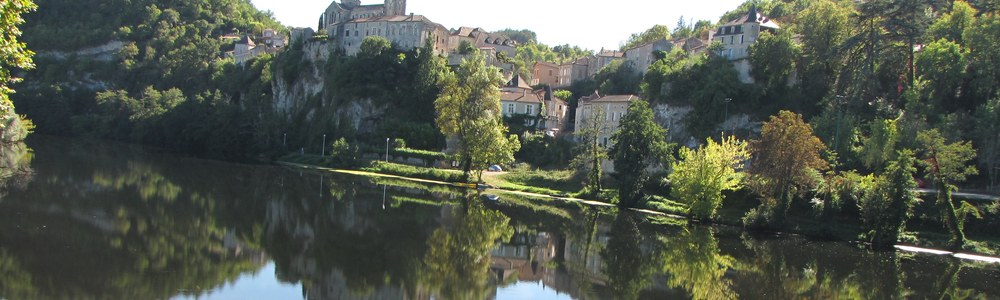
Houseboats can be navigated without a licence on 150 kilometres of the Lot with 34 locks between Luzech and Larnagol, past Cahors and Saint-Cirq-Lapopie.
The estates in the west – Cèdre, Triguedina, Chambert and Gamot
- Château du Cèdre (Vire-sur-Lot, approx. 47 minutes): the Verhaeghe family since 1973, organic. The shop is open Monday–Saturday 10am–12pm and 2–6pm, visits and tastings by appointment.
- Clos Triguedina (Puy-l'Évêque): the Baldès family, winegrowers since 1830.
- Château de Chambert (Floressas, approx. 43 minutes): a biodynamic wine estate, founded in 1690 according to the Michelin Guide. The shop is open 10am–7pm in June (Monday–Saturday) and in July–August (every day), 10am–5pm in September and 10am–5pm Monday–Friday in October–May. Guided tour in July–August Monday–Saturday at 10.30am and 3pm. Here you also find the restaurant Holodeck and the wine bar L'Everest at the top of the vineyards.
- Clos de Gamot (Prayssac): the Jouffreau family. Free tasting all year, by appointment only. According to the tourist office, Guillaume Jouffreau grafted malbec onto Herbemont in 1883–84, and large parts of Cahors were later planted with clones from here.
Puy-l'Évêque and Vinoltis
Puy-l'Évêque has around 1,900 inhabitants and lies on a rocky spur above the Lot. Here stand the bishop's tower from the 13th century (23 metres), the Château de Lychairie from the end of the 13th century, the Gothic church of Saint-Sauveur and the Chapelle des Pénitents.
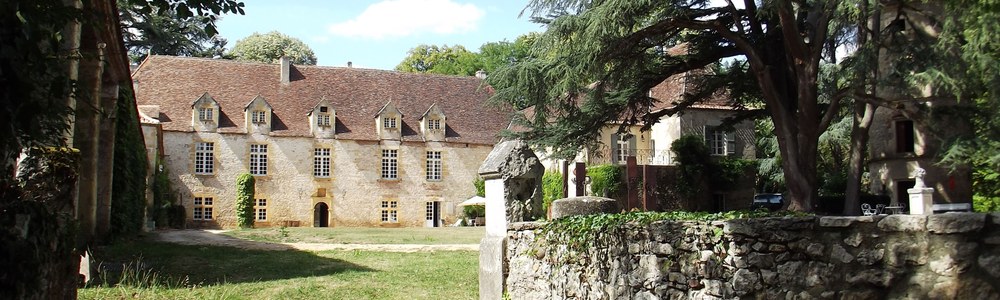
- Vinoltis: the tourist office and an interpretation centre for Cahors wine on the Place du Rampeau, with three rooms and a garden. Free self-service tasting April–October, and winegrowers are present on Mondays and Tuesdays in July and August.
- Les Dodus: the bistro with a Bib Gourmand in the Michelin Guide is closed while it moves from Puy-l'Évêque to 59 place d'Anglars in Anglars-Juillac. The Michelin Guide gives the move as the first quarter.
- From Cahors: approx. 33 kilometres and 40 minutes by car.
Château de Bonaguil – a castle, not a wine estate
Just across the border in the Lot-et-Garonne, in Saint-Front-sur-Lémance, lies Château de Bonaguil. The castle was mainly built in 1480–1520 by Bérenger de Roquefeuil, as a late medieval fortress adapted to firearms.
- Price 2026: 10 euros for adults and 5 euros for children.
- Open 2026: among other times March 10.30am–5.30pm, April–June 10am–6pm, July–August 10am–7pm, October–11 November 10.30am–5.30pm, and in the Christmas holidays 19–24 and 26–31 December 2–5pm.
- From Cahors: 52 kilometres and approx. 55 minutes by car.
See chateau-bonaguil.com.
Truffles and food from the Quercy
The truffle market in Lalbenque is on Tuesday afternoons from 1 December 2026 to 2 March 2027: retail sales under the market hall at 2.30pm, wholesale “au panier” at 3pm and a free demonstration of truffle hunting (“cavage”) at 3.30pm. Lalbenque is a “Site remarquable du goût”, and truffle growing there was entered in France's intangible cultural heritage in 2021. From Cahors it is approx. 24 minutes by car.
- Fête de la truffe: the truffle festival in Lalbenque is on 29–30 January 2027.
- Toques & Truffes: at Château de Mercuès 15 January–28 February 2027.
- Limogne-en-Quercy: truffle market on Friday mornings in winter, and summer truffles on Sunday mornings from mid-June to mid-August.
- Other food: rocamadour cheese (AOP, from raw goat's milk), pastis quercynois (a thin apple tart), saffron from Cajarc, walnuts, duck and foie gras.
See Lalbenque – Capitale de la truffe noire. For the market you can stay at the three-star La Tissandière in Lalbenque, with 6 rooms.
When should you go?
- May–June and September: the winegrowers have more time, Vinoltis has free tasting, and the Cahors Malbec Lounge opens on 15 June.
- July–August: guided tours at Château de Chambert, winegrowers at Vinoltis on Mondays and Tuesdays, and Château de Bonaguil is open 10am–7pm. It is also the busiest time.
- December–February: truffle season with the market in Lalbenque and Toques & Truffes at Mercuès. The Malbec Lounge and several hotels are closed.
Getting to the wine area
- By air: Toulouse Airport is 113 kilometres and approx. 1 hour and 30 minutes by car from Cahors. The car hire box on this page uses Toulouse.
- From the Nordic countries: Toulouse Airport has routes from Oslo and Copenhagen with Norwegian. The season has not been given – check with the airline. No Nordic routes have been found to Brive or Bergerac.
- By train: Cahors lies on the Paris–Toulouse line, with Intercités from Paris Austerlitz and TER to Toulouse and Brive.
- By bus in the wine area: liO 891 to Luzech and Vire-sur-Lot and 890 to Monsempron-Libos, 2 euros per journey. See liO Occitanie.
The city where the plane lands is in the travel guide to Toulouse.
Eating and sleeping among the vineyards
The Michelin Guide gives one star to three restaurants in the wine area. Les Jardins in Parnac lies in the cellar buildings of a former wine estate and is open on Fridays and Saturdays for lunch and dinner and on Sundays and Mondays for lunch. Le Gindreau in Saint-Médard lies in the old village school, has truffles as its speciality and is open Wednesday–Sunday. Holodeck lies in a restored barn at Château de Chambert, received its star in 2026 and has menus from 88 euros; it is open on Thursday evenings, Friday lunch and evening and Saturday evenings. Les Dodus (Bib Gourmand) is closed while it moves to Anglars-Juillac. At the wine châteaux, Château de Mercuès has La Table de Mercuès and Château de Haute-Serre La Table de Haute-Serre.
The four-star Château de Mercuès has 30 rooms, a spa and a pool – the season has not been given. In Puy-l'Évêque the three-star La Truffière has 10 rooms and a restaurant, and Le Gindreau has guest rooms and apartments. By the Lot in Anglars-Juillac lies the three-star Camping Base Nautique Floiras with 25 pitches and a canoe base, and near Puy-l'Évêque the three-star Village Camping Les Vignes with river swimming and the four-star Camping L'Évasion with a water park. More sites are in Camping in France.
Onward from the vineyards
The Pont Valentré, the cathedral and the market are in the travel guide to Cahors. The village on the cliff, the towpath and Pech Merle are in Saint-Cirq-Lapopie and the Célé Valley. More wines from the region are in Gaillac wine and in the wine guide to Southwest France, and further south-east lies Albi.
4 days in the Cahors wine country
Each day stands on its own, with Cahors or a wine village as a base. Several wine estates only receive visitors by appointment – check the opening times before you go.
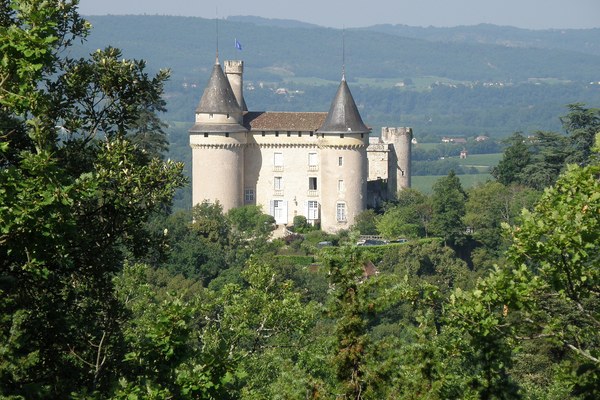
Cahors, Mercuès and Lagrézette
Start at the Cahors Malbec Lounge in the season, and then drive to Château de Mercuès and Château Lagrézette in Caillac. Finish at Château de Haute-Serre on the limestone plateau south of the town.
- Mercuès: approx. 16 minutes from Cahors
- Malbec Lounge: 15 June–30 September
- Check the opening times at the châteaux
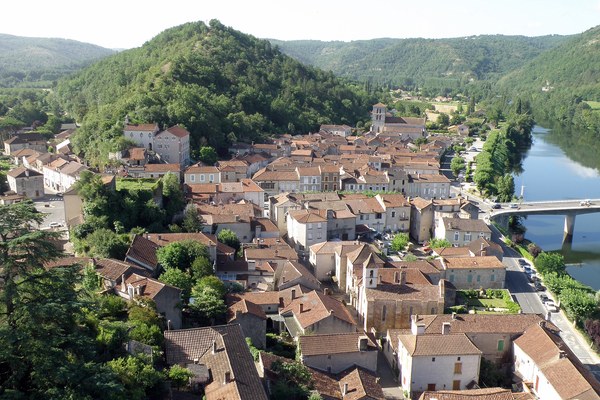
Luzech, Cayx and Albas
Visit the shop at Château de Cayx, see Luzech and drive on to Albas and Bélaye. From Friday to Monday you can have lunch at Les Jardins in Parnac.
- Luzech: approx. 25 minutes from Cahors
- The Cayx shop: Monday–Saturday
- Les Jardins: one Michelin star
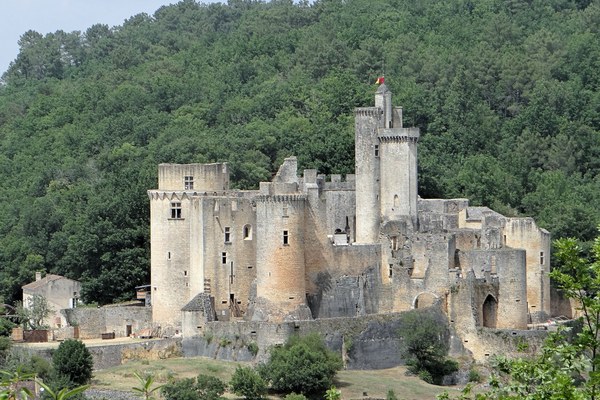
Puy-l'Évêque and Bonaguil
Taste for free at Vinoltis in Puy-l'Évêque in the season and see the bishop's tower above the Lot. Then drive on to Château de Bonaguil in the Lot-et-Garonne.
- Puy-l'Évêque: approx. 40 minutes from Cahors
- Vinoltis: free tasting April–October
- Bonaguil: 10 euros for adults (2026)
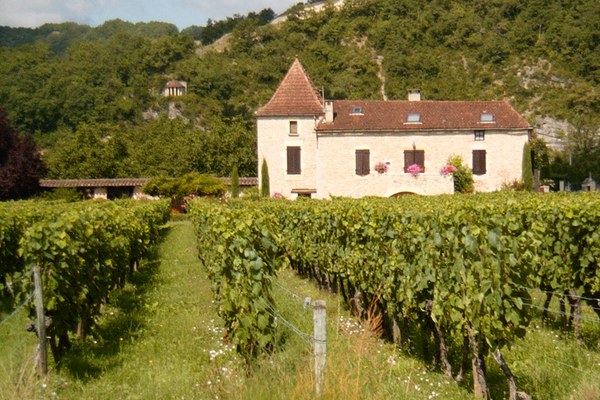
Chambert, Cèdre and Triguedina
Visit Château de Chambert in Floressas, Château du Cèdre in Vire-sur-Lot by appointment and Clos Triguedina in Puy-l'Évêque. Have dinner at Holodeck from Thursday to Saturday.
- Chambert: approx. 43 minutes from Cahors
- Château du Cèdre: tasting by appointment
- Holodeck: menus from 88 euros