
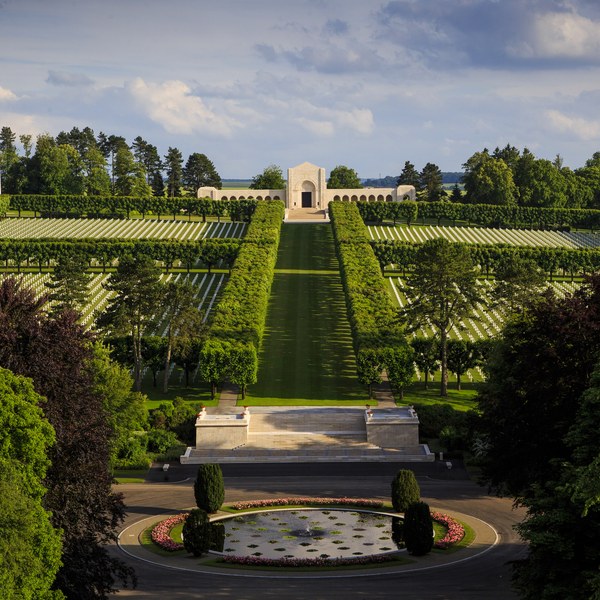
The places in this guide lie in the Meuse department in the Grand Est region, with a few just over the border in the neighbouring departments. The distances are as the crow flies from Verdun unless otherwise stated. The prices and times are from the sources in autumn 2026 – check them before you go, for example with the department’s tourist board on lameuse.fr.
Meuse-Argonne 1918
The Meuse-Argonne Offensive lasted from 26 September to 11 November 1918, and was the largest American battle up to that time. Today the memorial sites are scattered through forest and farmland between the Argonne forest and the Meuse. Expect to need a car, and set aside time for the driving between them.
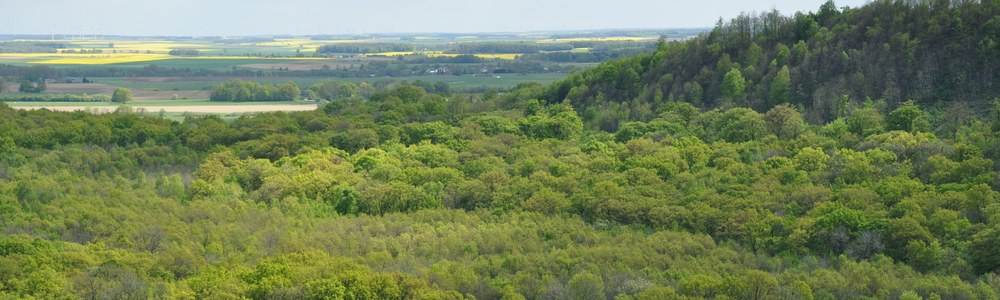
The American cemetery in Romagne
Meuse-Argonne American Cemetery in Romagne-sous-Montfaucon was dedicated in 1937 and is the largest American war cemetery in Europe by number of graves: 14,246 graves and the names of 954 missing, on around 53 hectares. It is 28.6 kilometres from Verdun.
- Open: every day 9am–5pm, last admission 4.45pm. The chapel closes at 4.15pm. Closed only on 25 December and 1 January.
- Price: free. The visitor centre opened in 2016.
- Getting there: there is no public transport here.
See abmc.gov, the website of the American Battle Monuments Commission. The village also has the private museum Romagne 14-18 – check the opening hours there.
Montfaucon American Monument
On the hill in Montfaucon, 21.6 kilometres from Verdun, stands a Doric granite column of over 200 feet, approx. 60 metres, dedicated in 1937. There are 234 steps to the viewing platform, and behind the monument lie the ruins of the church of Saint-Germain. The monument is open Monday–Friday 9am–4.45pm, except French and American public holidays, and is free. Meuse Attractivité gives 8am–4pm in autumn 2026, so check before you drive there.
Butte de Vauquois – the mine warfare
The hill is 290 metres high and had a village with around 170 inhabitants before the war. The mine warfare split it in two, and the craters are 10–20 metres deep. Close to 15,000 died on and under Vauquois. The site is protected.
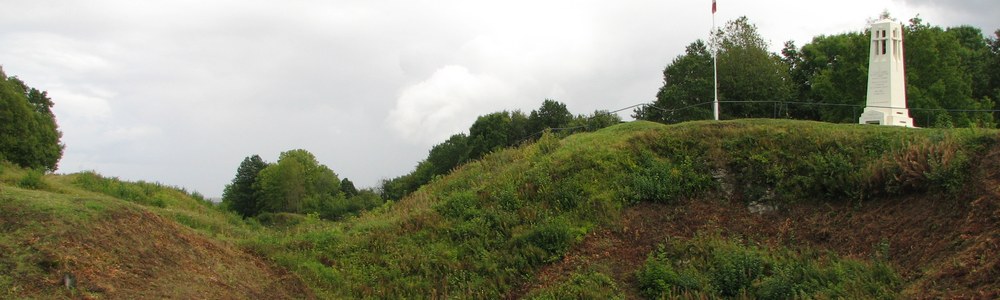
- On the surface: open access and free all year.
- The galleries: only with a guide. The first Sunday of the month from March to October from 9.30am, last tour before 3pm. Tuesday and Thursday in July and August at 2pm by prior booking. On 1 and 8 May and on the heritage days 9.30am–3.30pm.
- The tour: 2–3 hours, 5 euros, children 3 euros. It is 13–14 degrees down there. Wear closed shoes, and leave the dog at home.
- The la Maize necropolis in Vauquois: 4,368 soldiers, 1,970 of them in an ossuary.
The association Les Amis de Vauquois runs the guided tours: butte-vauquois.fr.
Haute Chevauchée and the forest
Near Lachalade in the Argonne forest stands the monument and ossuary of Haute Chevauchée from 1922, with the remains of approx. 10,000 unknown soldiers. Nearby are the trail in the ravin du Génie (1.2 kilometres) and the la Forestière necropolis, with hydrangeas. A circular walk of 10.5 kilometres starts in Lachalade. You can see the crypt by prior booking on telephone 06 37 21 35 21.
In Clermont-en-Argonne the church of Saint-Didier has a sculpture group of the Entombment attributed to Ligier Richier. Outside 15 June–15 September you collect the key from the tourist office. In Beaulieu-en-Argonne there is a wine press from the 13th century, built for 3,000 kilos of grapes, and in Les Islettes the Musée du Verre d'Argonne costs 5 euros. The tourist office in the Argonne has the website tourisme-argonne-meuse.fr.
Varennes and the flight of Louis XVI
In June 1791 Louis XVI and his family were on their way to Montmédy. The postmaster Drouet recognised him in Sainte-Menehould, and in Varennes-en-Argonne the carriage was stopped on the night of 21–22 June 1791, under the vault by the castle church. The family spent the night at the house of the procurator Sauce and were taken back to Paris. What happened before and after is in the article on the French Revolution.
- In Varennes: the “Itinéraire Louis XVI” has seven signs. The town was destroyed in 1914–18, and the Monument de Pennsylvanie commemorates the American 28th Division.
- The Musée d'Argonne is closed following a municipal order of 24 April 2025.
- Sainte-Menehould in the Marne, 36.3 kilometres from Verdun, is known for pig’s trotters, pied de cochon.
Saint-Mihiel and Ligier Richier
Saint-Mihiel is on the Meuse, 32 kilometres south of Verdun. The works of the sculptor Ligier Richier are in the churches of the town.
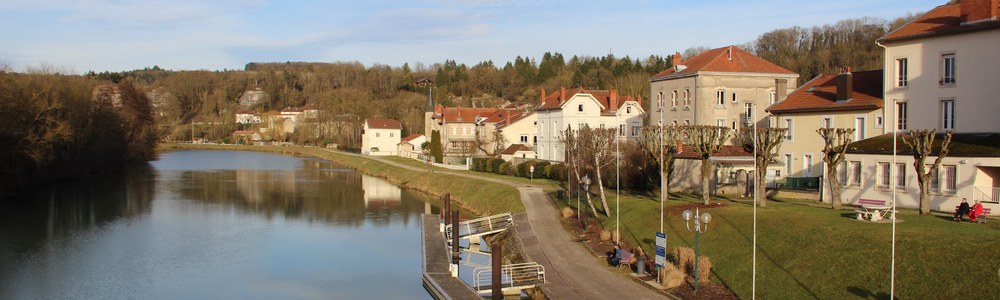
- Église Saint-Étienne: the “Sépulcre”, the Entombment with 13 figures in limestone.
- Église Saint-Michel: the “Pâmoison de la Vierge” and 80 choir stalls.
- Maison Ligier Richier: the family’s house 1535–1564, on request and for a voluntary payment.
- The Bibliothèque bénédictine with 8,800 volumes is temporarily closed.
- The salient: trenches in the Bois d'Ailly and the Bois brûlé, with open access.
The municipality’s website is saint-mihiel.fr. 22 kilometres from Verdun lies Les Éparges, with mine craters from the fighting Maurice Genevoix described in “Ceux de 14”.
Montsec American Monument
On the Butte de Montsec, 38.4 kilometres from Verdun, stands a circular colonnade with a map in bronze. The monument commemorates the fighting of 12–16 September 1918 and is free and always open. Guided tours must be booked. In Thiaucourt in Meurthe-et-Moselle is the St. Mihiel American Cemetery with 4,153 graves and 284 missing.
Lac de Madine
The Lac de Madine covers 1,100 hectares and is 37.9 kilometres from Verdun, in the Parc naturel régional de Lorraine. A circuit of the lake is 18 kilometres, and admission and parking are free. Nonsard is the place for families, with a water park, while Heudicourt is quieter. Dogs are not allowed on the beach.
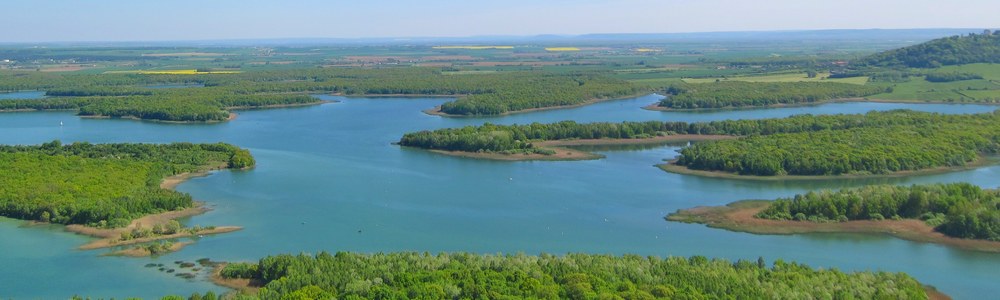
- Lifeguards in summer 2026: weekends from 13 June 12 noon–8pm, July and August Monday–Friday 12 noon–7pm and weekends 12 noon–8pm, weekends until 20 September. Swimming outside these times is at your own risk. The times for 2027 have not been published.
- Water park: from age 7, 10 euros for one hour and 8 euros for another hour (2026).
- The boat Cybèle: 1 hour 15 minutes, 13 euros, children 7 euros.
- Also: nine-hole golf course, sailing centre and camping 1 April–31 October 2027.
See lacmadine.com. The park has the website pnr-lorraine.com.
Hattonchâtel, wine and mirabelles
The fortified village of Hattonchâtel lies in the Côtes de Meuse, with a wide view. The altarpiece from 1523 is attributed to Ligier Richier. The American Belle Skinner paid for much of the rebuilding, and the château, which was rebuilt in 1923–28, is now a hotel.
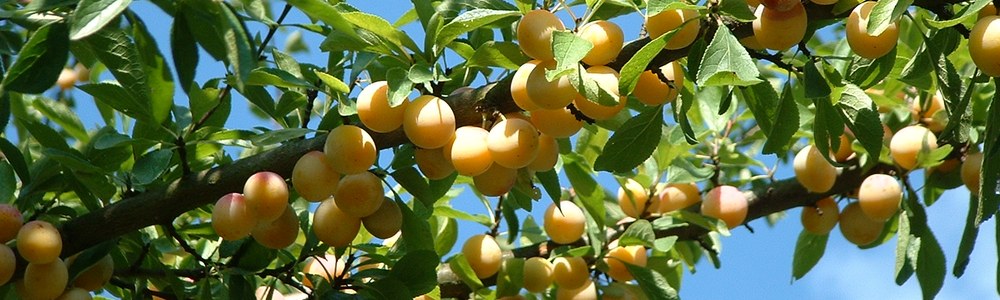
The wines from here have the designation IGP Côtes de Meuse, from 15 municipalities and close to 40 hectares according to the INAO. One of the places is Montgrignon in Billy-sous-les-Côtes. Among the vineyards are orchards and shops with mirabelles, the small yellow plum. If you are continuing west, you will find Champagne in the wine guide.
Commercy and the madeleines
Commercy, 46.6 kilometres south of Verdun, is the madeleine town. At La Boîte à Madeleines (Zins) you can watch the baking through glass Tuesday–Saturday 9.30am–11.30am and 2.30pm–5.30pm and Sunday 2.30pm–5.30pm. The shop is open every day. À la Cloche Lorraine has been baking since 1928. The ivory museum is open April–October 2027.
Dun-sur-Meuse and Stenay
In Dun-sur-Meuse the church of Notre-Dame-de-Bonne-Garde from 1346 stands on the castle hill. North of Dun lies Stenay with the Musée de la Bière, 2,500 square metres and 55,000 objects about beer.
- Musée de la Bière: 3.50 euros, free for under-18s. 1 March–30 November 10am–12.30pm and 1.30pm–5.30pm. Closed 2 December 2026–28 February 2027. See museedelabiere.com.
Montmédy and Avioth
The citadel of Montmédy stands on a hill 40 kilometres north of Verdun – this is where Louis XVI was heading in 1791.
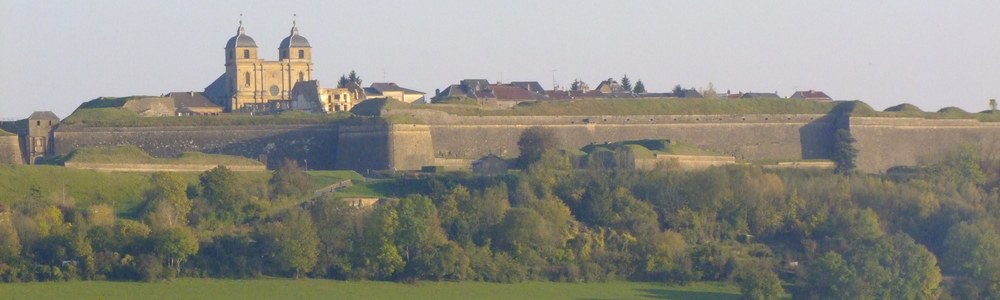
- Citadel and fortification museum: 1 March–31 October 2027 10am–6pm, closed on Tuesdays. 6 euros, reduced 4 euros.
- Guided tour: Saturdays in June–August, 8 euros. Torchlit tour on Fridays in July and August, 12 euros.
- The basilica in Avioth: open 7.30am–6.30pm in 2027.
- Marville: a “Petite Cité de Caractère”.
Camp Marguerre near Loison
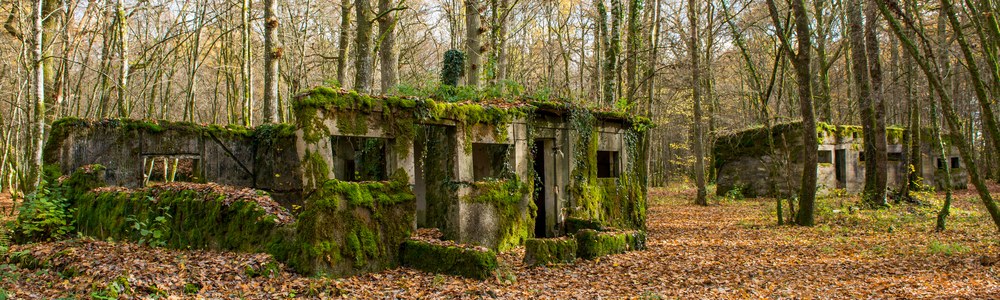
The German concrete camp from 1915, named after Captain Hans Marguerre, lies in the forest near Loison, north-east of Verdun – not in the Argonne forest. A waymarked path runs between the moss-covered buildings, and access is free. Approach it from Loison. Loison is 23.6 kilometres from Verdun.
La Meuse à vélo
La Meuse à vélo (EuroVelo 19) is 443 kilometres long in France, from Langres to Givet, and 180 of them run through the Meuse department. The route mostly follows small shared roads, with a separate cycle path at Verdun, Ancemont and Commercy.
- South of Verdun: Vaucouleurs–Commercy 27 kilometres, Commercy–Saint-Mihiel 23, Saint-Mihiel–Tilly 18 and Tilly–Verdun 22.
- North of Verdun: Verdun–Dun 45 kilometres, Dun–Stenay 16 and Stenay–Mouzon 30.
- Train: from Meuse TGV station there is a cycle link to the route.
The stages are from Meuse Attractivité. France Vélo Tourisme gives slightly different lengths for two of them. You will find more routes in The most beautiful bike rides in France.
The UNESCO sites in the Argonne and the Meuse valley
The funerary and memory sites of the First World War on the Western Front were added to the World Heritage List on 20 September 2023. In the Argonne and the Meuse valley these are included: Haute-Chevauchée and la Forestière in Lachalade, Meuse-Argonne American Cemetery, the la Maize necropolis in Vauquois, the German cemetery in Consenvoye, the Trottoir necropolis in Les Éparges and the German cemetery of Gobessart in Saint-Mihiel. The monument in Montfaucon and the Vauquois hill are not included.
The journey and the season
- Car: this is the easiest way. The A4 runs through the department, with junction 30 “Voie Sacrée” from Paris and Reims and 31 “Verdun” from Strasbourg and Metz. From Luxembourg it takes around 1 hour 30 minutes to Verdun, from Reims and Nancy 1 hour 15 minutes and from Metz one hour.
- Train: the TGV from Paris Est to Meuse TGV takes one hour, and from there a bus runs to Verdun. From Metz to Verdun there are 16 trains a day, in 1 hour 6 minutes at the fastest.
- By air: Luxembourg is 80 kilometres as the crow flies from Verdun and Paris Charles de Gaulle 206 kilometres. The car hire box on this page uses Charles de Gaulle.
- Season: April–October is the best time, when Montmédy, the Lac de Madine, the galleries at Vauquois and the Musée de la Bière are open at the same time. You can also visit the cemetery in Romagne, the monument at Montsec and the surface at Vauquois in winter.
Eating and sleeping
In Les Monthairons south of Verdun is Château des Monthairons, a four-star hotel in a 19th-century château on the Meuse with a spa and a Michelin-recommended restaurant. In Nonsard on the Lac de Madine, Michelin recommends La Mangeoire in a former farm, with a wine list from the Côtes de Meuse: Wednesday–Sunday for lunch and Friday–Saturday in the evening. By Madine, Hôtel du Lac de Madine in Heudicourt has three stars, a spa and a restaurant.
In Varennes, Hôtel du Grand Monarque is on the square by the church, without a star rating. The town with the most beds is Verdun – you will find the hotels and restaurants there in the travel guide to Verdun. More starred restaurants in the country are in our Michelin guide.
Onward from the Meuse
The battlefield from 1916 has a guide of its own: Douaumont and the Verdun battlefield. The long view of French history is in The history of France, and the surrounding cities are in the travel guides to Metz, Nancy, Reims and Troyes.
4 days in the Argonne and the Meuse valley
The route is by car and has Verdun as its base. Make day 1 a weekday, as Montfaucon is closed at weekends, and day 4 any day but Tuesday, when the citadel in Montmédy is closed. If you want to go down into the galleries at Vauquois, the first Sunday of the month from March to October suits.
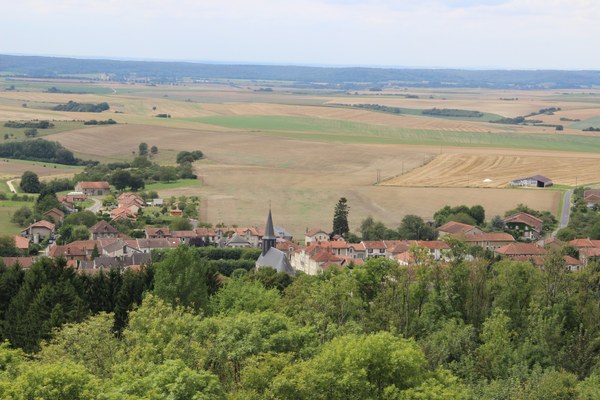
Montfaucon and Romagne
Climb the 234 steps of the monument in Montfaucon and see the ruins of the church. Drive on to the cemetery in Romagne and walk between the grave plots to the chapel.
- Montfaucon: Monday–Friday, free
- Romagne: every day 9am–5pm, free
- No public transport
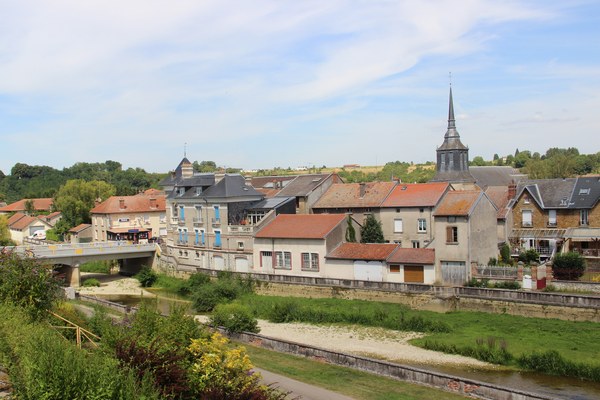
Vauquois, Varennes and Haute Chevauchée
Walk over the craters on the Butte de Vauquois, follow the Louis XVI signs in Varennes and end at the ossuary of Haute Chevauchée in the forest.
- Vauquois: the surface is open all year
- The galleries: 5 euros, only with a guide
- The Musée d'Argonne is closed
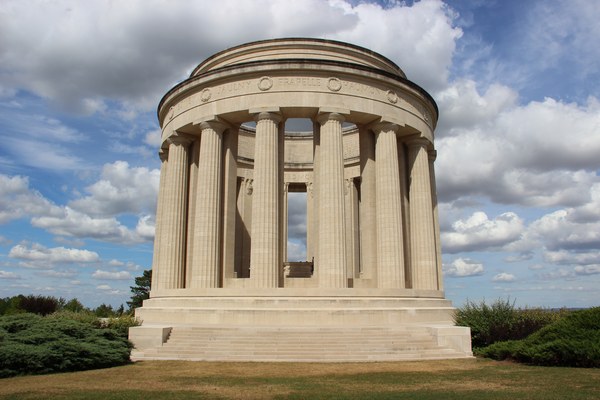
Saint-Mihiel, Montsec and Madine
See Richier’s “Sépulcre” in Saint-Mihiel, drive up to Montsec and spend the afternoon by the Lac de Madine. Hattonchâtel is nearby.
- Montsec: free and always open
- Lifeguards in July and August (2026)
- The boat Cybèle: 13 euros
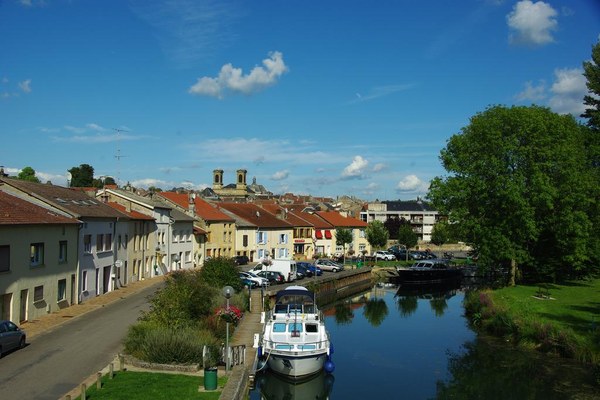
Dun, Stenay and Montmédy
Follow the Meuse north to the church on the castle hill in Dun and the beer museum in Stenay, and visit the citadel in Montmédy after lunch. On the way back you can take a walk in Camp Marguerre near Loison.
- Musée de la Bière: 3.50 euros, March–November
- Montmédy: 6 euros, closed on Tuesdays
- The basilica in Avioth is in the same area