
The most important thing first: from Royan it is approx. 48 minutes by car to Le Château-d'Oléron, over the bridge that costs nothing. You can see Fort Boyard from land and from a boat, but you cannot visit it. The oyster museum Cité de l'Huître in Marennes is closed, so taste the oysters at the restaurants instead. The prices and times in this guide are from the sources in November 2026.
Before you go – car, bus and season
- By car: from Royan it is approx. 42 minutes to Brouage, approx. 48 minutes to Le Château-d'Oléron, approx. 1 hour and 3 minutes to La Cotinière and approx. 1 hour and 20 minutes to Phare de Chassiron. The road crosses the Seudre bridge and passes Marennes.
- Without a car: there is no direct bus between Royan and Oléron. The regional buses require a change, see The journey to Oléron.
- Summer traffic: we have not found any official information about the queues over the bridge in July and August. The driving times in this guide are without traffic, so allow extra time in the high season.
- Winter 2026/27: the citadel and the huts in Le Château-d'Oléron are open all year, and Phare de Chassiron has winter hours from 3 November 2026. Several restaurants take a winter break.
The island and the bridge
The tourist office calls Oléron the largest French island on the Atlantic coast – not the largest in France, which is Corsica. The island covers around 170 square kilometres, has around 23,000 inhabitants and is divided into eight communes: Saint-Trojan-les-Bains, Le Grand-Village-Plage, Le Château-d'Oléron, Dolus-d'Oléron, Saint-Pierre-d'Oléron with La Cotinière, Saint-Georges-d'Oléron with Boyardville, La Brée-les-Bains and Saint-Denis-d'Oléron.
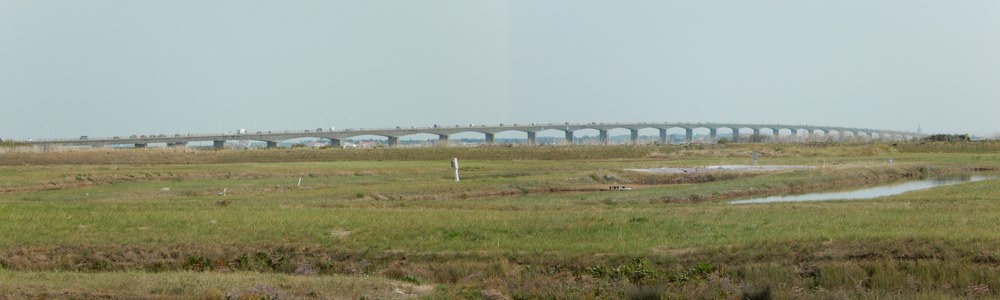
- The bridge: opened on 21 June 1966, 3,027 metres long and 10.90 metres wide, on 45 piers. The toll was abolished in 1991.
- Free: there is no toll on the Oléron bridge, nor on the Seudre bridge or the Charente bridge at Rochefort. It is the bridge to Île de Ré that costs money.
- The length: the bridge was the longest in France until 1974 and is today the third longest, after the bridge at Saint-Nazaire and the bridge to Île de Ré.
See L'île d'Oléron – Île d'Oléron Marennes Tourisme. More islands along the coast are in The best islands.
Le Château-d'Oléron – the citadel and the coloured huts
Le Château-d'Oléron is the old main town of the island. The citadel was begun in 1630 on the orders of Richelieu, with the engineer Pierre d'Argencourt and later Louis Nicolas de Clerville, and was completed in 1700 under Vauban. It was bombed on 17 April 1945, and the commune bought and restored it from the mid-1980s.
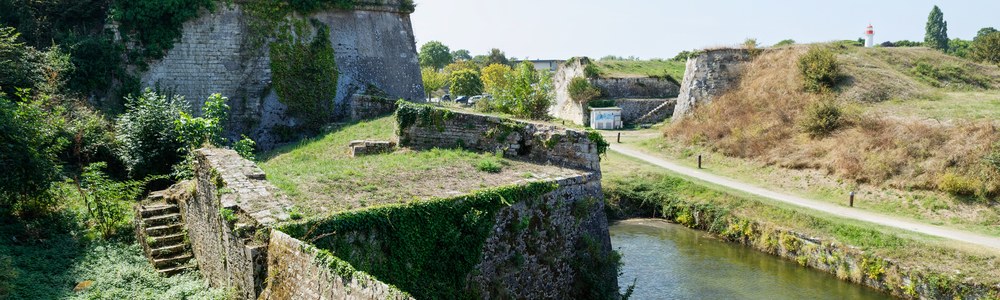
- The citadel: free admission all year, and guided tours in the school holidays.
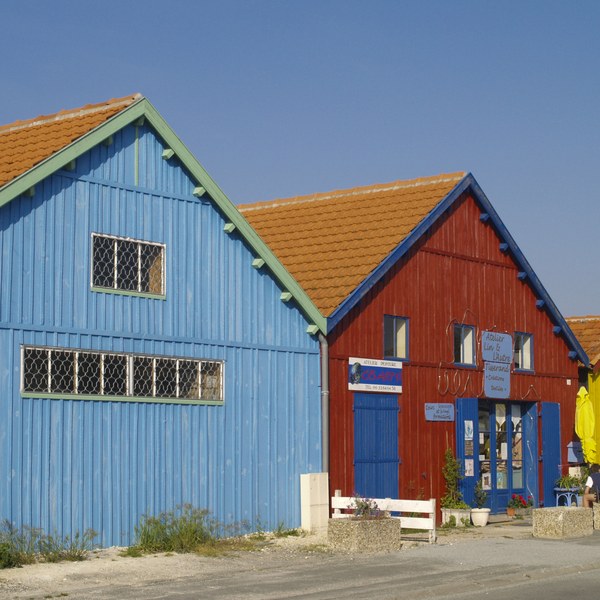
- The coloured huts: in the old oyster huts by the harbour, around 30 artists and craftspeople are open all year.
- The market: Le Château-d'Oléron has a market every day.
La Cotinière – the fishing port
According to the tourist office, La Cotinière in Saint-Pierre-d'Oléron is the largest fishing port in Charente-Maritime. Around 95 boats and 300 fishermen land over 5,000 tonnes a year, of around 90 species.
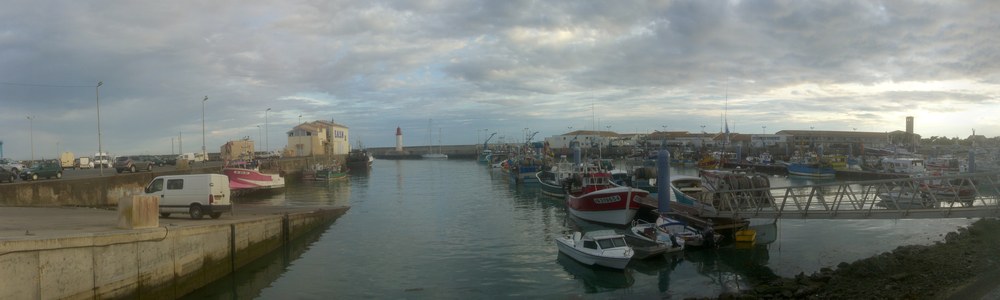
- Marché de Victorine: fish straight from the boats, every day from 3.30pm.
- The fish auction: guided tour of the auction hall (la criée) in the school holidays and in July and August.
Saint-Pierre-d'Oléron
Saint-Pierre-d'Oléron has the most inhabitants of the communes on the island, around 6,600, and pedestrian streets in the middle of the town. The Musée de l'Île d'Oléron is closed for rebuilding and is scheduled to reopen in 2028. The restaurant Sillage is by the Lanterne des morts in the middle of the town, see Eating and sleeping.
Phare de Chassiron – the lighthouse on the northern tip
The first lighthouse on the northern tip came in 1685, in Colbert's time. The present lighthouse was built in 1834 and lit on 1 December 1836. It is 46 metres high and has had its black stripes since 1926.
- Up the lighthouse: 224 steps, and a museum in the rotunda.
- Prices: adults 4.60 euros, children 3 euros and a family pass 13 euros.
- Open: every day, with winter hours from 3 November 2026 and the last ascent at 4.30pm. Closed 25 December and 1 January.
See Phare de Chassiron.
Boyardville and Fort Boyard
Fort Boyard lies out at sea and can be seen from Boyardville. It was designed in 1801–1803, the base came in 1848, and the fort was completed around ten years later – by then it was already obsolete. It is 68 metres long, 32 metres wide and 20 metres high, became a monument historique in 1950 and is known from the TV game show.
- Not open: the fort is not open to the public, and no boats land there.
- From land: you can see the fort from Boyardville in Saint-Georges-d'Oléron.
- From a boat: the boat trips round the fort leave from Boyardville, Saint-Denis-d'Oléron and La Rochelle, among other places.
Saint-Trojan-les-Bains, the forest and the beaches
Saint-Trojan-les-Bains has been a seaside resort since 1898. Around the town lies the state forest of around 2,000 hectares.
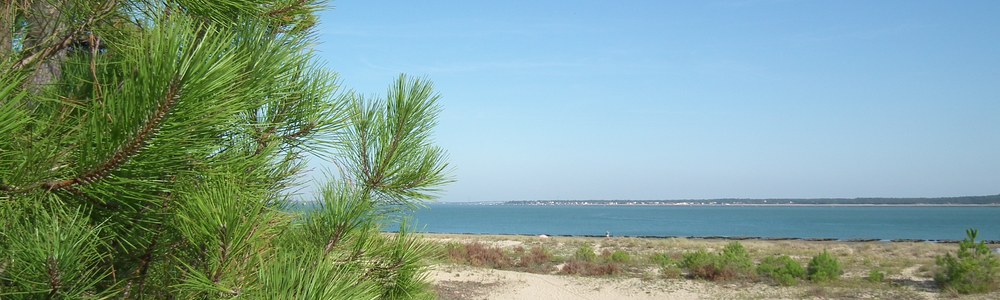
- Petite plage and Plage du Soleil: the beaches by the town.
- Gatseau: the beach faces south, and the train Le P'tit Train de Saint-Trojan goes there.
- Grande plage: 3 kilometres of beach facing the Atlantic.
More beaches along the coast are in The most beautiful beaches in France.
The marshes and the birds
According to the tourist office, around 250 bird species have been seen on the island and in the Marennes basin. The Marais des Bris is the department's marsh area of 37 hectares. Le Marais aux Oiseaux at Dolus-d'Oléron is a bird park in the marshes – check the opening times before you go.
The cycle paths
On Oléron and in the Marennes basin there are almost 160 kilometres of cycle paths. In Royan Atlantique on the mainland there are 270 kilometres of signposted cycle paths, and the Vélodyssée passes through the area. Longer routes are in Bike routes in France.
The oysters from Marennes-Oléron
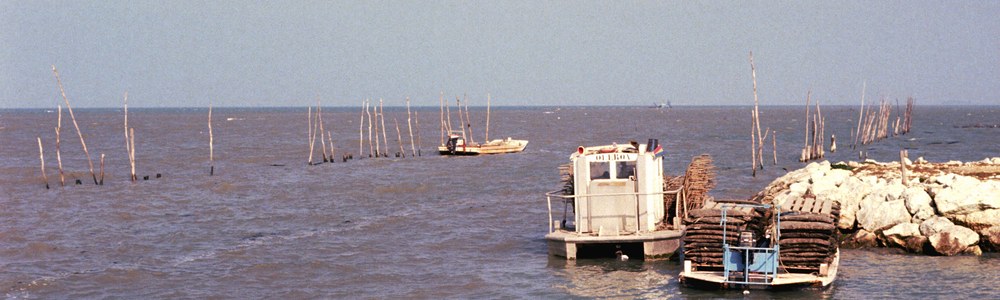
The basin between the island and Marennes has around 6,000 hectares of oyster beds in the sea and around 3,000 hectares of “claires”, the ponds where the oysters are matured. The tourist office calls it the largest oyster basin in Europe, with 45,000–60,000 tonnes a year and around half of France's production.
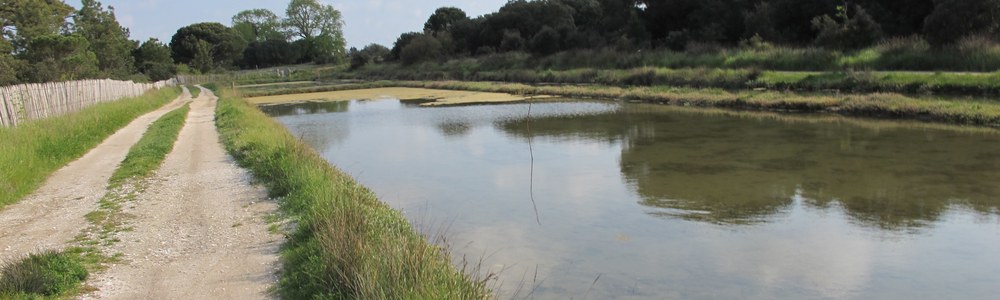
- In claires: the oysters spend one to six months in the ponds. The green colour comes from the alga navicule bleue.
- The categories: fine de claires, spéciale de claires, fine de claires verte Label Rouge and pousse en claires Label Rouge, which grows for four to eight months with two to five oysters per square metre.
- Label Rouge: the tourist office writes that these are the only oysters in France with the Label Rouge. The mark is Label Rouge, not AOC.
- Cité de l'Huître: the oyster museum in Marennes, which older guides mention, is closed.
Brouage – the fortified town in the marshes
Brouage lies on the mainland in the commune of Marennes-Hiers-Brouage, which has around 6,200 inhabitants. Jacques de Pons founded the town in 1555 for the salt trade. Richelieu became governor in 1627, Pierre d'Argencourt built the ramparts from 1628, and Vauban came in 1685. The sea has retreated, and today the town lies inland in the marshes.
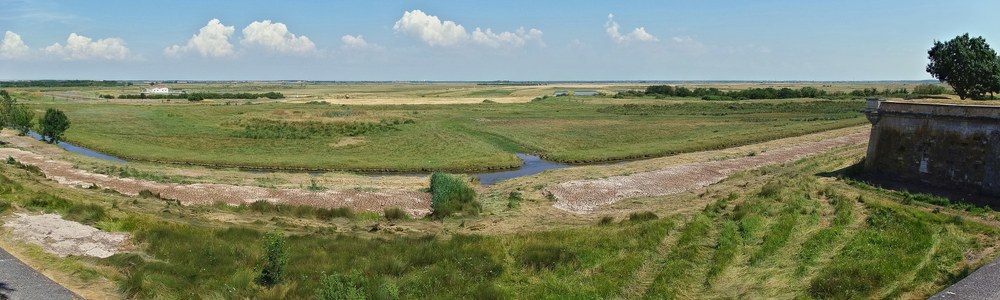
- The ramparts: 2 kilometres, with seven bastions and 19 watchtowers.
- Champlain: Samuel Champlain, the founder of Québec, was born here around 1570. The church from 1608 has a memorial to New France and stained-glass windows by Nicolas Sollogoub, given in 1982–2001.
- Halle aux vivres: the storehouse from 1631, restored in 1994.
- Marie Mancini: was exiled here in 1659.
Brouage is one of Les Plus Beaux Villages de France. See Brouage – Île d'Oléron Marennes Tourisme and Les Plus Beaux Villages de France. More villages are in The most beautiful villages in France.
When should you go?
- June and September: warm, little rain and fewer people than in July and August.
- July–August: the Météo-France station Royan-Médis has an average daily maximum temperature of around 25 degrees, and the fish auction in La Cotinière has guided tours.
- Winter: the citadel and the huts in Le Château-d'Oléron and Phare de Chassiron are open, but Sillage is closed from 24 December to 18 January 2027, and the dates for 2027 have not been published for Manger & Dormir sur la Plage, which had a season of 6 February–31 December in 2026.
The journey to Oléron
- By air: Bordeaux Airport is 144 kilometres and approx. 1 hour and 55 minutes by car from Royan, and Le Château-d'Oléron is approx. 48 minutes further north. The car hire box on this page uses Bordeaux. La Rochelle has no routes from the Nordic countries.
- From the Nordic countries: Norwegian flies to Bordeaux from Oslo and Copenhagen in the summer 2026 programme, and SAS from Copenhagen from 15 May 2026. No route has been found from Stockholm.
- By train: Royan is the end of the line. From Paris the journey takes 3 hours and 30 minutes to 4 hours and 30 minutes, with the TGV to Angoulême or Saintes and the TER train onwards.
- By bus: there is no direct line Royan–Oléron. The regional buses are line 153 (Royan–Rochefort–La Rochelle, with a change), 154 (Saint-Denis-d'Oléron–Saint-Pierre–Rochefort–Surgères), 155 (Saint-Denis–La Rochelle, April–September) and 171 (Saintes–Marennes).
- By boat: in summer a fast boat runs from La Rochelle to Boyardville and Saint-Denis-d'Oléron in approx. 50 minutes.
The airport city is in the travel guide to Bordeaux, and La Rochelle, where the boat leaves from, in the travel guide to La Rochelle. See also Bordeaux Aéroport.
Eating and sleeping on Oléron and near Marennes
The Michelin Guide has no starred restaurants in the area around Royan, but two restaurants on the island have a Bib Gourmand. Sillage is in ruelle de la Lanterne in the middle of Saint-Pierre-d'Oléron. Gabriele Ferri from Piedmont does the cooking, with fish from French fishermen and Italian touches, and Marie-Nolwenn Ferri runs the dining room and the wine list. The set menus cost 34 euros (two courses, lunch Tuesday–Friday), 44, 54 and 62 euros. Sillage is open on Tuesday and Wednesday for lunch and Thursday–Saturday for lunch and dinner, and is closed from the evening of 24 December to 18 January 2027.
Le Relais des Salines at Port des Salines in Le Grand-Village-Plage, also with a Bib Gourmand, is a seafood bistro in an old oyster hut, with a terrace over the marshes. The Michelin Guide links Arnaud and Nelly Giron to the restaurant. The restaurant has no website of its own, and the opening hours after 30 November 2026 have not been published, so phone before you go (tel. 05 46 75 82 42). La Table du Grand Large in Dolus-d'Oléron is recommended in the Michelin Guide.
On the mainland, by the beach in Marennes, is Manger & Dormir sur la Plage, which calls itself “La Plage”. It is recommended in the Michelin Guide and owned by the oyster family Gillardeau, and Mickaël Gallass is in the kitchen. The menu with starter, main course and dessert costs 42 euros, and tables can only be booked by phone. The house has four rooms with a balcony or terrace facing the sea and is open Wednesday–Sunday. The 2026 season ran 6 February–31 December (closed 25 December), and the dates for 2027 have not been published.
The hotels in the travel guide to Royan are approx. 48 minutes from Le Château-d'Oléron. Near Marennes are the five-star Séquoia Parc in Saint-Just-Luzac and the four-star La Pignade in Ronce-les-Bains. More sites are in Camping in France.
Onward from Oléron
Notre-Dame, the Marché central, the beaches and the hotels are in the travel guide to Royan. The lighthouse out in the Gironde, the zoo at La Palmyre and the villages along the Gironde are in The Cordouan lighthouse and La Palmyre. Inland lies Cognac.
4 days on Île d'Oléron
Each day stands on its own, with Royan as a base. Several restaurants take a winter break – check the opening times before you go.
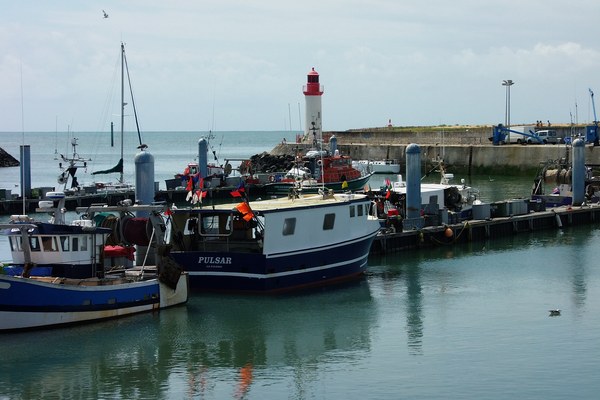
Saint-Pierre and La Cotinière
Have lunch at Sillage in Saint-Pierre-d'Oléron from Tuesday to Saturday, walk through the pedestrian streets and drive to La Cotinière, where the fish from the boats is sold at the marché de Victorine from 3.30pm.
- Sillage: Bib Gourmand
- Marché de Victorine: every day from 3.30pm
- La Cotinière: approx. 1 hour and 3 minutes from Royan
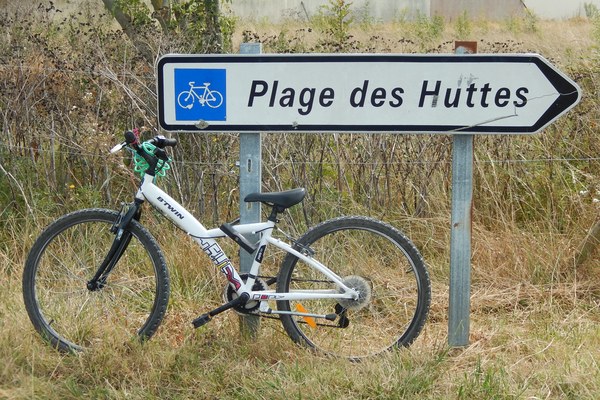
Cycling to Chassiron
Cycle the cycle paths in the north of the island at Saint-Denis-d'Oléron, and climb the 224 steps up Phare de Chassiron on the northern tip.
- Cycle paths: almost 160 kilometres
- Chassiron: adults 4.60 euros
- Chassiron: approx. 1 hour and 20 minutes from Royan by car
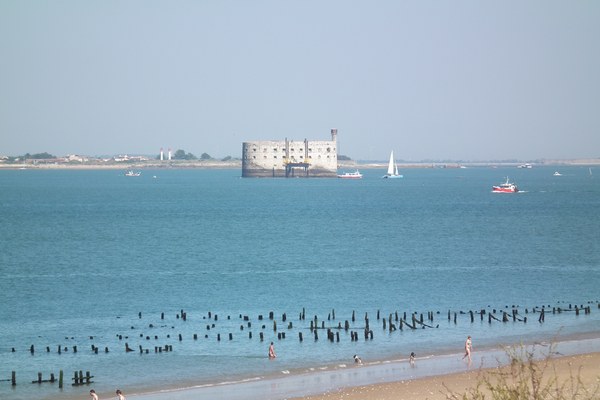
Brouage, Le Château and Boyardville
Walk along the ramparts in Brouage, drive over the bridge to the citadel and the coloured huts in Le Château-d'Oléron, and see Fort Boyard from Boyardville. Have dinner at Manger & Dormir sur la Plage in Marennes on the way back, Wednesday to Sunday.
- Brouage: approx. 42 minutes from Royan
- The citadel: free admission all year
- Fort Boyard: not open to the public
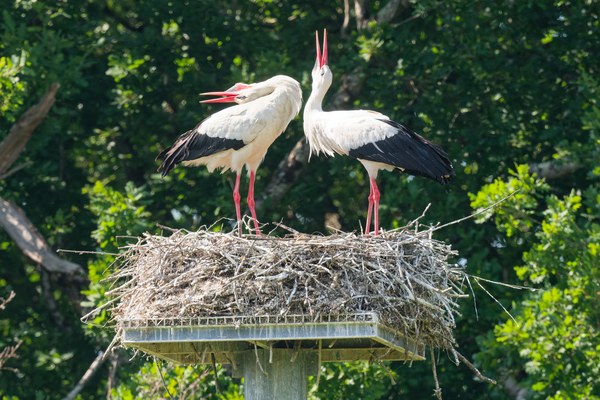
The marshes and Saint-Trojan
See the birds in Le Marais aux Oiseaux at Dolus-d'Oléron, take Le P'tit Train de Saint-Trojan to Gatseau or walk to Grande plage, and eat seafood at Le Relais des Salines at Port des Salines – phone first.
- Le Marais aux Oiseaux: check the opening times
- Grande plage: 3 kilometres
- Le Relais des Salines: Bib Gourmand