
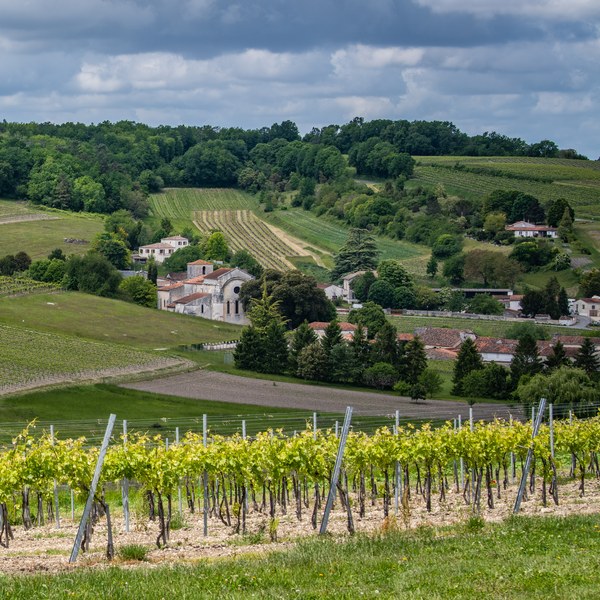
The most important thing first: from the old town in Cognac you can walk to Hennessy and Martell and to Château de Cognac, where Baron Otard ages cognac. Courvoisier is in Jarnac, approx. 15 minutes by car. In winter Château de Cognac is open every day, and Hennessy is open all year, but the boat across the Charente only runs from April to November. The prices and times in this guide are from the sources in November 2026.
Before you go – car, train and season
- By car: from Cognac it is approx. 7 minutes to Rémy Martin in Merpins, approx. 12 minutes to Bourg-Charente, approx. 15 minutes to Jarnac, approx. 20 minutes to Segonzac and approx. 25 minutes to Bouteville.
- Without a car: Hennessy, Martell, Rémy Martin, Camus and Château de Cognac are less than a kilometre from the old town. The station is 1.3 kilometres from the centre, and Vélo Modalis hires out e-bikes at the station and on quai Hennessy, among other places.
- Booking: the tours and seasons at the houses change. Check the times and prices with the house or the tourist office before you go.
- Winter 2026/27: Château de Cognac is open every day 1 November–30 April, except 25 December and 1 January. Courvoisier only has “Prestige” until 3 April 2027, and the Rémy Martin train in Merpins runs from 13 April 2027.
The rules – from 1909 to 2026
According to the joint organisation BNIC, the spirit took the name of the river port of Cognac early in the 19th century. The rules for cognac came step by step:
- 1909: the area was delimited on 1 May 1909.
- 1936: the AOC rules for cognac came on 15 May 1936.
- 1938: the crus were laid down on 13 January 1938.
- 1975: it became forbidden to sell cognac aged for less than two years.
- 2026: new production rules (cahier des charges) were approved on 10 June 2026.
Around 97.5 per cent of cognac is exported, to around 139 countries. The largest markets are North America and the Far East. See Cognac.fr, the official BNIC site about the appellation.
Six crus
The vineyards for cognac cover around 87,600 hectares according to the BNIC, divided into six crus. The division builds on the work of the geologist Henri Coquand around 1860. The areas are those of the tourist office:
- Grande Champagne: around 13,200 hectares.
- Petite Champagne: around 15,200 hectares.
- Borderies: around 4,000 hectares.
- Fins Bois: around 31,200 hectares – the largest cru.
- Bons Bois: around 9,300 hectares.
- Bois ordinaires (Bois à terroirs): less than 1,000 hectares.
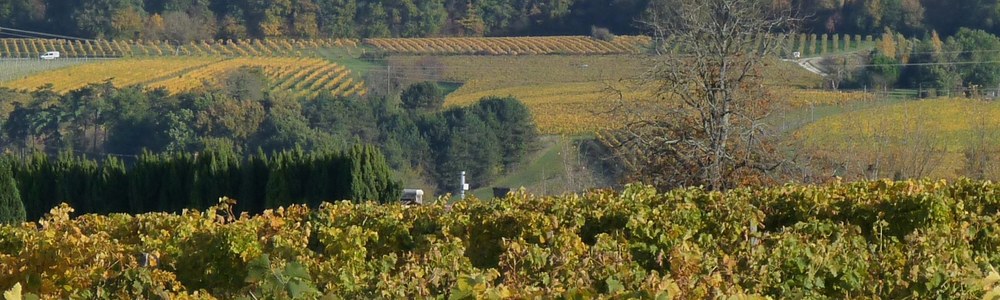
Fine Champagne is a blend of Grande and Petite Champagne, with at least 50 per cent Grande Champagne.
The grapes
- Ugni blanc: over 98 per cent of the vineyards.
- The others: colombard, folle blanche, montils, sémillon and folignan.
- The wine: around 9 per cent alcohol, without added sugar or sulphite during fermentation.
- The harvest: from mid-September to mid-October.
Double distillation in the copper still
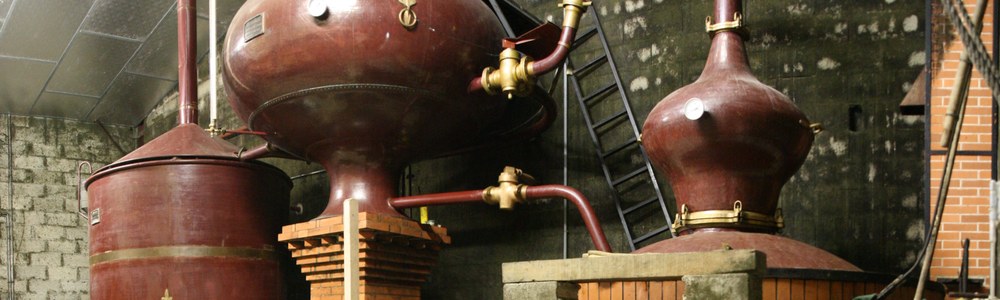
The wine is distilled twice (“à repasse”) in the alambic charentais, a copper still over an open flame. The distillation must be finished by 31 March at the latest in the year after the harvest – not all year and not into April.
Oak, the angels' share and the black fungus
The spirit is aged for at least two years without interruption, only in oak casks. The rules require oak, not a particular forest: Limousin and Tronçais are common choices, but not requirements.
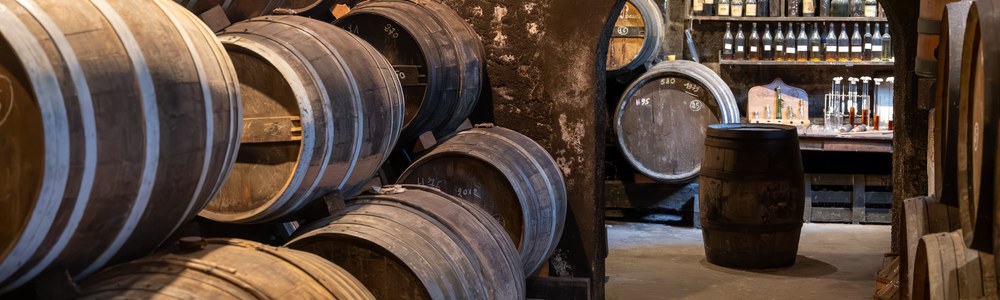
- The angels' share: “la part des anges” is what evaporates through the casks. In a dry cellar the spirit becomes drier, and in a damp cellar with 90–100 per cent humidity it becomes softer.
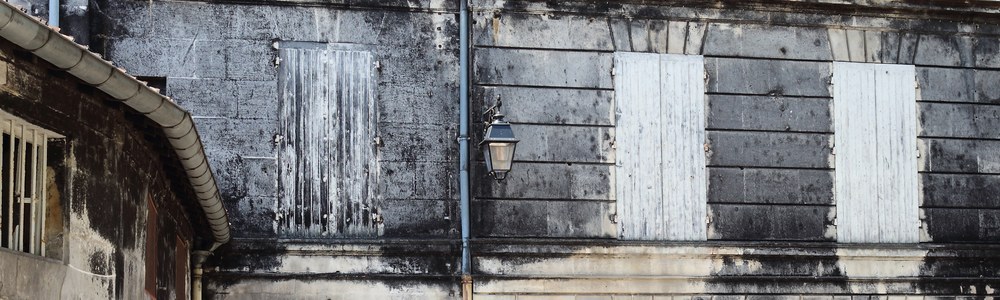
- The black fungus: the black façades of the cellars come from a fungus that lives on the alcohol vapour.
- Rancio and “paradis”: after long ageing the cognac develops what is called “rancio”. Finished spirit is moved into large glass demijohns, dames-jeannes, in the cellar called “paradis”.
VS, VSOP and XO
The age on the bottle applies to the youngest cognac in the blend, and cognac must have at least 40 per cent alcohol.
- VS or “3 étoiles”: at least 2 years in oak.
- VSOP or “Réserve”: at least 4 years.
- Napoléon or “Très Vieille Réserve”: at least 6 years.
- XO or “Hors d'âge”: at least 10 years – not 6 years, as older guides say.
- XXO: at least 14 years.
The houses in Cognac
The big houses lie along the Charente and in the streets right by the old town. The tourist office has an overview of the houses, distilleries and wine estates that welcome visitors.
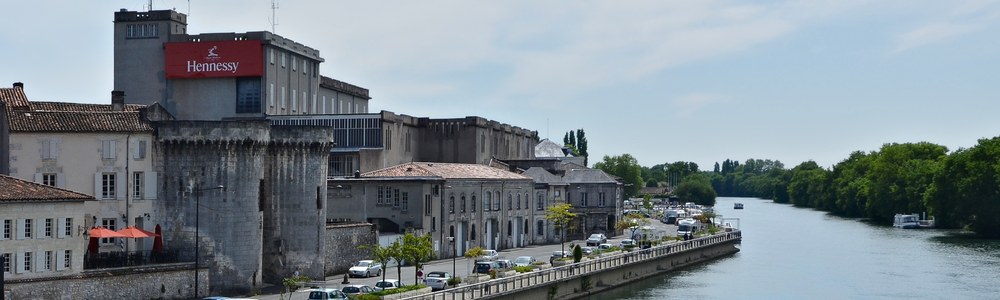
- Hennessy (quai Richard-Hennessy): the tourist office writes of 260 years of history. The house is open all year. From April to November the visit begins with a boat trip across the Charente; the rest of the year you are driven across. The visit includes the Chai des Pavillons and the VR film “Mobilis” (20 minutes), and the tasting committee has met at 11 a.m. every day since 1920. “Initiation” costs 25 euros, “Initiation Immersive” 35 euros, “Prestige” 60 euros and “Destination Tonnellerie” 170 euros.
- Martell (16 avenue Paul-Firino-Martell): founded in 1715 by Jean Martell from Jersey, and according to the tourist office the oldest of the big houses. Cordon Bleu came in 1912. “Découverte” costs from 25 euros, and “Signature Martell par Alexandre Mazzia” from 500 euros. The shop is open Tuesday–Saturday 3 November–31 December 2026, and the Fondation d'entreprise Martell has free exhibitions until 3 January 2027.
- Rémy Martin: founded in 1724, and since 1948 only with grapes from Grande and Petite Champagne – Fine Champagne. LOUIS XIII dates from 1874. The “Visite Anniversaire” at the house in the centre costs from 35 euros (2 January–24 December 2026). The train tour in Merpins runs 13 April–2 October 2027, and the cycling tour in Grande Champagne costs from 60 euros.
- Camus (21 rue de Cagouillet): founded in 1863, family-owned for five generations, with 190 hectares in the Borderies. The tourist office writes that the tours were not offered in 2025, and it is uncertain what applies in 2026 and 2027 – check before visiting. A Master Blender workshop is still listed.
- Smaller houses: the tourist office list also includes Meukow, Delamain and Thomas Hine, among others. Check what each house offers.
Château de Cognac – Baron Otard
Francis I was born in Cognac on 12 September 1494, according to tradition at the château. The castle dates from the 10th century and is first mentioned in writing in 1016. Francis I built the façade facing the river in 1517, with the “king's balcony”. The château was sold as national property in 1795, the same year as Baron Otard founded the cognac house and bought it. The house also makes D'USSÉ.
- Open in winter: every day 1 November 2026–30 April 2027, 10 a.m.–12 noon and 1.45–5.45 p.m. Closed 25 December and 1 January.
- Prices: “Au cœur du Château” 25 euros, “L'Atelier de François Ier” 35 euros, “Secrets des Chais” 75 euros and “Saveurs royales” 300 euros. Free under 12. The visit takes approx. 75 minutes.
- Languages: guided tours in French or English, and an audio guide in 27 languages.
- Parking: the château recommends quai Maurice-Hennessy (200 metres) and the Marc-Marchadier car park (100 metres, with charging points).
Courvoisier in Jarnac
Courvoisier was founded in Jarnac in 1828 by Félix Courvoisier. The Curlier nephews took over in 1866, and the British Simon family in 1909. The house was a supplier to the court of Napoleon III, and the Napoleon silhouette was adopted as a logo at the end of the 19th century as a tribute. The story of Napoleon I and Courvoisier has no official source.
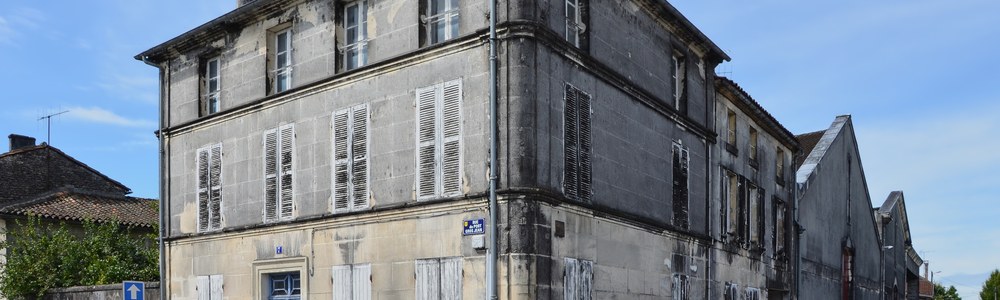
- Visits: “Découverte” from 20 euros 3 April–30 October 2027. In winter there is only “Prestige” at 200 euros.
- From Cognac: 14 kilometres and approx. 15 minutes by car, or by the TER train towards Angoulême.
See courvoisier.com. The Mitterrand house and the rest of Jarnac are in Angoulême and the Charente valley.
Grande Champagne – Segonzac and Bouteville
The tourist office calls Segonzac the “capitale du 1er cru”. The church of Saint-Pierre has a tower section from the 10th–11th centuries, and the town has a large Protestant temple from 1864–69. The seasonal tourist office and the Maison de la Grande Champagne share opening times and a shop, with ticket sales in July and August.
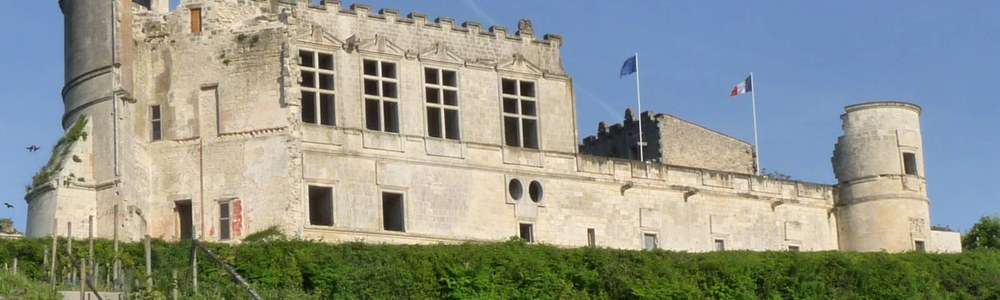
- Château de Bouteville: the castle from before the year 1000 guarded the Roman road between Saintes and Périgueux. Grand Cognac restored it for almost 5 million euros, and today you can see five rooms in the east wing and the view over Grande Champagne. Check the opening times before you go.
- By bicycle: the Rémy Martin cycling tour in Grande Champagne starts in Juillac-le-Coq and costs from 60 euros.
- From Cognac: approx. 20 minutes to Segonzac and approx. 25 minutes to Bouteville by car.
The BNIC site for wine tourism is Explore Cognac.
Pineau des Charentes
Pineau is not a cooked wine. It is grape must with added cognac: three quarters must and one quarter cognac that is at least one year old and comes from the same estate. The blending is called “mutage”, and pineau has been an AOC since 1945.
- White: at least 18 months, 12 of them in oak.
- Rosé and red: rosé at least 8 months (6 in oak), red at least 12 months (8 in oak).
- Older pineau: “Vieux” is at least 7 years, “Très Vieux” at least 12 years.
- With food: pineau with foie gras and with cheese is a local combination.
The M'CO museum
What used to be the Musée des arts du Cognac is now called the Musée des savoir-faire du cognac (M'CO). The museum is in Les Remparts on place de la Salle-Verte by the Charente and has 2,000 square metres about the vineyard, the distillation and the crafts of the cooper, the glassmaker and packaging. A VR experience for everyone aged 13 and over is included in the ticket.
- Open: January–June and September–December Tuesday–Sunday 2–6 p.m., July–August every day 10.30 a.m.–6.30 p.m. Closed 1 January, 1 May, 1 November and 25 December.
- Prices: 6 euros for one museum and 9 euros for both the M'CO and the Maison du négociant – Musée d'art et d'histoire in the Jardin public (valid for one month). Ages 13–25 pay 3 and 4.50 euros, and it is free up to and including 12 years and on the first Sunday of the month.
See Les Distillateurs culturels – Musée des savoir-faire du cognac.
When should you go?
- May–June and September: the houses, the boats and the museums are open, and Flow Vélo follows the Charente.
- July–August: all the tours, Cognac Blues Passions 30 June–3 July 2027 and the Fête du Cognac in the parc François-Ier 21–24 July 2027, from 26 euros.
- Autumn: the harvest from mid-September to mid-October.
- Winter: the distillation runs after the harvest and must be finished by 31 March. Château de Cognac, Hennessy, the Rémy Martin house in the centre and the museums are open, but Les Foudres has a season of 7 February–27 December.
The journey to Cognac
- By air: Bordeaux Airport is 135 kilometres and approx. 1 hour and 49 minutes by car from Cognac. The car hire box on this page uses Bordeaux. Angoulême-Cognac Airport has no scheduled flights, and La Rochelle has no routes from the Nordic countries.
- From the Nordic countries: Norwegian flies to Bordeaux from Oslo and Copenhagen in the summer 2026 programme, and SAS from Copenhagen from 15 May 2026. No route has been found from Stockholm.
- By train: the TGV runs from Paris, Lille and Bordeaux to Angoulême, also directly from Paris-CDG. From there the TER train runs Angoulême–Châteauneuf–Jarnac–Cognac–Saintes–Royan.
- By car: the A10 with the Saintes or Pons exit, or the N10 via Angoulême. The tourist office gives 120 kilometres from Cognac to Bordeaux and 95 kilometres to La Rochelle.
The airport city is in the travel guide to Bordeaux. See also Bordeaux Aéroport.
Eating and sleeping among the houses
The Michelin Guide gives one star to three restaurants in the area. Les Foudres at the Hôtel Chais Monnet is in the old “salle des foudres”, with hundred-year-old giant casks for ageing cognac, and has had a star since 2021. According to the hotel website, Frode Torset heads the kitchen, with a background in gastronomic kitchens in Norway. The tourist office still gives another chef, so check before you book. The set menus cost 80, 110 and 160 euros, and Les Foudres is open Wednesday–Sunday for dinner, 7 February–27 December. Notes at La Nauve has Anthony Carballo in the kitchen and the menus “La Nouvelle” in five courses (95 euros) and “Le Récit” in seven courses (135 euros), partly from its own kitchen garden and with, among other things, a pineau sabayon. Notes is open Wednesday–Friday for dinner, on Saturday for lunch and dinner and on Sunday for lunch, and is closed 23 November–3 December 2026.
La Ribaudière in Bourg-Charente is by the Charente opposite the château where Grand Marnier is distilled. Thierry and Julien Verrat, father and son, are in charge of the food, including chicken liver mousse with XO cognac. The bistro in the same building, La Table du Fleuve, has a Bib Gourmand in the Michelin Guide. Both are open Wednesday–Saturday for lunch and dinner and on Sunday for lunch. Le Coude à Coude in Jarnac-Champagne, approx. 26 minutes south of Cognac, also has a Bib Gourmand.
Cognac has two five-star hotels: Hôtel Chais Monnet & Spa, with 104 rooms in old cognac cellars, and La Nauve Hôtel & Jardin, a 19th-century town house with 12 rooms in a large garden. The four-star Hôtel François Premier is on the Place François-Ier and is open all year. There are no classified hotels in Bourg-Charente or Segonzac. The three-star Camping de Cognac is by the Charente on the edge of the town (1 May–30 September), and the two-star Camping de Bourg-Charente was open 3 April–29 November 2026. More sites are in Camping in France.
Onward from the houses
The old town, the Porte Saint-Jacques, the Jardin public and the museums are in the travel guide to Cognac. Angoulême, the abbey in Bassac, the gabarres of Saint-Simon and the Mitterrand house are in Angoulême and the Charente valley. Towards the coast lies La Rochelle, and the wine châteaux are in the travel guide to Saint-Émilion, approx. 1 hour and 47 minutes by car from Cognac, and the travel guide to Bergerac.
4 days among the cognac houses
Each day stands on its own, with Cognac as a base. What the houses offer changes with the season – check the times and prices before you go.
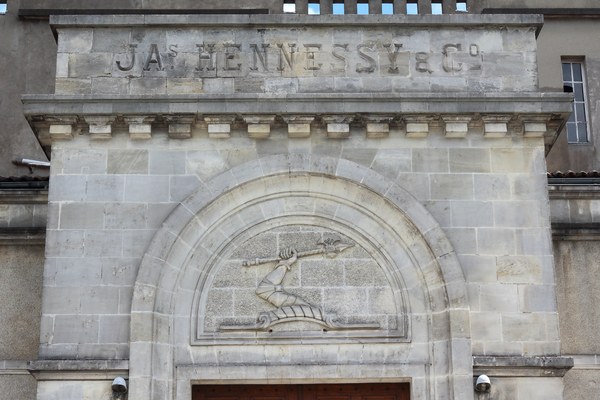
Hennessy, Martell and M'CO
Take the boat across the Charente to Hennessy, walk on to Martell and see the M'CO museum on place de la Salle-Verte. Have dinner at Les Foudres from Wednesday to Sunday.
- Hennessy: “Initiation” 25 euros
- The boat: April–November
- M'CO: 6 euros, free up to and including 12 years
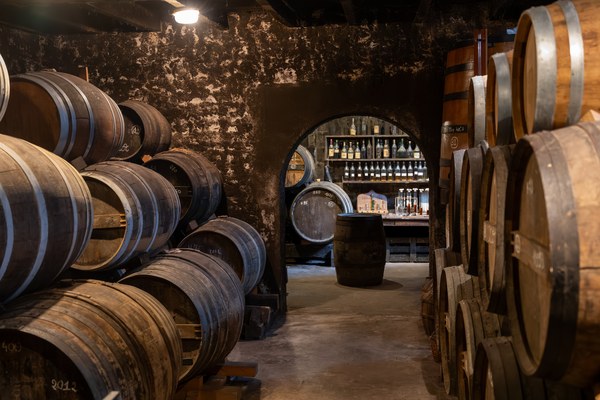
Grande Champagne and Bouteville
Cycle with Rémy Martin through Grande Champagne from Juillac-le-Coq, or drive straight to Château de Bouteville for the view. Have lunch at Le Coude à Coude from Tuesday to Saturday.
- Cycling tour: from 60 euros
- Bouteville: approx. 25 minutes from Cognac
- Le Coude à Coude: Bib Gourmand
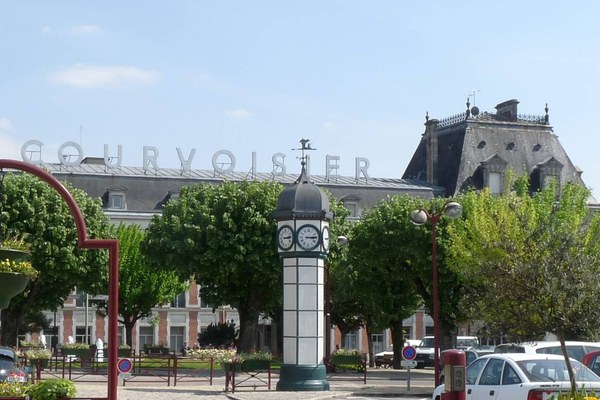
Jarnac and Bourg-Charente
Visit Courvoisier on the Place du Château in Jarnac and drive back along the Charente to Bourg-Charente. Have dinner at La Ribaudière or in the bistro La Table du Fleuve.
- Courvoisier: “Découverte” from 3 April 2027
- Jarnac: approx. 15 minutes from Cognac
- La Ribaudière: one Michelin star
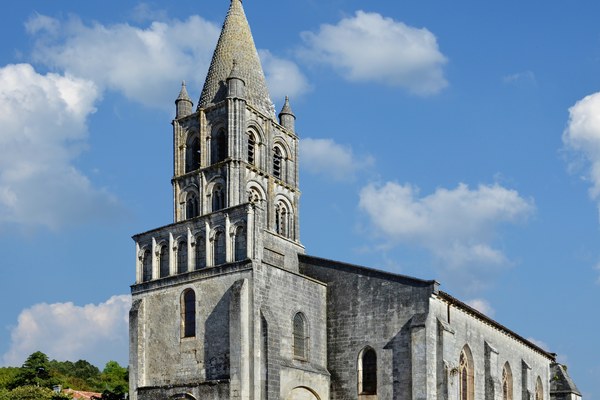
Château de Cognac and Segonzac
See Château de Cognac and the Baron Otard cellars in the morning, and drive to Segonzac and the Maison de la Grande Champagne in the afternoon. Taste pineau with the food at Notes in the evening.
- Château de Cognac: “Au cœur du Château” 25 euros
- Segonzac: approx. 20 minutes from Cognac
- Notes: closed 23 November–3 December 2026